
Plant & Horticulture
Best Plants for Melbourne's Eastern Suburbs (Low Maintenance Options)
After 27 years managing gardens from Camberwell to Canterbury, these are the plants I recommend most, reliable performers that suit our local soils, climate, and conditions.
What Actually Grows Well in the Eastern Suburbs?
Melbourne's eastern suburbs offer some of the best growing conditions in the city, deep soils, established tree canopy, reliable rainfall, and a temperate climate that suits an unusually wide range of plants. In 27 years of managing gardens from Camberwell to Canterbury, I've learned that the plants which truly thrive here aren't necessarily the ones featured in glossy magazines. They're the ones that suit our specific soils, microclimates, and conditions.
The eastern suburbs aren't uniform, though. The heavy clay pockets near Gardiners Creek in Glen Iris behave very differently from the better-drained slopes of Canterbury. A garden in full sun in Balwyn North faces different challenges than a shaded property under mature elms in Hawthorn. The recommendations below reflect what I've seen perform consistently across these varied conditions, with notes on where each plant does its best work.
Which Australian Natives Perform Best Here?
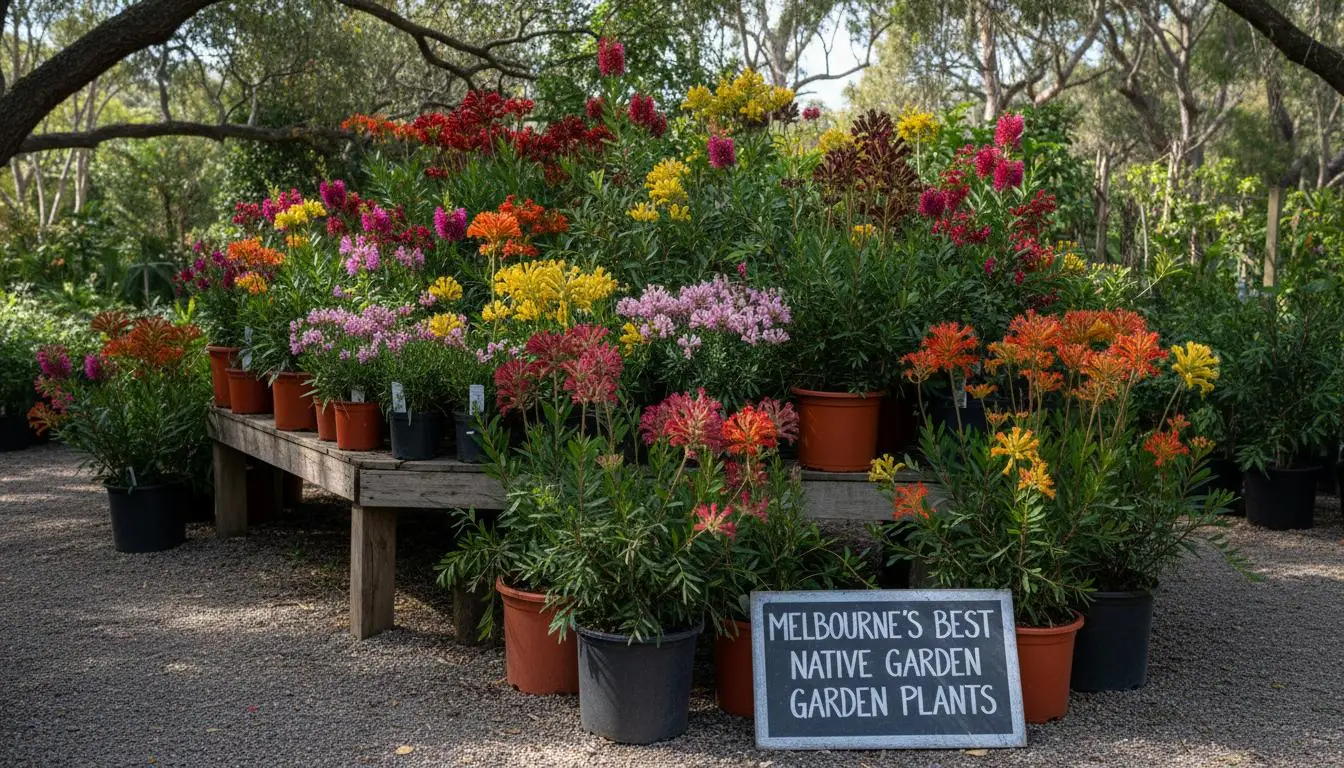
Natives have earned their place in eastern suburbs gardens, but not all natives suit these conditions. The ones I recommend most are species that handle our clay soils, tolerate summer dry and winter wet, and look genuinely good in a garden setting, not just in a bushland context.
Correa is one of my favourites for this area. The bell-shaped flowers appear through autumn and winter when most gardens are quiet, and the compact forms suit borders and foundation planting. Correa 'Dusky Bells' and Correa alba both handle the clay soils through Camberwell and Glen Iris without complaint.
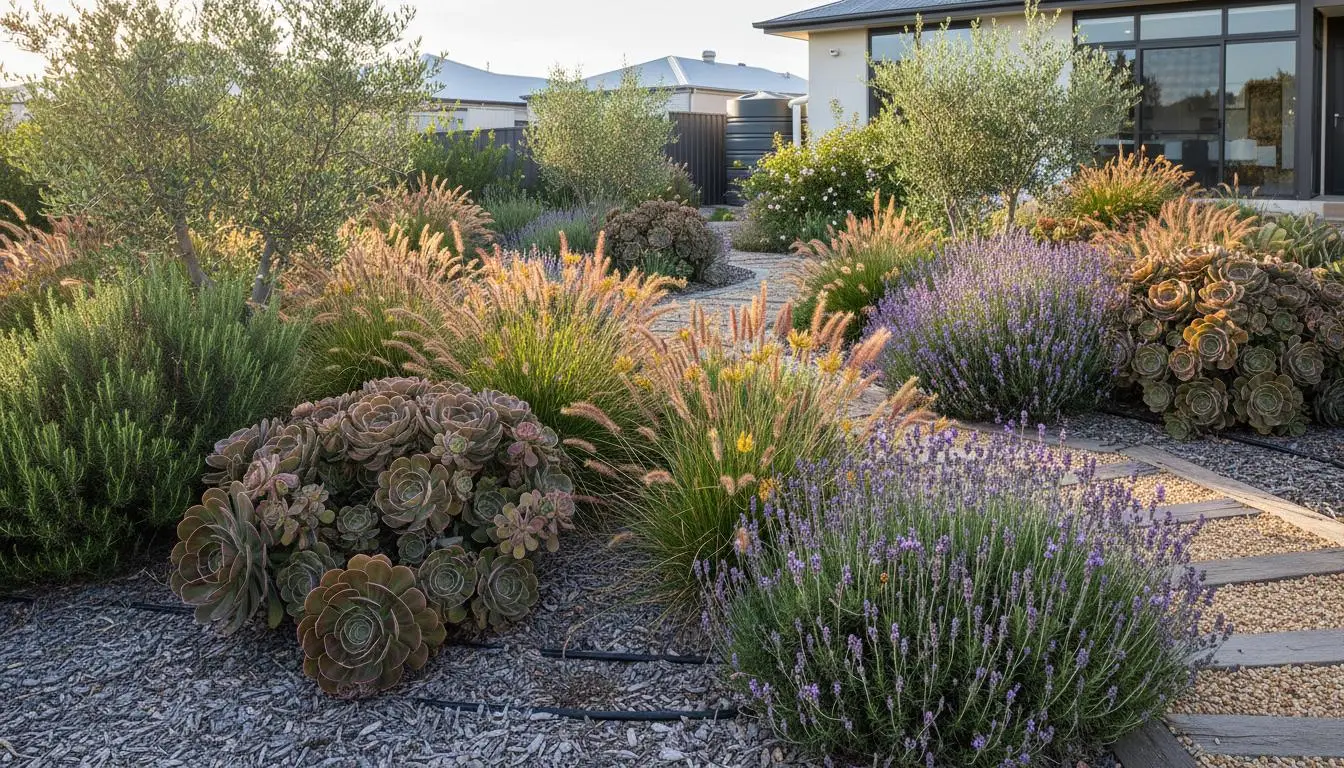
Westringia fruticosa is as close to a foolproof plant as exists in Melbourne. It clips into beautiful informal hedges, tolerates drought once established, and flowers intermittently through the year. It's also one of our top picks for drought-tolerant gardens. I've used it extensively across gardens in Surrey Hills and Kew where clients want native hedging that doesn't demand constant attention.
Grevillea in its shrub forms, particularly 'Superb' and the Grevillea lanigera cultivars, provides year-round flowers and bird activity. They need reasonable drainage, so I tend to use them more on the better-drained soils through Canterbury than in the heavier clay areas.
Lilly Pilly (Syzygium smithii) remains excellent for hedging, though variety selection matters enormously. The psyllid-resistant cultivars like 'Resilience' and 'Sublime' are essential, older varieties can become heavily damaged and disfigured by psyllid attack. I always specify resistant cultivars now and haven't looked back.
What Are the Most Reliable Flowering Plants?
These are the plants I find myself recommending most often because they deliver reliably, year after year, without demanding excessive maintenance.
Camellias are arguably the single best plant for Melbourne's eastern suburbs. Sasanqua varieties flower through autumn, japonicas through winter and spring, and both are long-lived, shade-tolerant, and well-suited to our soils. A mature camellia in a Hawthorn garden I've managed for years produces hundreds of blooms every season and asks for almost nothing in return, alight prune after flowering and a mulch top-up. That's the kind of return on investment I appreciate in a plant.
Hydrangeas love the conditions through much of the eastern suburbs. They prefer morning sun with afternoon shade, exactly what many of our established gardens provide under mature trees. The colour shift between blue and pink depending on soil pH fascinates clients. In the more acidic soils you'll get blues; add lime and they'll shift toward pink. Macrophylla varieties perform best here.
Roses remain a staple for good reason, though I always recommend disease-resistant varieties for lower maintenance. 'Iceberg' is still one of the most reliable floribundas for Melbourne. Among hybrid teas, modern bred-for-resilience varieties outperform the old favourites that needed constant spraying. The Rose Society of Victoria recommends pruning in June to July for these varieties, and in my experience that timing is spot-on for the eastern suburbs.
Salvias deserve more credit than they receive. Salvia leucantha and the perennial forms flower for months, tolerate dry conditions once established, and attract an extraordinary number of bees and butterflies. They're one of the best value plants I know for extending the flowering season into autumn.
Which Foliage Plants Provide Year-Round Structure?
Flowers come and go, but foliage is what gives a garden its character for twelve months of the year. These plants provide structure, texture, and visual weight regardless of season.
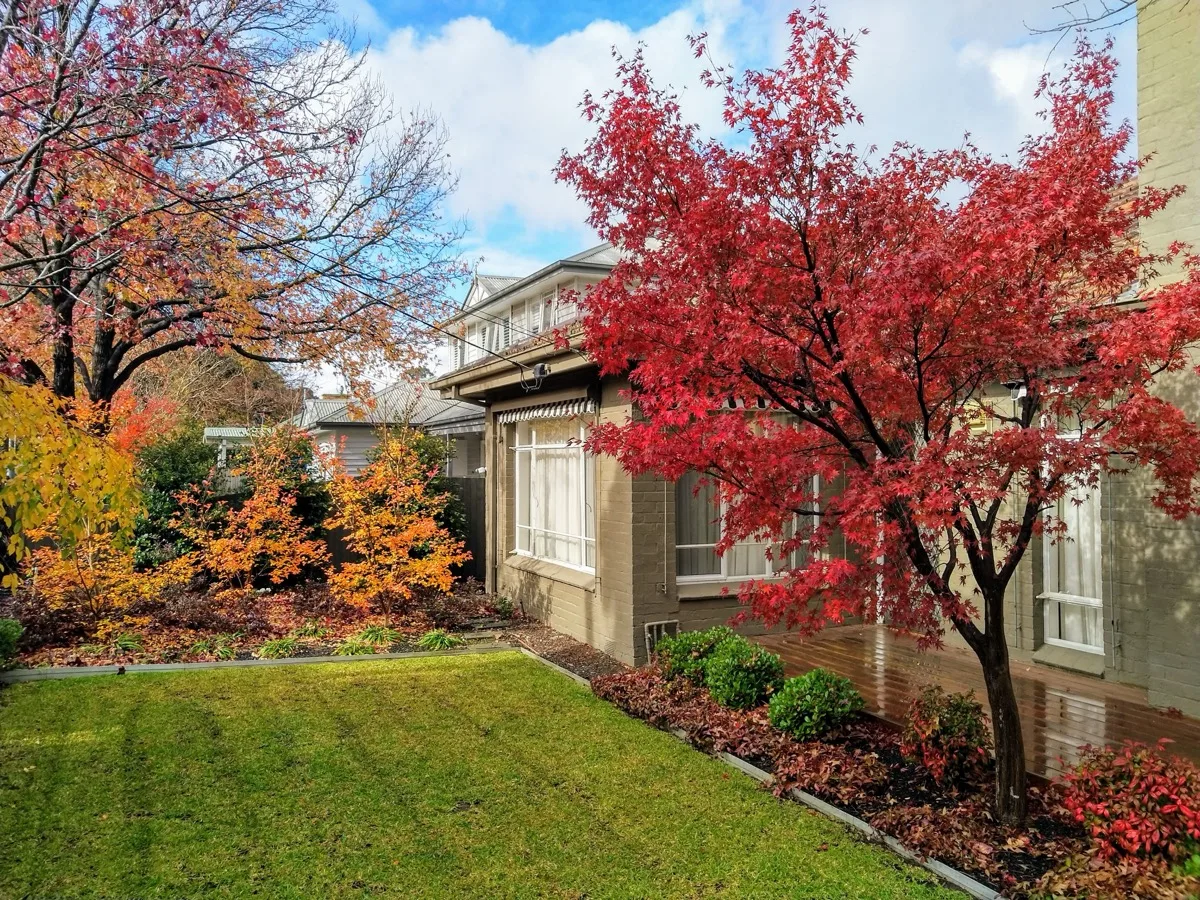
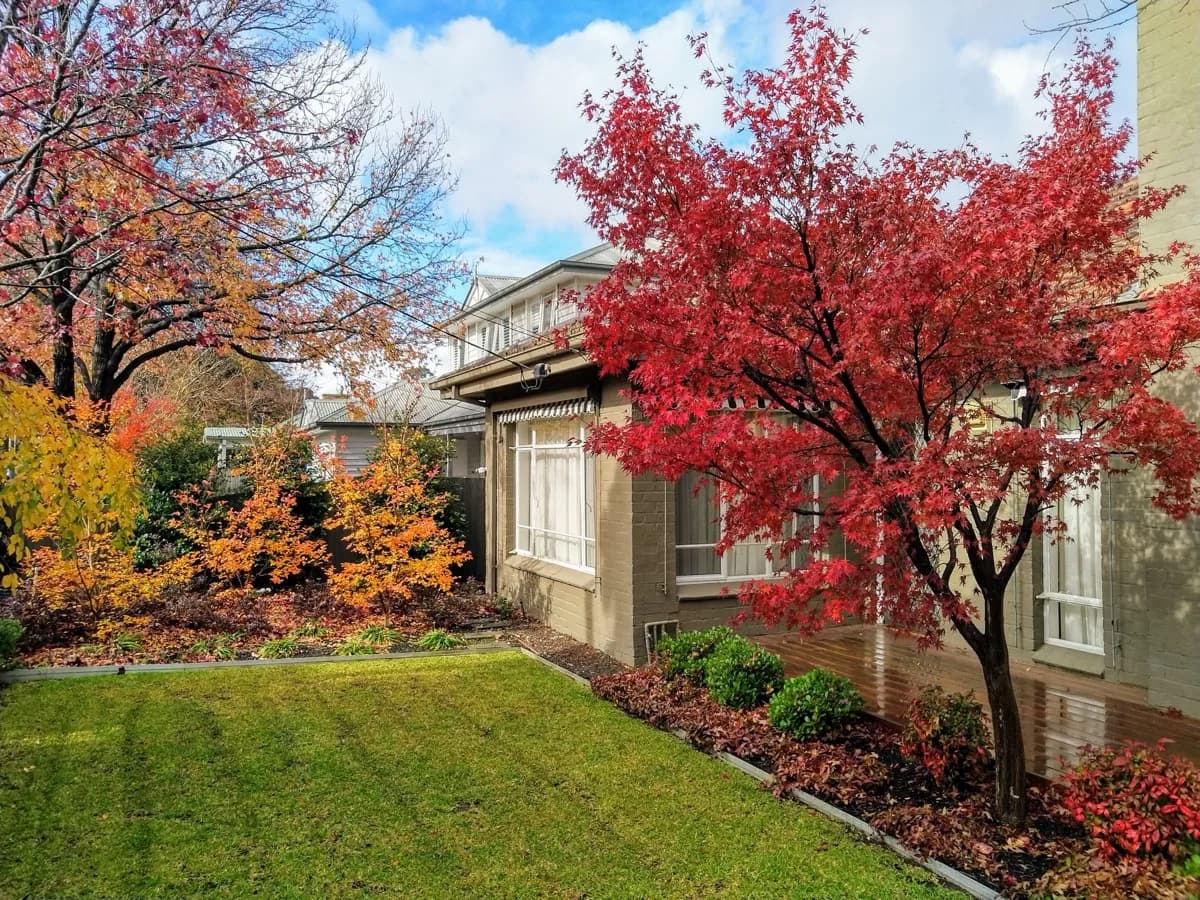
Japanese Maples (Acer palmatum) are perfectly suited to the eastern suburbs. The dappled shade under taller trees, the moist-but-drained soils, and our cool autumn nights combine to produce spectacular autumn colour. I've seen Japanese maples in Camberwell and Canterbury that have been growing for decades, developing the kind of graceful, layered form that no amount of money can fast-track. They just need time, appropriate placement in part shade, and the occasional selective prune to remove crossing branches.
Magnolias have become increasingly popular, and the smaller evergreen varieties suit suburban gardens well. 'Little Gem' and 'Teddy Bear' both provide glossy evergreen foliage, fragrant summer flowers, and a manageable size. They perform well across the eastern suburbs, though they need room, and I wouldn't plant one less than two metres from a fence or boundary.
Conifers provide structure that nothing else replicates. Carefully placed, they anchor a garden visually and provide year-round form. I use them most in formal and semi-formal gardens through Hawthorn and Canterbury, where their architectural quality suits the aesthetic. Cupressus sempervirens 'Glauca' is particularly effective as a vertical accent.
New Zealand Flax (Phormium) has fallen in and out of fashion, but in the right position it remains an excellent architectural plant. The bronze and variegated forms add drama to contemporary plantings, and they're remarkably drought-tolerant once established. I use them sparingly, one well-placed phormium makes a statement; five looks like a resort.
What Are the Best Hedging Options?
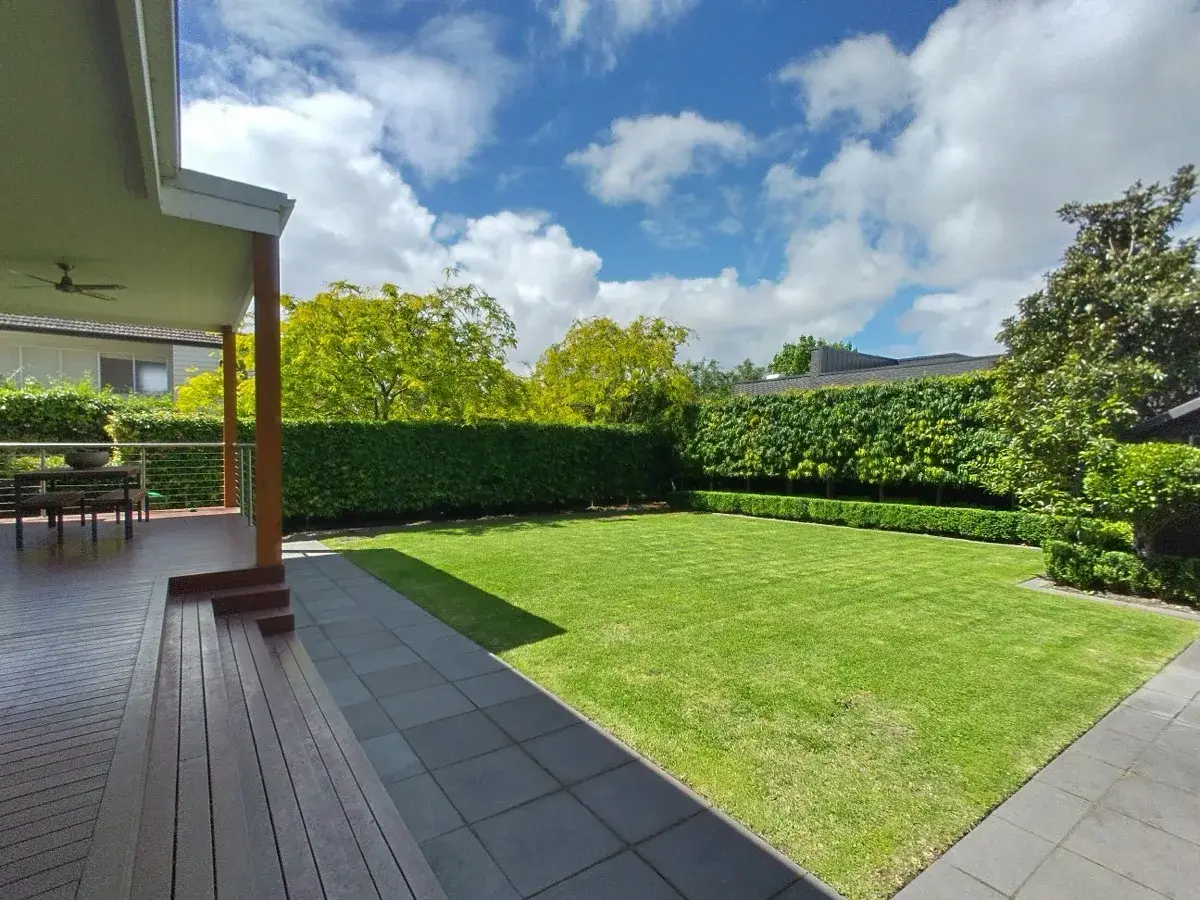
Hedging is one of the areas where plant selection matters most, because a hedging mistake multiplies, you're not replacing one plant, you're replacing forty.
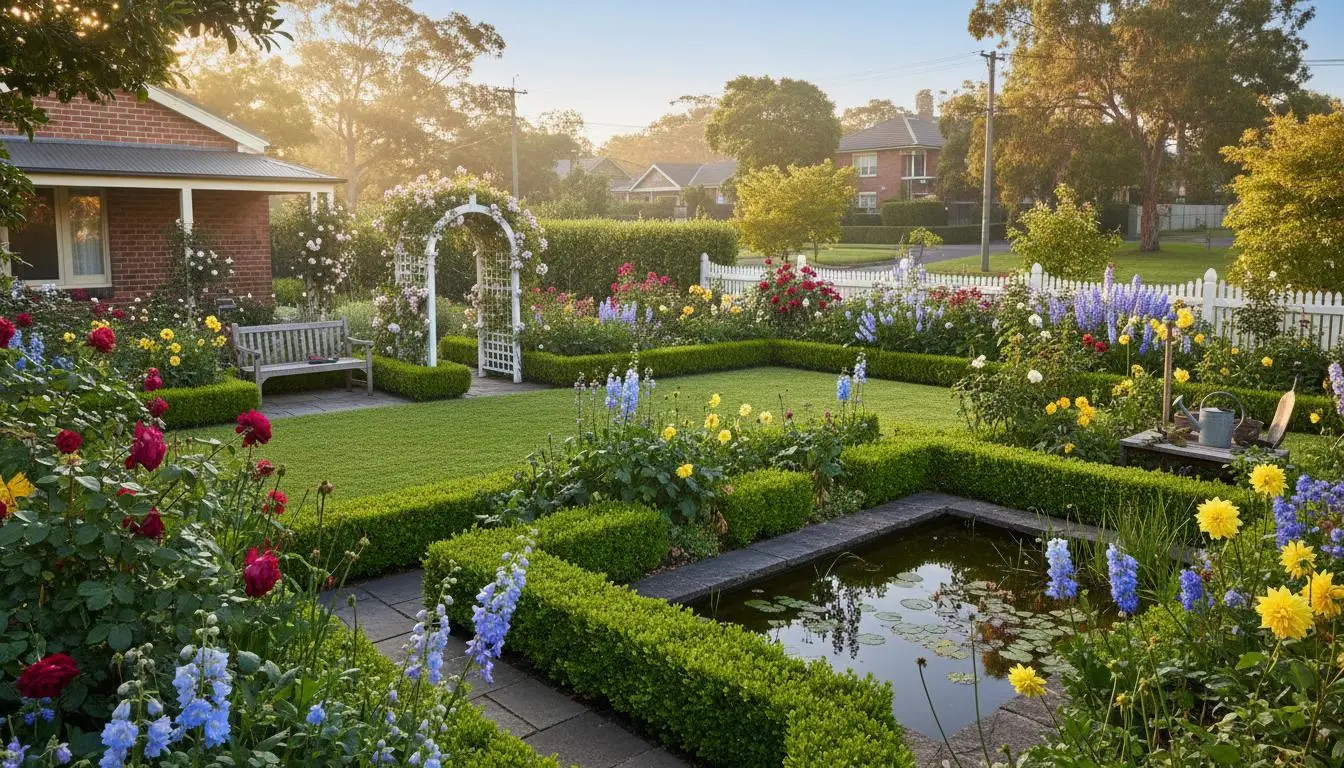
English Box (Buxus sempervirens) remains the gold standard for formal low hedging in period gardens. It's slow growing, clips to a precise finish, and has a density that nothing else matches. The trade-off is that it requires regular trimming, at least three to four times per year to maintain crisp lines, and it can suffer from box blight in humid conditions. For the heritage homes through Hawthorn and Canterbury, though, nothing else looks right.
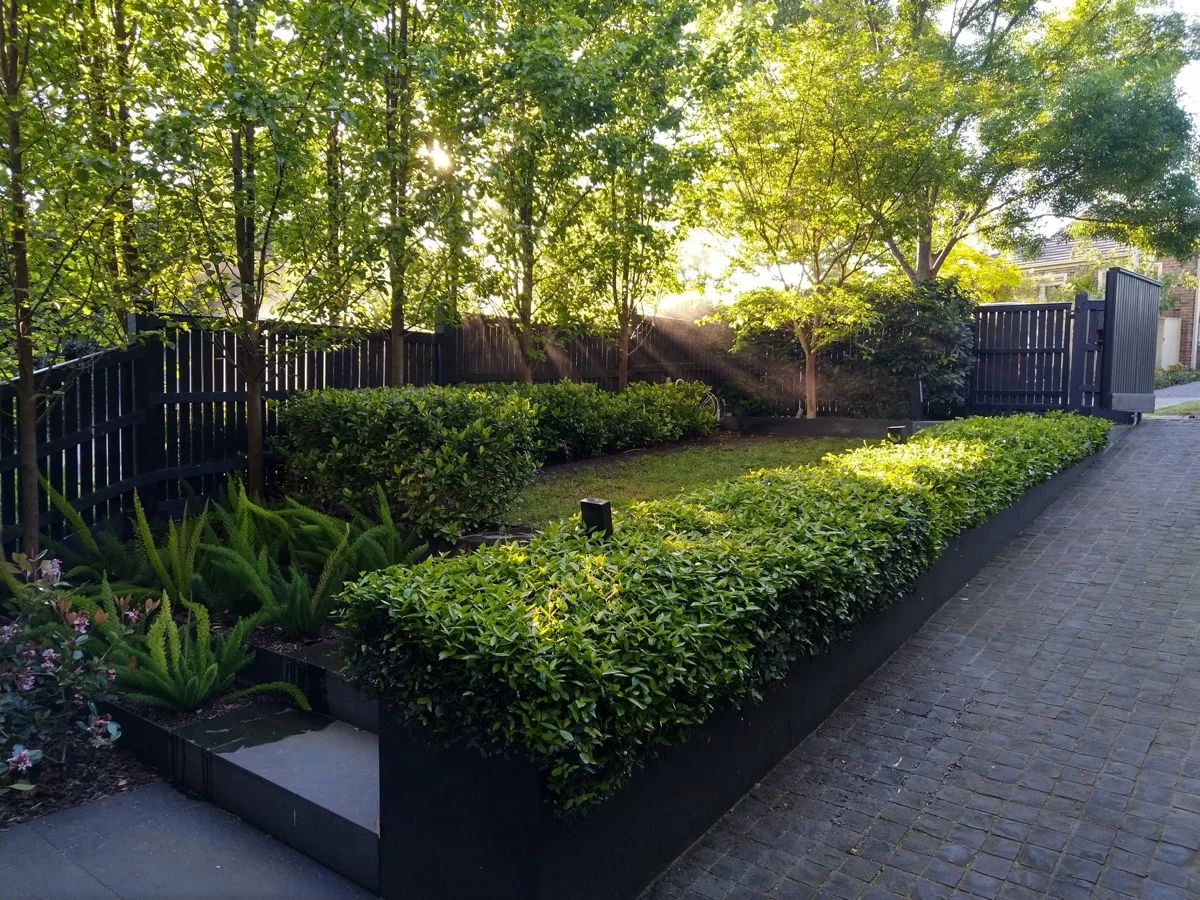
Japanese Box (Buxus microphylla var. japonica) is my recommendation for most new hedging projects. It grows faster than English box, shows better resistance to psyllid, and produces an excellent dense hedge. It doesn't clip quite as finely as English box, but for all but the most exacting formal gardens, it's the more practical choice.
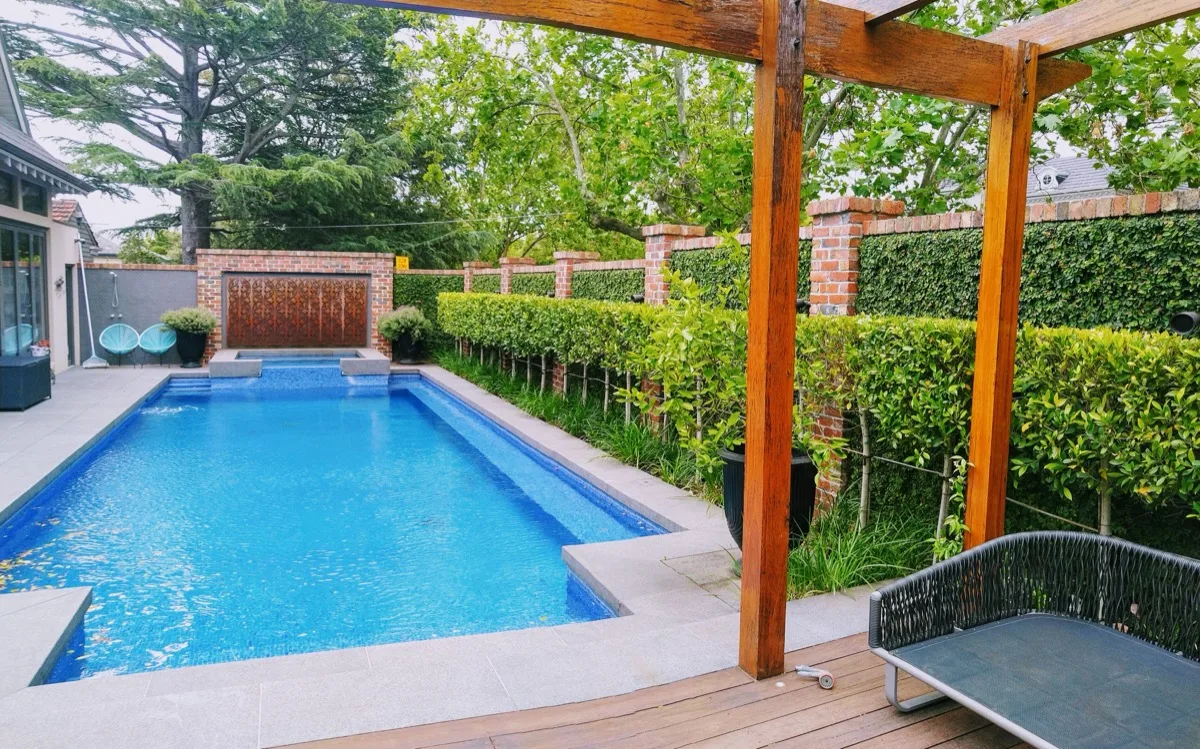
Portuguese Laurel (Prunus lusitanica) has become my go-to recommendation for taller hedging. The glossy dark leaves on red-tinted stems create a sophisticated look that suits the character homes of the eastern suburbs. It's faster growing than box, handles our soils well, and clips into a beautiful formal hedge at heights of one to two metres. Several gardens I manage in Surrey Hills use Portuguese laurel with excellent results.
Murraya paniculata works well for informal screening hedges. The fragrant white flowers are a bonus, and it grows quickly to fill gaps. It needs regular pruning to stay dense but rewards the attention with a lush, evergreen screen.
What Should You Plant at Ground Level?
Ground-level planting is what separates a garden that looks finished from one that looks like plants placed in soil. Good ground covers suppress weeds, retain moisture, and knit the garden together visually.
Liriope muscari is my most-used ground cover across the eastern suburbs. It handles sun or shade, tolerates dry conditions, produces purple flower spikes in late summer, and requires almost no maintenance beyond an annual cut-back in late winter. The 'Evergreen Giant' and 'Isabella' cultivars are particularly reliable.
Native Violet (Viola hederacea) is perfect beneath established trees. It spreads steadily to form a gentle carpet of purple-and-white flowers, handles heavy shade, and softens the base of mature plantings beautifully. I've used it extensively under trees in Kew gardens where grass refuses to grow.
Mondo Grass (Ophiopogon japonicus) is tough enough to plant between pavers and along path edges. The black-leaved form (Ophiopogon planiscapus 'Nigrescens') provides striking contrast against pale stone or gravel, though it's slower to establish than the green form.
Star Jasmine (Trachelospermum jasminoides) used as a ground cover, pegged down rather than allowed to climb, creates a dense, glossy, fragrant carpet that suppresses weeds effectively. It needs trimming to keep it flat, but the result is a sophisticated ground plane that works in both formal and informal settings.
What Thrives in the Shade of Mature Trees?
Shade is a defining characteristic of eastern suburbs gardens. Those magnificent mature trees, including elms, oaks, plane trees, and eucalypts, create wonderful canopy but challenging conditions below. These are the plants I've found perform best in that deep or dappled shade.
Clivias are the answer to deep shade where almost nothing else flowers. Their brilliant orange or yellow blooms light up the darkest corners from August through October. They're completely undemanding once established, no feeding required, no watering once settled, and they multiply steadily to create impressive drifts. A mass planting of clivias under a mature elm in a garden I manage in Hawthorn is one of the most photographed features in any garden on my rounds.
Hellebores flower when the garden is at its quietest, from June through August, and thrive in the dry shade beneath deciduous trees. They self-seed gently, come in an increasingly beautiful range of colours, and live for decades. I consider them essential for any shaded garden in the eastern suburbs.
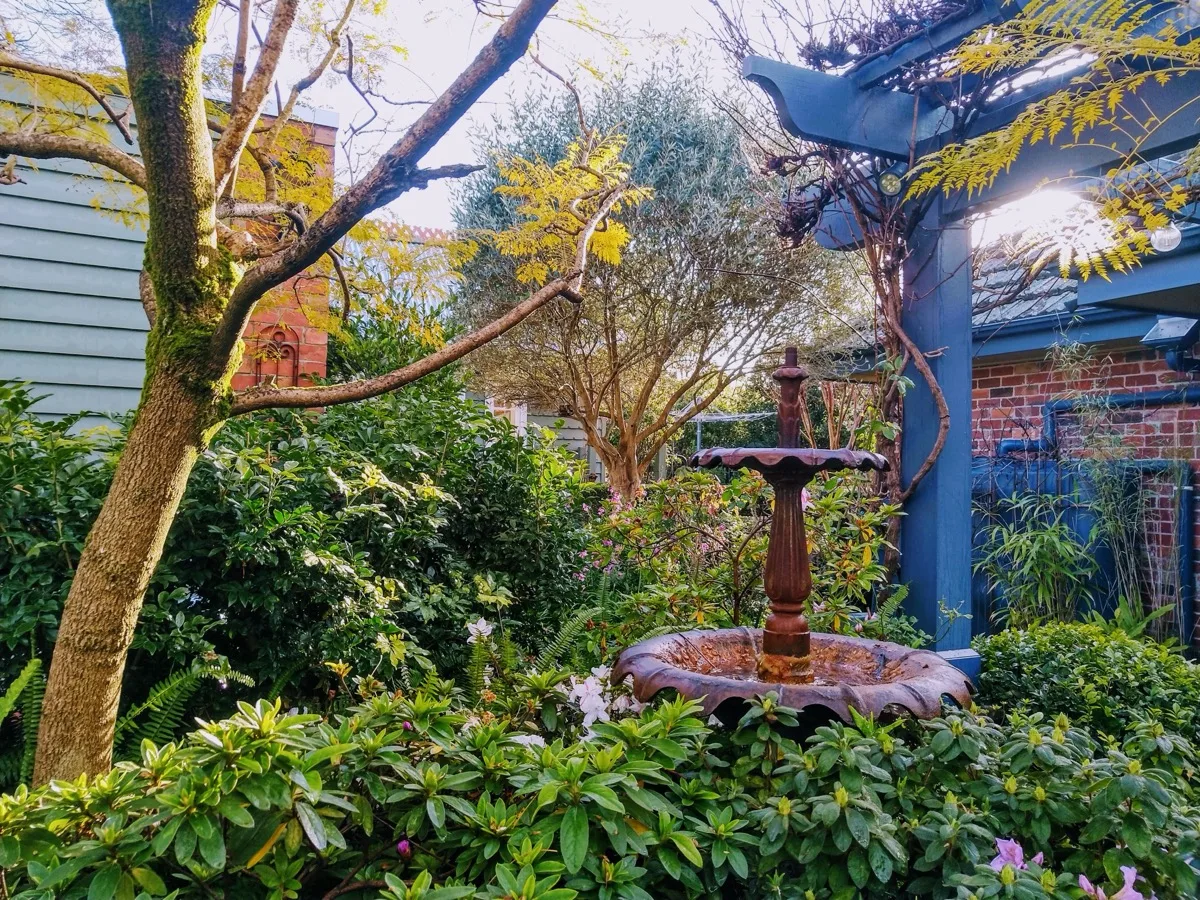
Ferns, particularly the Australian native Blechnum species and the maidenhair fern (Adiantum aethiopicum), bring a lush, layered texture to shaded areas. They need consistent moisture, so they work best in naturally damp spots or where irrigation reaches. In the right position, they're among the most atmospheric plants you can grow.
Brunnera macrophylla, especially the silver-leaved cultivar 'Jack Frost', is an outstanding shade perennial that I wish more people knew about. Heart-shaped silver leaves, delicate blue flowers in spring, and genuine tolerance of dry shade once established. It's become a staple in several gardens I manage through Camberwell.
Right Plant, Right Place
My grandfather used to say that choosing the right plant is ninety percent of gardening. The other ten percent is putting it in the right spot. After 27 years, I'd say he was about right.
The plants listed here aren't exotic or difficult to source, most are available at good Melbourne nurseries. What makes the difference is understanding which ones suit your specific conditions: your soil, your light, your exposure, your aesthetic. A plant that thrives three streets away might struggle in your garden because the conditions are subtly different.
If there's one principle I'd leave you with, it's this: invest in plants that want to grow where you're putting them. Our planting service can help you make the right choices for your specific conditions. Fighting a plant's preferences is a battle you'll always lose, and the effort is better spent on something that's naturally suited to the position. The best gardens I manage aren't the ones with the most expensive plants, they're the ones where every plant is in the right place.
Need Help With Your Garden?
Ready to put this advice into action?
Our diploma-qualified horticulturist and experienced team can help bring your garden vision to life. Book a free consultation to discuss your needs.
No pressure. No obligation. Just a conversation about your garden.