
Seasonal Garden Care
Summer Watering Guide: Keeping Your Melbourne Garden Alive in Heat
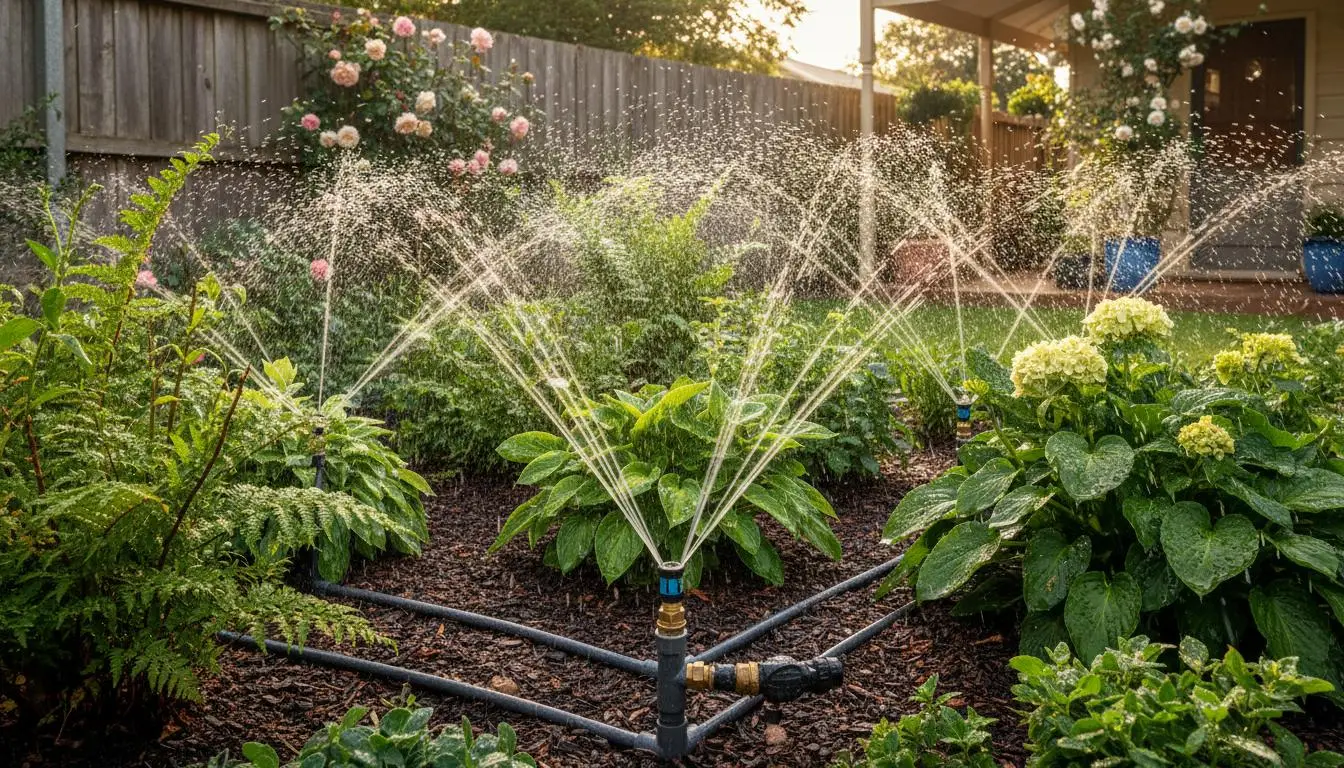
Essential watering strategies for Melbourne's hot, dry summers. Learn how to water efficiently, conserve water, and keep your garden thriving through heatwaves.
Introduction
Water your Melbourne garden deeply 2-3 times per week in summer, early morning between 5-8am, and follow Melbourne Water's permanent water saving rules. That's the short answer. The longer answer, the one that actually keeps gardens thriving through 40°C days, comes down to understanding your soil, your plants, and how to prepare before the heat arrives.
In 27 years of managing gardens through Melbourne summers, I've learned that the gardens that come through best aren't the ones that get the most water. They're the ones where the watering is timed right, the soil holds what it receives, and the preparation was done in spring. A well-mulched garden with good soil structure on two deep waterings a week will outperform a neglected garden on daily watering every time.
What Affects Your Garden's Water Needs?
Factors Affecting Water Requirements:
Plant Type: Native plants are generally drought-tolerant once established, European plants often need more regular watering, vegetables have high water needs during fruiting, and lawns are surprisingly resilient if managed correctly.
Soil Type: Sandy soils drain quickly and need more frequent watering. Clay soils hold water longer but can become waterlogged. Loam soils offer ideal balance with moderate water needs. Most gardens in Melbourne's eastern suburbs sit on some variation of clay, which is actually an advantage in summer, it holds moisture well, provided you've broken through any compaction layer.
Plant Age: New plantings need consistent moisture for 6-12 months. Established plants are more drought-tolerant. Mature trees often survive on rainfall alone.
When Should You Water?
Melbourne Water's permanent water saving rules (reviewed December 2025) set the framework: watering systems and sprinklers can only be used between 6pm and 10am, hand-held hoses fitted with a trigger nozzle can be used at any time, and all hoses must be leak-free with a trigger nozzle attached. These rules apply year-round, not just during restrictions.
Within that window, here's what works best:
Early Morning (5-8am) - RECOMMENDED: Water soaks in before heat of day, reduces evaporation losses, allows foliage to dry before night, and minimises fungal disease risk. This is when I set irrigation timers for every garden we manage.
Evening (6-8pm) - ACCEPTABLE: Good for deep watering, avoid wetting foliage (disease risk), less evaporation than midday.
Avoid Midday Watering: A significant amount of water is lost to evaporation, can scorch leaves in hot sun, inefficient use of water.
How Often to Water:
Established gardens need deep watering 2-3 times per week, which is better than light daily watering as it encourages deep root growth. New plantings need daily watering for first 2 weeks, then every 2-3 days for next month, gradually reducing as plants establish. The goal is to train roots downward, shallow, frequent watering keeps roots near the surface where they're most vulnerable to heat.
How Should You Water?
Deep Watering Technique:
1. Apply water slowly to allow penetration 2. Water until soil is moist to 15-20cm depth 3. Wait for water to soak in, then apply more 4. Create a temporary basin around plants to hold water
Signs of Adequate Watering: Soil is moist but not soggy, water penetrates to root zone, no runoff or puddling, plants recover from wilting by evening.
Signs of Underwatering: Wilting that doesn't recover by evening, dry soil 5cm below surface, cracked soil surface, stunted growth.
How Do Different Plants Need Different Watering?
Lawns: Water deeply once or twice per week, apply 25mm of water per session, allow to dry between waterings, raise mowing height in summer, accept some browning. Lawns are resilient. I've seen kikuyu come back from completely brown and crispy after a few good autumn rains.
Trees and Shrubs: Focus water at drip line (not trunk), deep infrequent watering is best, established natives rarely need supplementary water, mulch heavily to retain moisture.
Vegetable Gardens: Consistent moisture is critical, water at soil level (avoid wetting foliage), increase during fruiting, morning watering preferred.
How Can You Conserve Water?
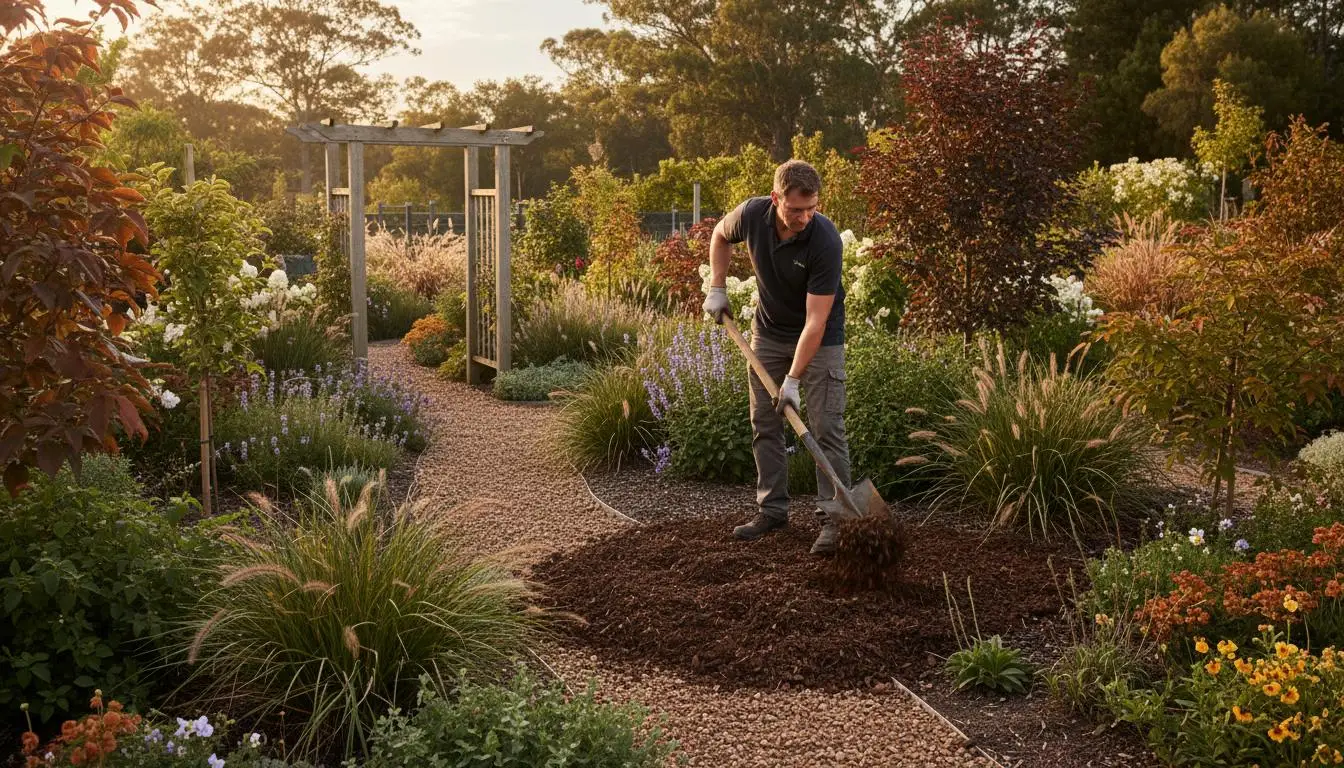
Mulch, Mulch, Mulch: Can reduce soil moisture loss by up to 50% (Frontiers in Agronomy, 2024), apply 75-100mm layer, replenish annually, keep away from plant stems.
Soil Improvement: Add organic matter to improve water retention. Clay soils benefit from gypsum. Sandy soils need compost.
Smart Plant Selection: Choose drought-tolerant plants, group plants by water needs, use native plants where appropriate.
What Should You Do Before, During, and After a Heatwave?
Before a Heatwave: Deep water 24-48 hours before extreme heat, apply additional mulch, move container plants to shade, install temporary shade cloth, delay any pruning or fertilising. This is the window that matters most. A property we manage in Surrey Hills came through a 43°C day last summer with almost no damage, not because we did anything special on the day, but because we'd deep-watered two days before and the mulch was fresh. The garden next door, unmulched and dry going in, lost three established shrubs.
During a Heatwave: Water early morning (before 7am), focus on high-value plants, don't worry about lawns, as they'll recover, mist shade-loving plants in evening, avoid any garden work. Resist the urge to overwater, panicked midday hosing mostly evaporates and can actually burn foliage through water droplet magnification.
After a Heatwave: Assess damage when temperatures drop, don't be too quick to remove apparently dead plants, resume normal watering schedule, wait a week before fertilising. I've seen plants that looked completely gone push new growth from the base three weeks later. Give them time.
Conclusion
The best thing you can do for your garden this summer isn't buying a fancier irrigation system, it's watering deeply and less often, doing it before 8am, and making sure there's a solid layer of mulch between the soil and the sun. Everything else is refinement.
Need Help With Your Garden?
Ready to put this advice into action?
Our diploma-qualified horticulturist and experienced team can help bring your garden vision to life. Book a free consultation to discuss your needs.
No pressure. No obligation. Just a conversation about your garden.