




Seasonal Garden Care
Autumn Garden Cleanup: Preparing Your Melbourne Garden for Winter

Complete autumn garden cleanup guide for Melbourne. Learn what to cut back, what to leave, and how to prepare your garden for the cooler months ahead.
Introduction
Autumn garden cleanup in Melbourne should begin in March and continue through May, focusing on cutting back spent perennials, final hedge trims, mulching, and preparing for winter dormancy.
Autumn is one of our busiest seasons, and for good reason. The work done in March, April, and May determines how gardens perform through winter and into spring. I often say that autumn is where next year's garden is really made, not in the obvious burst of spring, but in these quieter months when you're setting the foundations.
In suburbs like Camberwell and Surrey Hills, liquidambars, ornamental pears, and oaks create the biggest autumn workload. The leaf drop alone can bury garden beds in a matter of days. I've watched clients rake the same front path three times in a week during peak leaf fall in April, it's relentless. But that organic matter, managed properly, is actually one of autumn's greatest gifts to your soil.
What to Cut Back
Which perennials should you cut back in autumn?
Cut to ground level: Herbaceous perennials that die back completely, hostas, daylilies, sedums, ornamental grasses (except those with winter interest), black-eyed Susans, and coneflowers. These plants have finished their above-ground work for the year, and cutting them back now prevents disease carrying over into spring.
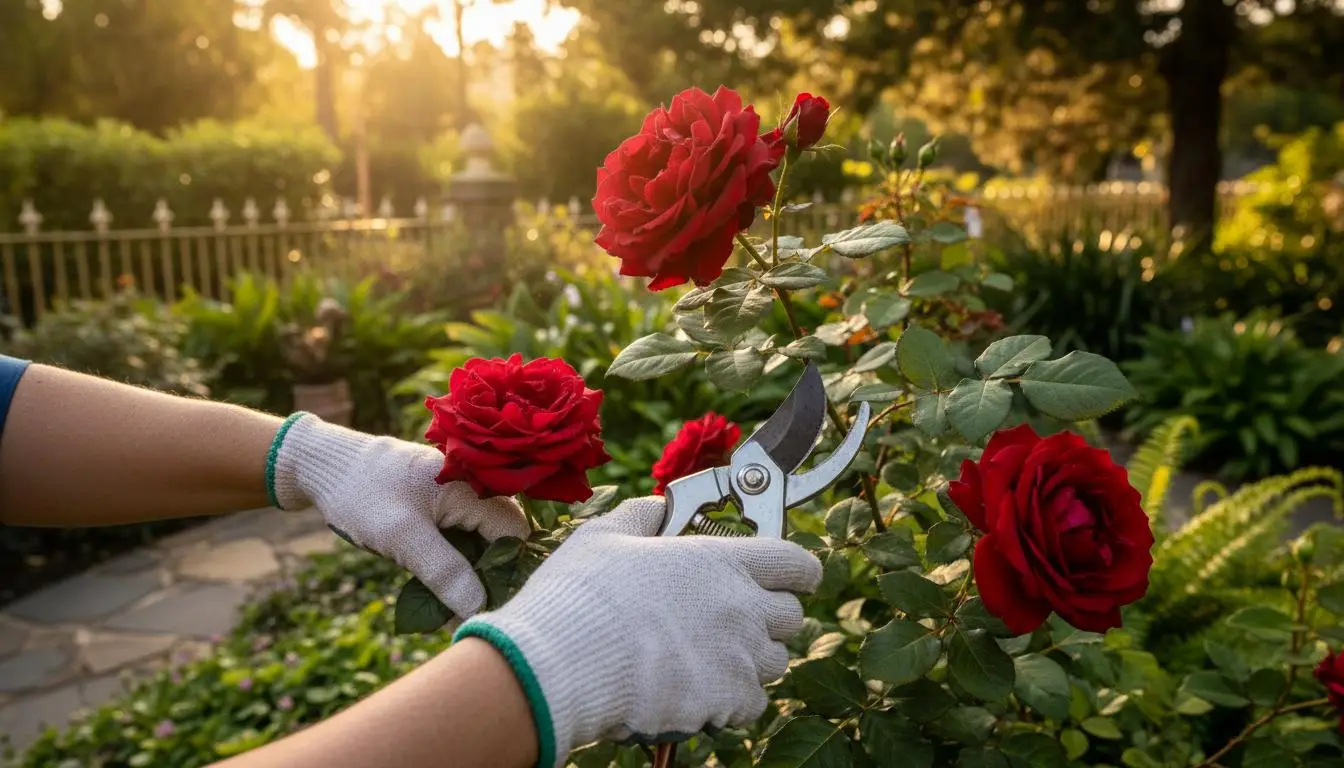
Cut back partially: Salvias (leave 15-20cm of woody growth), lavender (light trim only, never cut into old wood or you'll kill the plant), rosemary (shape only), sage and other herbs. The reason for leaving some structure is that these plants break from existing wood, not from the base. Cut them too hard and there's nothing to grow back from.
Annuals to Remove: Summer annuals that have finished, spent vegetable plants, weeds before they set seed (this is critical, one dandelion head can release over 2,000 seeds), and any diseased plant material. Diseased material goes in the green waste bin, never the compost.
Shrubs to Prune: Summer-flowering shrubs after blooming, overgrown hedges (this is the final trim before winter), dead or damaged branches, and crossing branches that rub. I always tell people: if two branches are rubbing, one of them has to go. The wound from constant friction is an open invitation for disease.
What to Leave Standing
Why leave some plants standing through winter?
Not everything should be cut back. Some plants earn their keep through the cooler months:
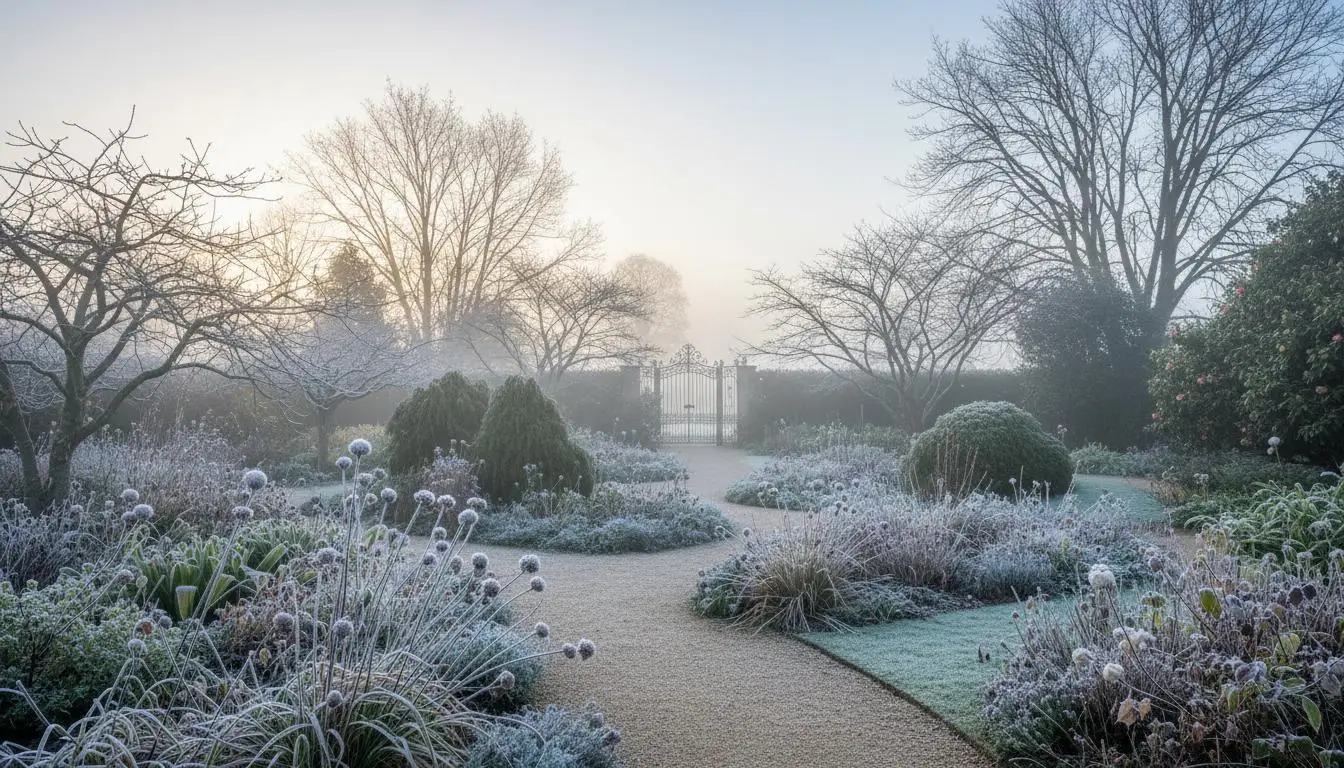
Ornamental grasses: Miscanthus, Pennisetum, Calamagrostis. Leave these for structure and movement. There's something about frost on a stand of Miscanthus in early morning light that makes a winter garden feel intentional rather than empty.
Seed heads: Echinacea, Rudbeckia, Sedum 'Autumn Joy'. These provide food for birds through winter when other sources are scarce.
Evergreen structure: Box hedges, conifers, native shrubs. These maintain shape and privacy year-round and become the backbone of your garden when everything else has retreated underground.
Plants that Shelter Wildlife: Leave some leaf litter in garden beds, standing stems for insect overwintering, seed heads for bird food, and undisturbed corners for habitat. A garden that's too tidy in winter is a garden that's lost its ecosystem. In 27 years, I've learned that the best gardens have a few quiet corners where nature does its own thing.
Autumn Planting
What should you plant in autumn?
Trees and shrubs: Deciduous trees (while dormant), evergreen shrubs, native plants, roses. Autumn planting gives roots months to establish before the demands of summer. It's one of the smartest things you can do.
Spring bulbs: Daffodils, tulips, hyacinths, crocus. Plant by end of May. I had a garden in Balwyn where the client planted 500 tulip bulbs every April. By September, the front garden was extraordinary. That kind of result doesn't happen by accident, it happens in autumn.
Winter vegetables: Broad beans, peas, spinach, silverbeet, kale. These thrive in Melbourne's cool, moist autumn conditions.
Autumn Planting Tips: Plant 6-8 weeks before first frost, water well before and after planting, mulch heavily around new plants, stake trees immediately, protect from strong winds. The reason for the 6-8 week window is root establishment, plants need time to anchor themselves before the soil goes cold.
Autumn Lawn Care
How should you prepare your lawn for winter?
Final Mows: Gradually raise your cutting height through March and April. Your last mow should be around Anzac Day. Don't scalp the lawn, longer grass blades protect the crown of the plant through winter. Leave clippings on the lawn as natural fertiliser.
Aeration: Autumn is the best time for aeration. It reduces compaction from summer foot traffic, improves drainage before winter rains arrive, and allows air to reach the root zone. If your lawn feels spongy underfoot when wet, compaction is likely the issue.
Fertilising: Apply autumn lawn food, low nitrogen, high potassium. The potassium strengthens cell walls and root systems for winter hardiness. Don't fertilise too late in the season or you'll push soft growth that frost will damage.
Weed Control: Remove broadleaf weeds now while they're actively growing and the lawn is still strong enough to fill the gaps they leave behind. Autumn is actually the ideal time for weed control, better than spring, because the weeds are growing but the competition pressure from the lawn is still high.
Autumn Mulching
Why is autumn mulching so important?
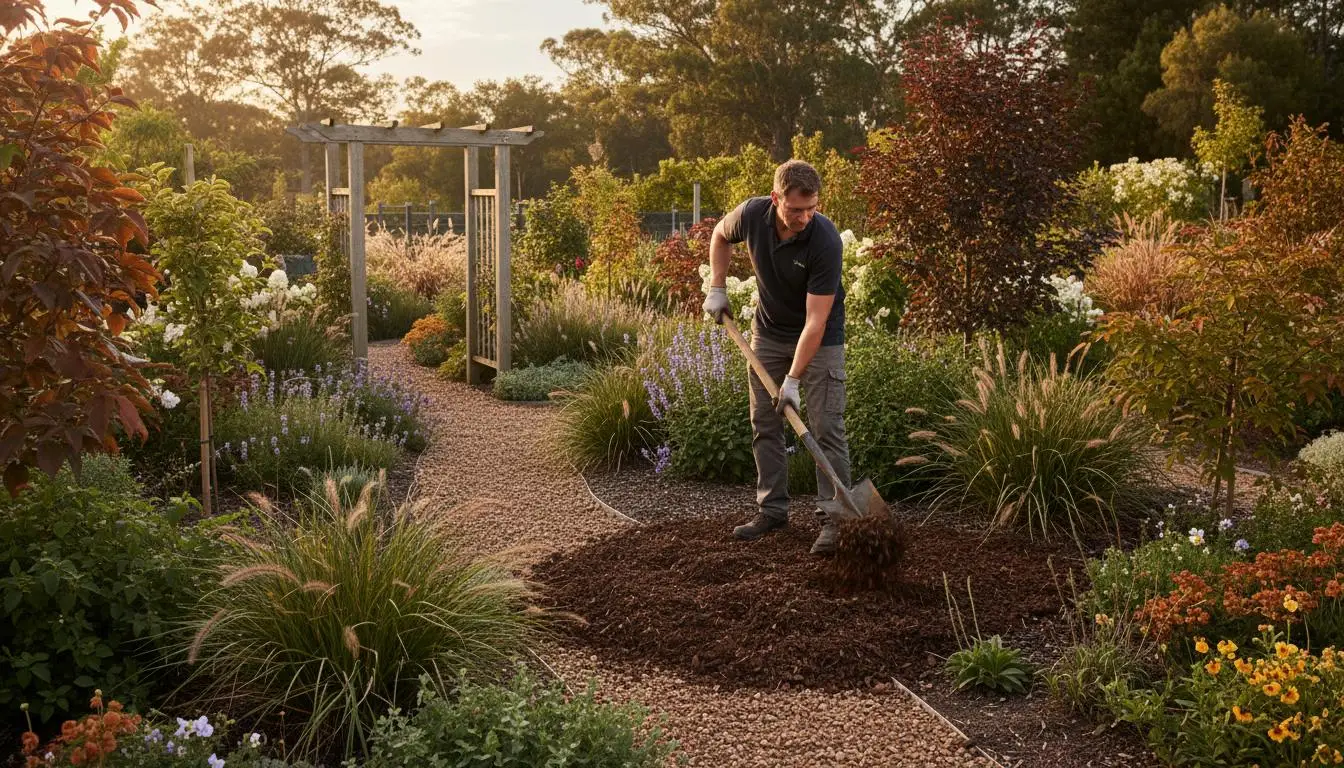
Autumn mulching insulates soil from temperature fluctuations through winter, continues weed suppression when you're not visiting the garden as often, protects plant roots from cold, begins breaking down slowly to feed the soil ready for spring, and prevents soil erosion from winter rains.
Application Guidelines: Apply a 75-100mm layer, keep mulch away from plant stems and tree trunks (mulch volcanoes cause collar rot, and I see this mistake constantly), use quality organic mulch, water the soil before mulching so you're locking moisture in rather than keeping it out, and top up through winter if settling occurs.
Tool Maintenance
Should you maintain your tools before winter?
Absolutely. Autumn is the time to get your tools ready for their lighter winter workload and ensure they're sharp for the spring rush.
Cleaning: Remove all dirt and debris, wash with soapy water, dry thoroughly, oil all metal parts. Soil left on tools through winter corrodes metal surprisingly fast.
Sharpening: Secateurs and loppers, hedge trimmers, mower blades, spades and hoes. A sharp tool makes cleaner cuts, which means healthier plants and less effort for you.
Storage: Hang tools to prevent rust, store in a dry location, oil wooden handles to prevent cracking, check and repair any damage. I keep a bucket of oily sand in the shed, plunge spades and hoes in after cleaning and the oil coats the metal. Old-fashioned, but it works.
Conclusion
The gardens that look effortless in October are the ones that had serious attention in April. Every perennial cut back, every bed mulched, every bulb planted, it all compounds. Autumn is quiet work, but it's the work that matters most. If your garden needs a thorough seasonal reset, our garden clean-up service can handle the heavy lifting. By the time winter arrives, you want your garden tucked in and settled, ready to rest before the next growing season begins.

Need Help With Your Garden?
Ready to put this advice into action?
Our diploma-qualified horticulturist and experienced team can help bring your garden vision to life. Book a free consultation to discuss your needs.
No pressure. No obligation. Just a conversation about your garden.