
Service Guides
Benefits of Regular Garden Maintenance: Why Monthly Care Matters
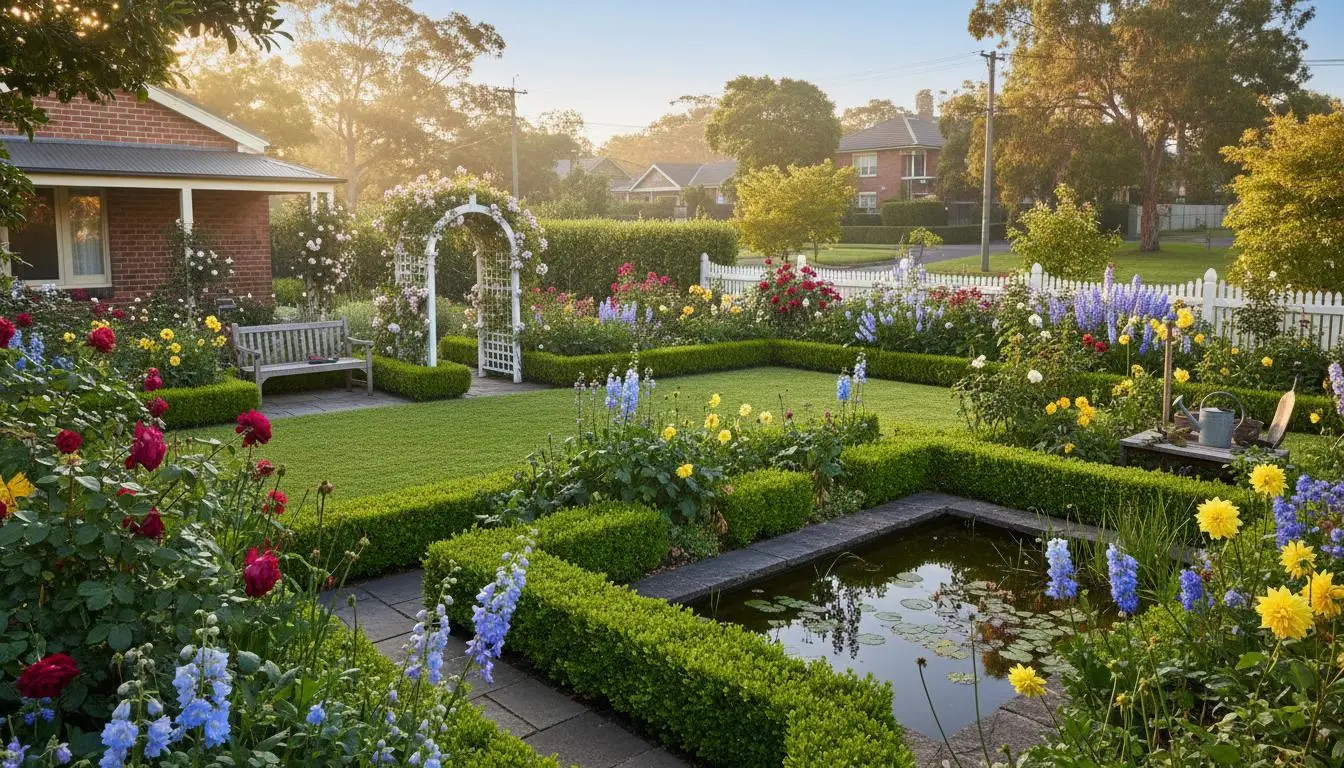
Regular professional garden maintenance does more than keep things tidy. It protects plant health, lifts property value, and catches problems before they become expensive.
Why Does Regular Maintenance Matter So Much?
Regular professional garden maintenance keeps plants healthier, catches problems before they escalate, and protects the long-term value of your property and its landscape. In 27 years of managing gardens across Melbourne's eastern suburbs, I've seen the difference between gardens that receive consistent monthly care and those that get attention only when something goes wrong. The gap between the two widens every year.
This isn't about tidiness, though that matters to most people. It's about the health of living systems. A garden is hundreds of plants in various stages of growth, each with different needs that shift through the seasons. Regular professional care keeps all of those moving parts working together instead of competing with each other.
How Does Consistent Care Improve Plant Health?
The single biggest advantage of regular maintenance is that plants stay ahead of stress rather than constantly recovering from it. When I visit a garden monthly, I'm pruning at the right time, managing competition from weeds before they steal water and nutrients, and adjusting care as the seasons change. Plants that receive this kind of attention don't just survive. They build strength year on year.
Take something as simple as pruning timing. A camellia pruned immediately after flowering sets more buds for the following year than one left until someone gets around to it three months later. Multiply that across every plant in a garden, and the cumulative effect of good timing versus poor timing is dramatic.
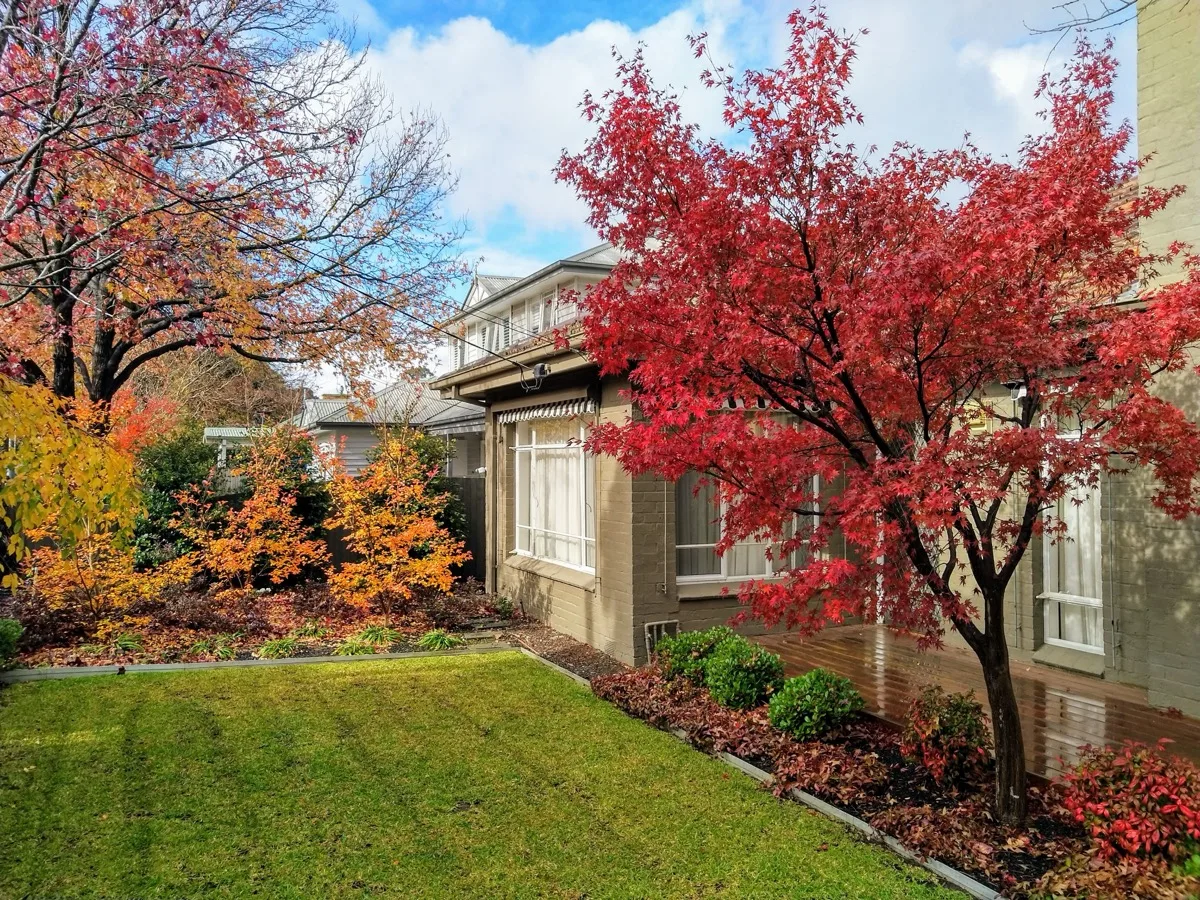
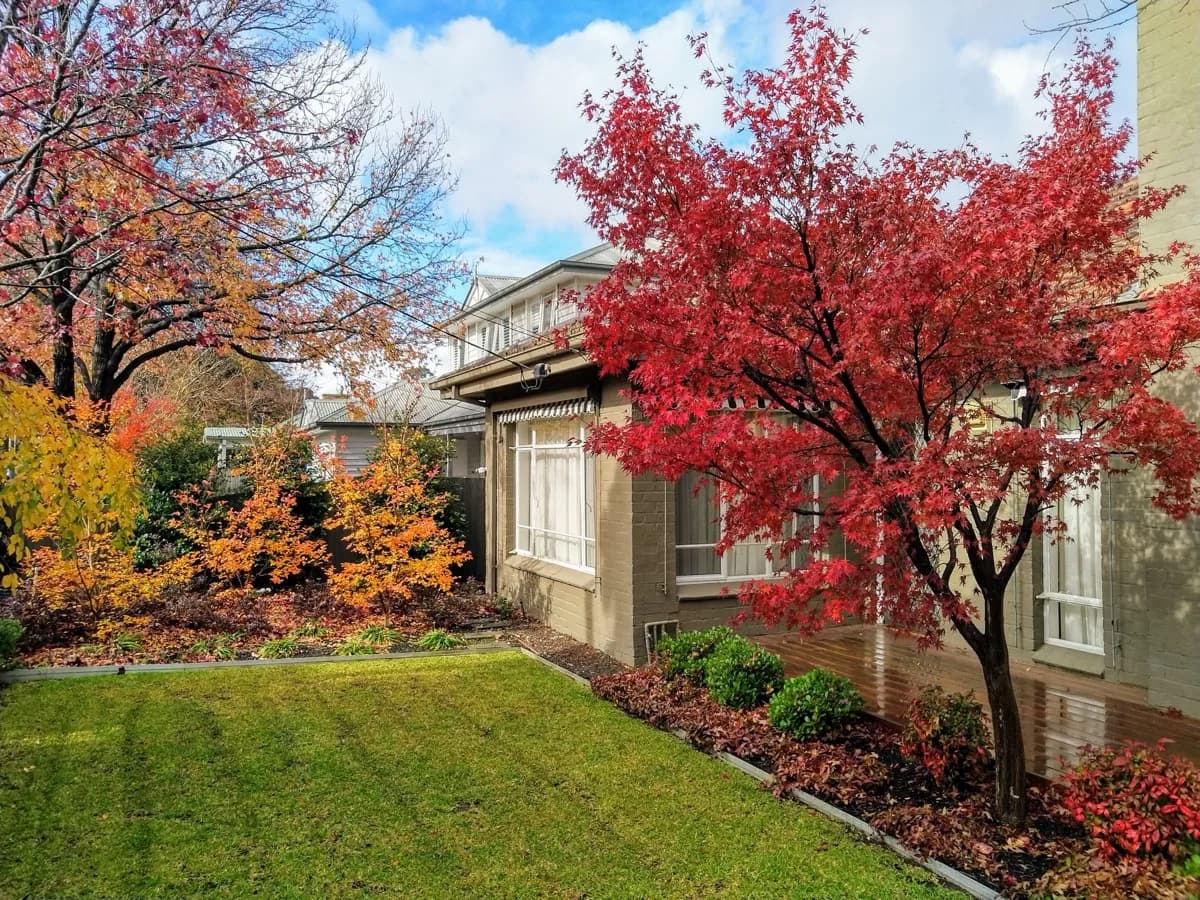
I've managed a garden in Camberwell for over fifteen years. The Japanese maples in that garden have developed extraordinary form because they've been selectively pruned every winter, never hard, never late, always with the tree's natural architecture in mind. That kind of result is only possible with consistent, knowledgeable care over time.
Regular visits also mean I notice the subtle signs that something has changed. A slight yellowing in the new growth of a gardenia might indicate iron deficiency in the alkaline clay soils common around Balwyn. Caught early, it's a simple chelated iron application. Left for months, it becomes a struggling plant that may never fully recover its vigour.
Does a Maintained Garden Really Increase Property Value?
Yes, and the research supports what I see in practice. According to the Greener Spaces Better Places and Domain Plant Value Report, well-maintained gardens can increase property value by up to 15%. On the flip side, the Husqvarna Global Garden Report found that neglected gardens can reduce property prices by 5-15%.
That's a significant swing, and it reflects something real about how people respond to outdoor spaces. A thriving garden signals that the entire property has been cared for. Buyers and valuers read the garden as a proxy for the home's overall condition.
But property value isn't just about the sale day. Every year you live with a well-maintained garden, you're enjoying an outdoor space that functions as a genuine extension of your home. The clients I've worked with longest don't maintain their gardens for resale value, they do it because a thriving garden fundamentally changes how they live in their home. The property value benefit is real, but it's almost a side effect of something more personal.
In the established suburbs I work across, including Hawthorn, Canterbury, and Surrey Hills, mature gardens are a defining feature of the streetscape. Maintaining them well isn't just a private benefit; it contributes to the character that makes these neighbourhoods desirable in the first place.
What Problems Does Regular Maintenance Catch Early?
This is where regular professional visits pay for themselves most directly. The difference between catching a problem early and discovering it late can be the difference between a ten-minute intervention and a significant expense.
Pest damage is the clearest example. Scale insects on a lilly pilly hedge are easy to manage when they're on a few branches. By the time the infestation is heavy enough for a homeowner to notice, with sooty mould on the leaves and sticky residue on the path below, the treatment is more intensive and the plant has already been weakened. I spot these things on routine visits because I know what to look for and I'm examining the plants closely, not just walking past them.
Disease works the same way. Black spot on roses, for instance, spreads rapidly once established but responds well to early intervention. During monthly visits, I'm checking foliage condition as a matter of course. If I see the first spots appearing on a lower leaf, we can act immediately, removing affected foliage, adjusting airflow by clearing competing growth, and treating if necessary.
Structural issues are another category entirely. A branch developing a weak attachment point on a mature tree is something a trained eye catches years before it becomes a hazard. I've flagged structural concerns in established trees across gardens in Kew and Glen Iris that saved clients from far more expensive emergency situations down the line.
What Is the Compound Effect of Monthly Care?
Gardens managed consistently don't just maintain their condition. They improve year on year. This compound effect is something you only appreciate over time, but it's one of the most rewarding things I experience in this work.
In the first year of regular maintenance, a garden typically becomes tidier and healthier. Weeds are brought under control, overgrown plants are reshaped, and neglected beds are restored. The garden starts looking like someone cares about it, because someone does.
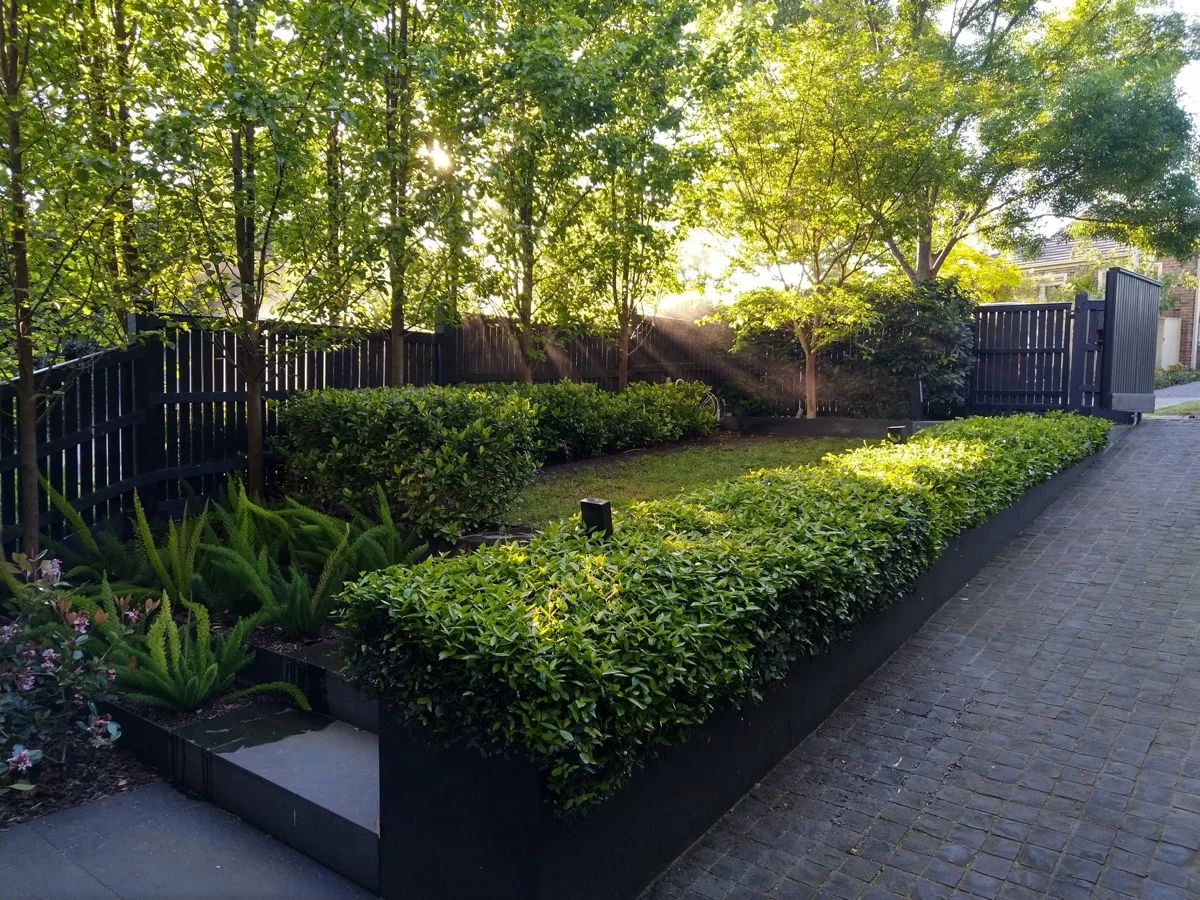
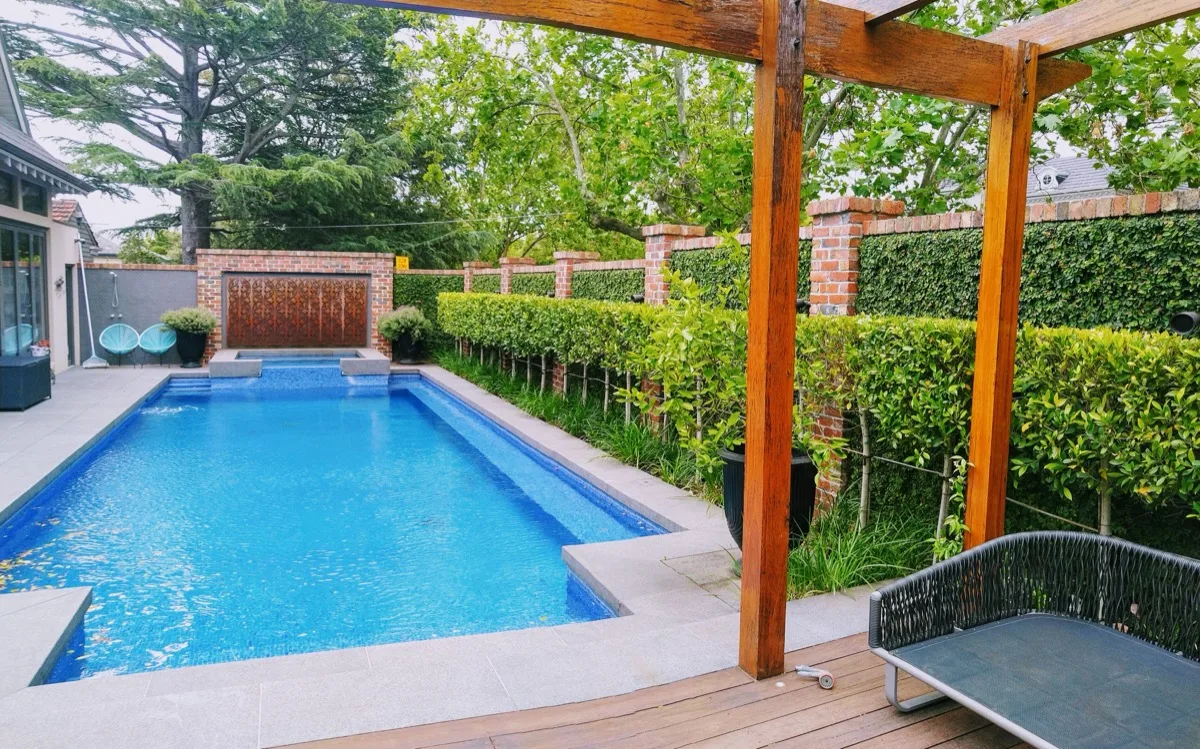
By year two and three, something more interesting happens. Plants that have been properly pruned and fed begin performing at their potential. Hedges thicken and tighten. Perennials fill out and flower more prolifically. Soil health improves as organic mulch breaks down and regular cultivation supports microbial activity.
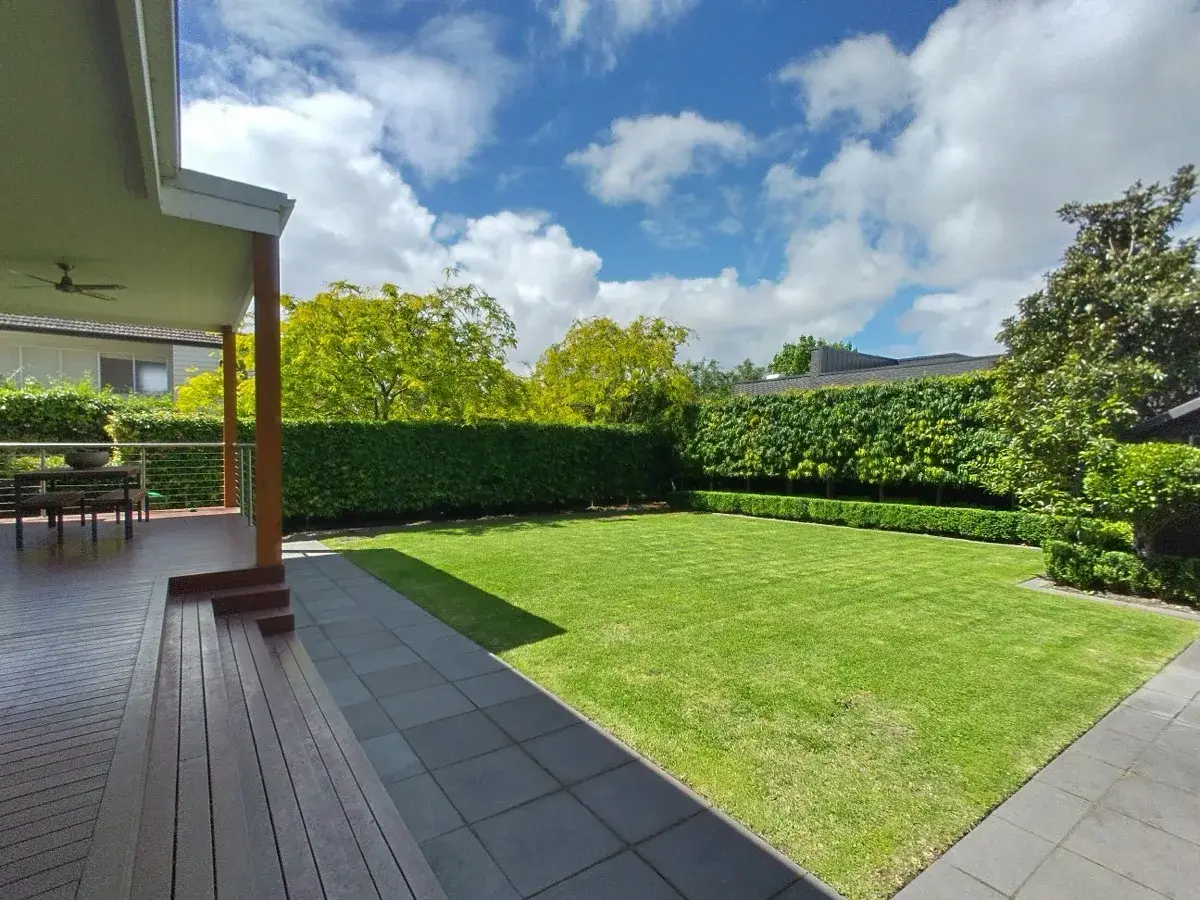
By year five and beyond, the garden develops a maturity and coherence that's impossible to achieve any other way. The plants have been guided into their best forms, the soil is alive and fertile, and the entire garden has a settled quality that distinguishes it from landscapes that have been installed but never truly managed.
My grandfather, who first put me in a garden as a child, used to say that a garden rewards patience more than effort. He was right. The patience of consistent monthly care, applied with knowledge over years, produces results that no amount of intensive one-off work can replicate.
Why Does Horticultural Knowledge Matter?
There's a meaningful difference between garden tidying and garden management, and it comes down to knowledge. Anyone can pull weeds and trim edges. Knowing which branch to remove from a magnolia to improve its long-term structure, or understanding why a particular grevillea is declining in a specific soil type, requires training and experience.
My Diploma of Horticulture from Burnley, an institution with a heritage stretching back to 1891, gave me the foundation. But it's 27 years of applying that knowledge across hundreds of different gardens in Melbourne's eastern suburbs that makes the difference in practice. I know which plants perform well in the heavy clay near Gardiners Creek in Glen Iris. I know how the exposed conditions in parts of Balwyn North affect plant selection. That local knowledge can't be learned from a textbook.
Regular maintenance with a knowledgeable team also means your garden benefits from ongoing observation. Each visit builds on the last. We're not starting fresh every time. We're continuing a conversation with the garden that spans years. We know its history, its patterns, and its tendencies.
What Does Neglect Actually Cost?
I want to be straightforward about this because I've seen it too many times. The cost of neglecting a garden is almost always higher than the cost of maintaining it would have been.
A hedge that hasn't been trimmed for a year requires significantly more work to restore than twelve monthly trims would have taken. Worse, some hedging species, English box in particular, don't recover well from hard cutting into old wood. What should have been routine maintenance becomes a replacement project.
Mulch that hasn't been topped up allows soil to dry out, weeds to establish, and soil temperature to fluctuate. Research published in Frontiers in Agronomy in 2024 found that mulching can reduce soil moisture evaporation by up to 50%. Without it, plants work harder for water, stress more easily, and decline faster. The cost of regular mulch top-ups is a fraction of the cost of replacing stressed plants and rebuilding depleted soil.
The most expensive form of neglect I see is the slow kind: the garden that looks roughly okay from a distance but is quietly deteriorating because nobody with training is paying close attention. By the time the owner notices the decline, years of compound neglect have to be unwound, and that's never cheap.
The Long Game
The gardens I find most satisfying to manage are the ones where the owner understands that garden maintenance is a long game. It's not about making the garden look good for this weekend. It's about building a landscape that becomes more beautiful, more resilient, and more valuable with each passing year.
That requires consistency. It requires knowledge. And it requires someone who'll be there season after season, which is exactly how we work, noticing the small things before they become big things, and guiding the garden toward its potential rather than just reacting to whatever has gone wrong this month.
That's what regular professional maintenance actually is: not a service, but a relationship with a living space that rewards attention with interest.
Related Articles
Need Help With Your Garden?
Ready to put this advice into action?
Our diploma-qualified horticulturist and experienced team can help bring your garden vision to life. Book a free consultation to discuss your needs.
No pressure. No obligation. Just a conversation about your garden.