







Seasonal Garden Care
Winter Garden Care: Protecting Your Plants in Melbourne's Cold Months

Essential winter garden care strategies for Melbourne. Learn how to protect tender plants, maintain soil health, and prepare for spring during the dormant season.
Introduction
Winter garden care in Melbourne focuses on protecting tender plants from frost, pruning deciduous trees and roses while dormant, maintaining soil health, and planning for spring.
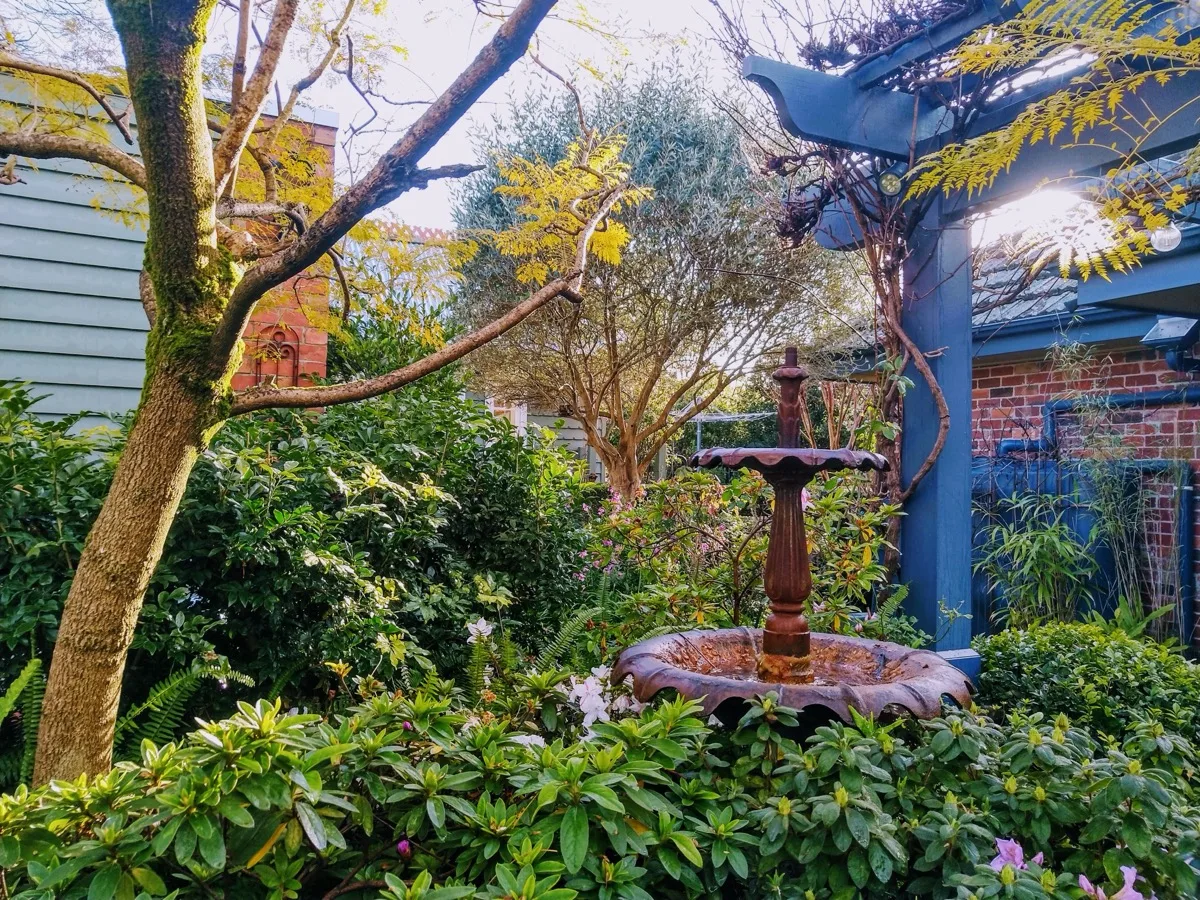
I actually enjoy winter in gardens. The pace changes, the light is different, and you can finally see the structure, the bones of a garden that are hidden under foliage for the rest of the year. In 27 years, I've come to think of winter as the season that reveals whether a garden has been well planned. If it looks good in July, stripped back and bare, it'll look good all year.
The work during these cooler months is quieter but no less important. What you protect, prune, and plan now determines everything about how your garden emerges in September.
Winter Protection Strategies
How do you protect a Melbourne garden from frost?
Melbourne's frost risk varies significantly by suburb and even by street. Tree canopies in established suburbs like Camberwell and Balwyn provide some frost protection, though low-lying areas and frost hollows still need attention. I've seen one side of a Balwyn garden escape frost entirely while plants ten metres away, in a dip near the back fence, were burned brown overnight.
Key frost protection measures:
- Cover tender plants with frost cloth on cold nights (put it on before sunset and remove it mid-morning, leaving it on all day defeats the purpose)
- Move container plants to sheltered positions against north-facing walls
- Water plants before expected frost, moist soil holds heat far better than dry soil, releasing warmth around roots overnight
- Avoid pruning frost-damaged growth until spring. This is one of the most common mistakes I see. The damaged foliage actually insulates the healthy growth underneath. Cut it away too early and you expose the plant to further damage.
Winter winds can be as damaging as cold, sometimes more so. Create windbreaks using:
- Temporary hessian screens around vulnerable plants
- Strategic planting of hardy shrubs (this is a long-term investment that pays off every winter)
- Relocating vulnerable container plants to sheltered corners
- Staking newly planted trees, which are particularly vulnerable to root rock in wet, windy conditions
Protecting Tender Plants
Which plants need winter protection in Melbourne?
Tropical and subtropical plants: Bird of paradise, hibiscus, frangipani, bougainvillea. These are the first casualties of a cold snap. Frangipani in particular looks alarming in winter, completely bare and almost dead-looking, but that's normal. The danger is root rot from sitting in cold, wet soil, not the cold itself.
Citrus trees: Young trees are particularly vulnerable. Mature trees usually survive Melbourne winters but may drop fruit in heavy frost. A well-established lemon in a sheltered spot will typically come through fine.
Succulents: Many succulents suffer in wet, cold conditions. The cold alone rarely kills them, it's the combination of cold and waterlogged soil that causes rot.
New plantings: Anything planted in the last 6 months needs extra care. The root system hasn't established enough to sustain the plant through stress.
Protection Methods:
For in-ground plants: Apply thick mulch (100mm+), use frost cloth on cold nights, create temporary shelters with stakes and hessian, and ensure good drainage. Drainage is the critical one, most winter plant deaths in Melbourne are actually from waterlogging, not cold.
For container plants: Move to protected positions, cluster pots together for shared warmth, wrap pots with hessian or bubble wrap to insulate roots, and reduce watering significantly. The roots in a pot are far more exposed than roots in the ground, there's no thermal mass of soil protecting them.
Maintaining Soil Health
Why does winter soil care matter?
Winter is when soil biology continues working, albeit more slowly. Fungi, bacteria, and worms are all still active below the surface, breaking down the organic matter you applied in autumn. Maintaining soil health during this period ensures your garden hits the ground running in spring.
Winter Soil Tasks:
- Avoid walking on wet soil, as this causes compaction that takes months to reverse. I've seen clients create permanent hard paths through their garden beds just from walking through them in winter to check on plants. Use stepping stones or boards.
- Don't work soil when waterlogged. Wait for it to dry enough that it crumbles rather than clumps.
- Allow fallen leaves to decompose naturally in garden beds (not on lawns). They're free mulch and soil food.
- Apply compost to empty vegetable beds and let it break down over winter so it's ready for spring planting.
- Test soil pH and plan amendments. Winter is the ideal time for lime or sulfur applications because they need weeks to take effect.
Composting continues through winter, just more slowly. Keep your compost pile:
- Covered to prevent waterlogging (a soggy compost heap goes anaerobic and smells terrible)
- Turned monthly if possible to introduce oxygen
- Balanced with brown and green materials
- Protected from extreme cold, as a well-built heap generates its own warmth
Winter Pruning
What should you prune in winter?
Winter is the main pruning season for several important plant groups, and for good reason: with leaves gone, you can see the branch structure clearly and make better decisions about what stays and what goes.
Deciduous trees and shrubs: While dormant, structure is visible. This is the ideal time for formative pruning, establishing the shape that will define the tree for years to come.
Roses: July is the ideal month for major rose pruning in Melbourne (Rose Society of Victoria). Prune too early and a warm spell pushes soft growth that the next frost kills. Prune too late and you delay flowering. July is the sweet spot.
Fruit trees: Apples, pears, and stone fruit should be pruned after leaf fall. The goal is an open vase shape that allows light and air into the centre of the tree.
Ornamental grapes and vines: Hard prune for shape and productivity. These can be cut back aggressively, they respond well.
Winter Pruning Tips:
- Choose dry, mild days. Pruning in wet weather invites fungal infection through fresh cuts.
- Sterilise tools between plants, especially if you've been cutting out diseased wood. A spray bottle of methylated spirits works well.
- Remove all prunings from the garden and don't leave disease reservoirs lying around.
- Make clean cuts at correct angles, just above an outward-facing bud.
- Step back regularly to assess shape. It's easy to get tunnel vision when you're close to the plant. Walk away, look from a distance, then go back.
Planning for Spring
Why is winter the best time to plan?
While the garden rests, your mind can be active. I spend winter evenings reviewing what worked and what didn't in the gardens I manage. Which plants thrived? Which struggled? Where are the gaps that need filling?
- Review what worked and what didn't last year
- Plan new plantings and garden changes
- Order seeds and plants for spring (the best varieties sell out early)
- Research new varieties to try
- Design new garden areas on paper before committing to digging
- Sharpen and maintain tools (if you didn't do this in autumn, do it now)
- Clean pots and seed trays, as a dilute bleach solution kills any lingering pathogens
- Order soil amendments so they're ready when you need them
- Plan irrigation improvements before the dry season makes them urgent
- Book professional services early, as everyone wants a gardener in September
Indoor Gardening
What can you do indoors during winter?
Winter is perfect for indoor plant care and getting a head start on spring:
- Repot root-bound houseplants (check if roots are circling the bottom of the pot)
- Take cuttings for spring planting, as many plants strike well from winter cuttings kept in a warm spot
- Force bulbs for winter blooms, as hyacinths and paperwhites bring life to a winter kitchen
- Start seeds indoors for early spring planting
- Reduce watering, as plants grow more slowly in lower light and cooler temperatures
- Increase humidity if you're running central heating, which dries the air significantly. A tray of pebbles with water works well.
- Provide maximum light by moving plants closer to windows
- Keep plants away from cold drafts and heating vents alike
- Hold off on fertilising until spring when active growth resumes
Conclusion
By late August, you'll start to see it, the first swelling buds on the roses you pruned in July, new shoots on the deciduous trees, bulb tips pushing through the mulch. That's when your focus shifts to spring garden maintenance. That moment when winter's investment begins to pay off is one of the most satisfying things in gardening. Everything you protected, pruned, and planned through the cold months starts to reveal itself, and the garden comes alive again.




Need Help With Your Garden?
Ready to put this advice into action?
Our diploma-qualified horticulturist and experienced team can help bring your garden vision to life. Book a free consultation to discuss your needs.
No pressure. No obligation. Just a conversation about your garden.