

Seasonal Garden Care
Best Time to Mulch Your Garden in Melbourne: Seasonal Guide
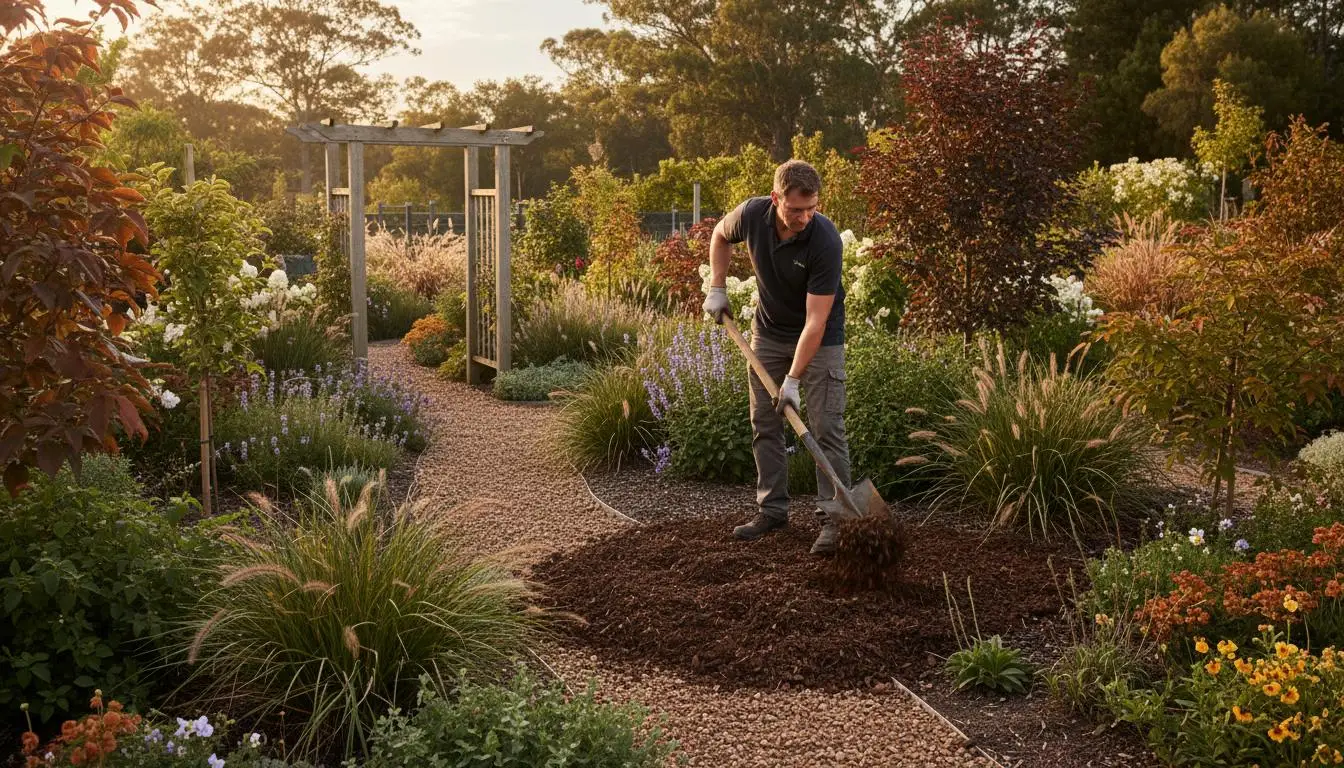
Discover the optimal timing for mulching in Melbourne's climate. Learn how seasonal mulching protects your soil, suppresses weeds, and promotes healthy plant growth.
Introduction
The best time to mulch your Melbourne garden is spring, September to October, when the soil has warmed and plants are entering active growth. That's when mulch does its best work: locking in moisture right before the dry months, suppressing the weeds that are just starting to germinate, and feeding the soil biology that's waking up after winter.
I apply over 100 cubic metres of organic tree mulch annually across gardens in Camberwell, Surrey Hills, Hawthorn, and surrounding suburbs. Of all the work we do, mulching consistently delivers the most visible difference. A garden that was weedy and dry in February will look entirely different the following summer if it was properly mulched in September.
Why Does Mulch Matter So Much?
Mulch acts as insulation, keeping soil cooler in summer and warmer in winter. This protects delicate root systems and maintains microbial activity year-round. A proper mulch layer can reduce soil moisture loss by up to 50% (Frontiers in Agronomy, 2024), meaning less watering and more consistent soil moisture for your plants. Thick mulch blocks light from reaching weed seeds, dramatically reducing weeding requirements. Organic mulch breaks down over time, adding valuable organic matter and nutrients to your soil.
The thing people underestimate is the compounding effect. One year of good mulching improves soil structure. Two years transforms it. I've seen gardens in Canterbury where the soil was hard clay when we started, after three seasons of consistent organic mulching, you can push your finger into the topsoil. That's the mycorrhizal fungi and earthworms doing their work underneath. For more on building healthy soil, see our guide to soil improvement services.
When Should You Mulch in Spring? (September-October)
Spring is the ideal time for your main annual mulching in Melbourne. The soil has warmed sufficiently for microbial activity, plants are entering active growth and need moisture retention, weeds are germinating and need suppression, and rainfall is still relatively reliable.
Wait until soil has warmed (not immediately after winter), clear any winter weeds first, apply 75-100mm of quality organic mulch, keep mulch 5cm away from plant stems, and water thoroughly after application. The most common mistake I see is mulching too early, if you apply mulch over cold, wet soil in August, you're actually insulating the cold in and slowing root activity.
What About Summer Mulching? (December-January)
While spring is preferred, summer mulching is better than no mulching. It's critical for moisture retention during dry periods, keeps roots cool during heatwaves, and reduces watering frequency significantly.
Apply mulch to already-moist soil, water deeply before and after mulching, choose lighter-coloured mulches that reflect heat, and increase mulch depth to 100mm for maximum protection.
Is Autumn Mulching Worth It? (March-April)
Autumn is an excellent secondary mulching time. It protects soil from winter temperature fluctuations, continues weed suppression through winter, protects plant roots from cold, and begins breaking down before spring.
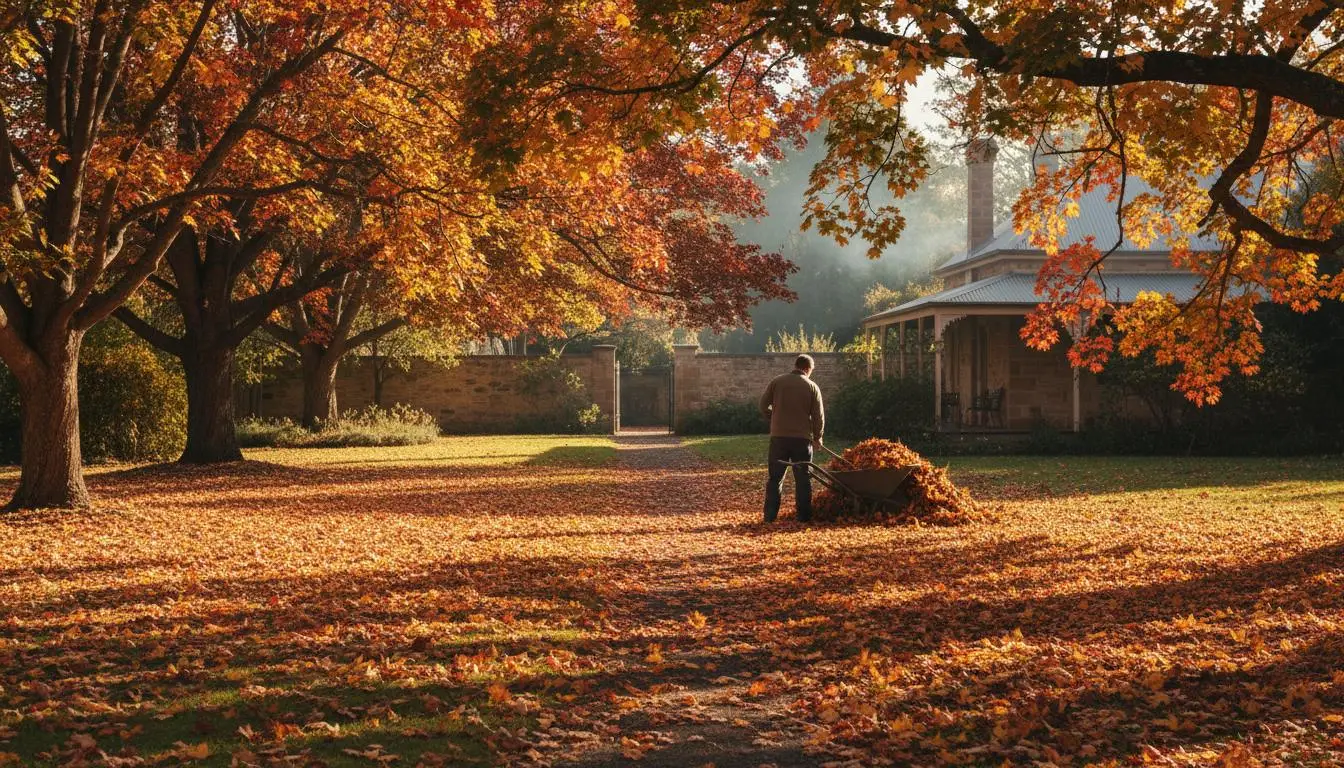
Clear summer weeds and fallen leaves as part of your autumn garden cleanup, apply slightly thicker layer (100mm) for winter protection, choose mulches that break down slowly, and avoid high-nitrogen mulches that encourage soft growth.
How Do You Choose the Right Mulch?
The mulch we use is organic tree mulch: a raw mix of chopped trunk, branches, and leaves. The reason I prefer this over commercial bagged products is the diversity. Because it contains bark, cambium, sapwood, and leaf matter in varying stages of decomposition, it creates a naturally occurring microbiome that supports soil structure, boosts plant health, and reduces susceptibility to pests and disease. Uniform, processed mulches look tidy, but they don't feed the soil in the same way.
Avoid cypress mulch (environmentally unsustainable), dyed mulches (chemicals can harm soil), fine sawdust (compacts and repels water), and fresh grass clippings (heat up and smell).
How Should You Apply Mulch?
Prepare the area by removing weeds and debris, water the soil if dry, and edge beds for clean lines. Calculate quantity by measuring bed area (length × width), multiply by desired depth (0.075-0.1m), and add 10% for settling.
Apply evenly with rake or by hand, maintain consistent depth, and keep away from plant stems and tree trunks. Water thoroughly, check depth after settling, and top up if needed. The 5cm gap around stems and trunks isn't optional, mulch piled against bark holds moisture against the tissue and invites collar rot, which can kill an otherwise healthy plant.
Conclusion
If you only do one thing for your garden each year, make it a proper mulch in late September. Wait for the soil to warm, clear the weeds, lay it thick, and keep it off the stems. By January, you'll notice the difference in your water bill and your weeding time, and by the following autumn, you'll notice it in the soil itself. Our mulching service covers everything from supply to application across Melbourne's eastern suburbs.

Need Help With Your Garden?
Ready to put this advice into action?
Our diploma-qualified horticulturist and experienced team can help bring your garden vision to life. Book a free consultation to discuss your needs.
No pressure. No obligation. Just a conversation about your garden.