



Seasonal Garden Care
Spring Garden Maintenance Checklist for Melbourne Gardens
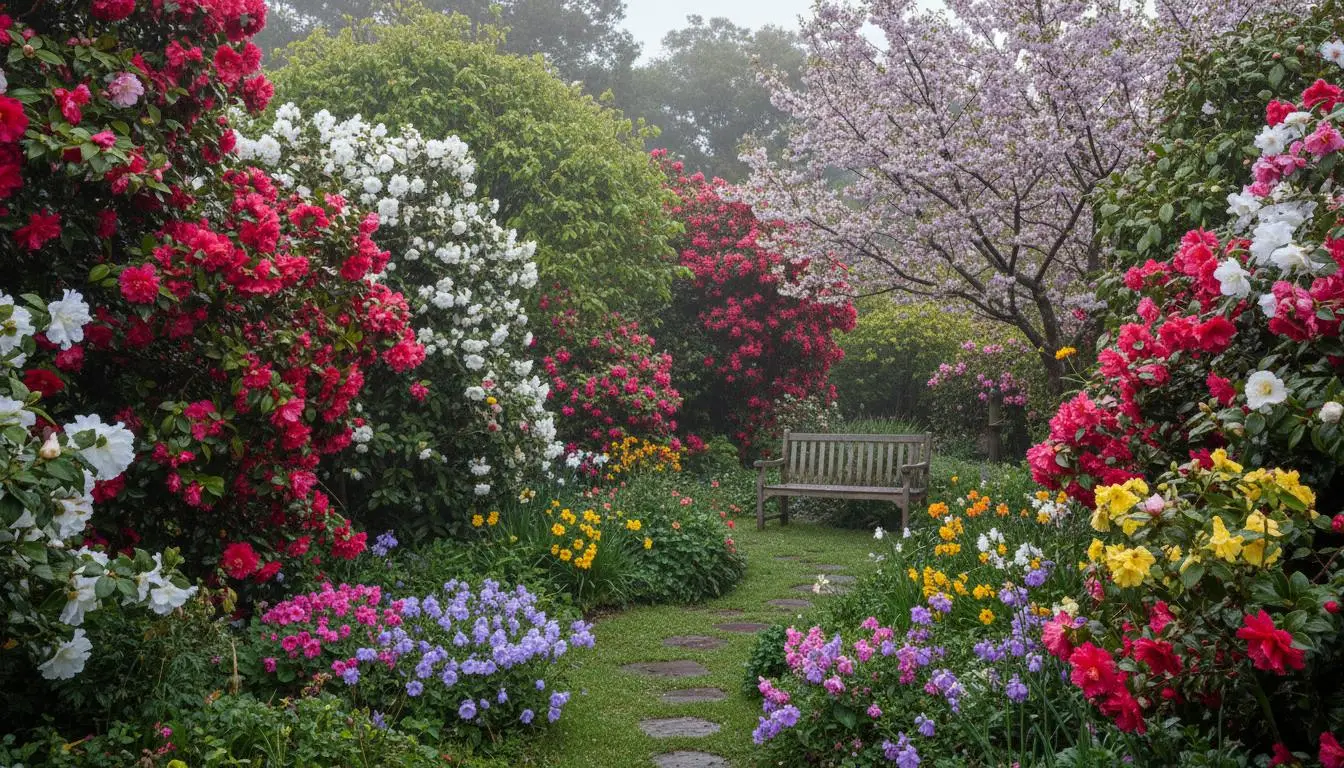
Your complete spring garden maintenance checklist. From pruning to planting, fertilising to pest control, everything you need for a thriving garden this season.
Introduction
Spring garden maintenance in Melbourne runs from September through November, it's the busiest, most impactful season in the garden calendar. What you do in these three months determines how your garden performs for the entire year ahead.
I think of spring as three distinct phases. In September, we start with assessment, walking the garden, understanding what winter has done, and setting priorities. By October, we're planting and mulching, capitalising on the warm soil and reliable rainfall. By November, we're preparing for summer, making sure everything is in place before the heat arrives. Miss any of these phases and you spend the rest of the year catching up.
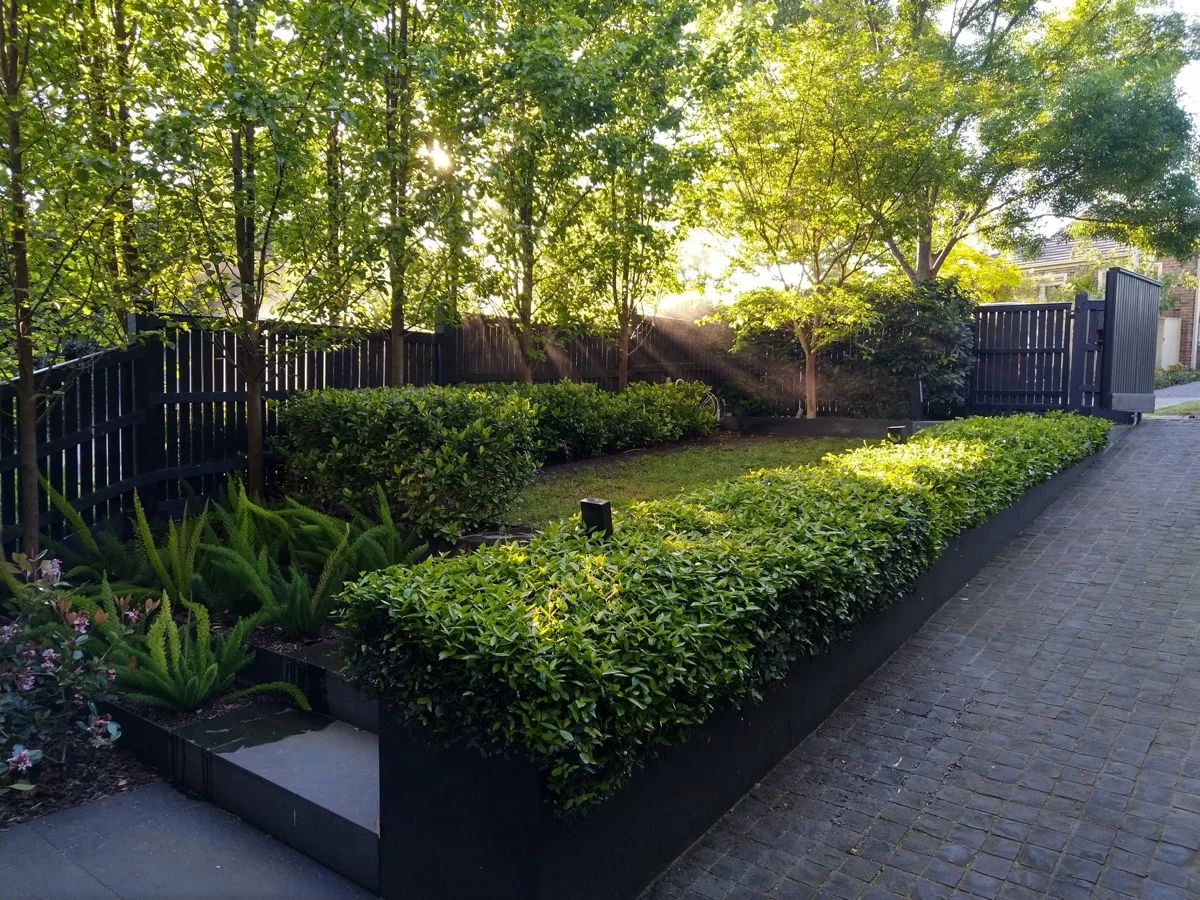
The first thing I prioritise in any garden is the soil. Before planting, before pruning, before anything aesthetic, I want to know what's happening underground. A garden in Balwyn we took on a few years ago had beautiful structure and mature plantings, but everything looked tired. The soil was compacted and depleted. We mulched heavily, fed the beds, and within one spring season the existing plants looked like they'd been replaced. They hadn't. They'd just finally been given what they needed.
What Should You Do in Early Spring? (September)
Week 1-2: Assessment and Preparation
- Walk through your garden and assess winter damage
- Remove protective coverings from tender plants
- Clear fallen leaves and winter debris
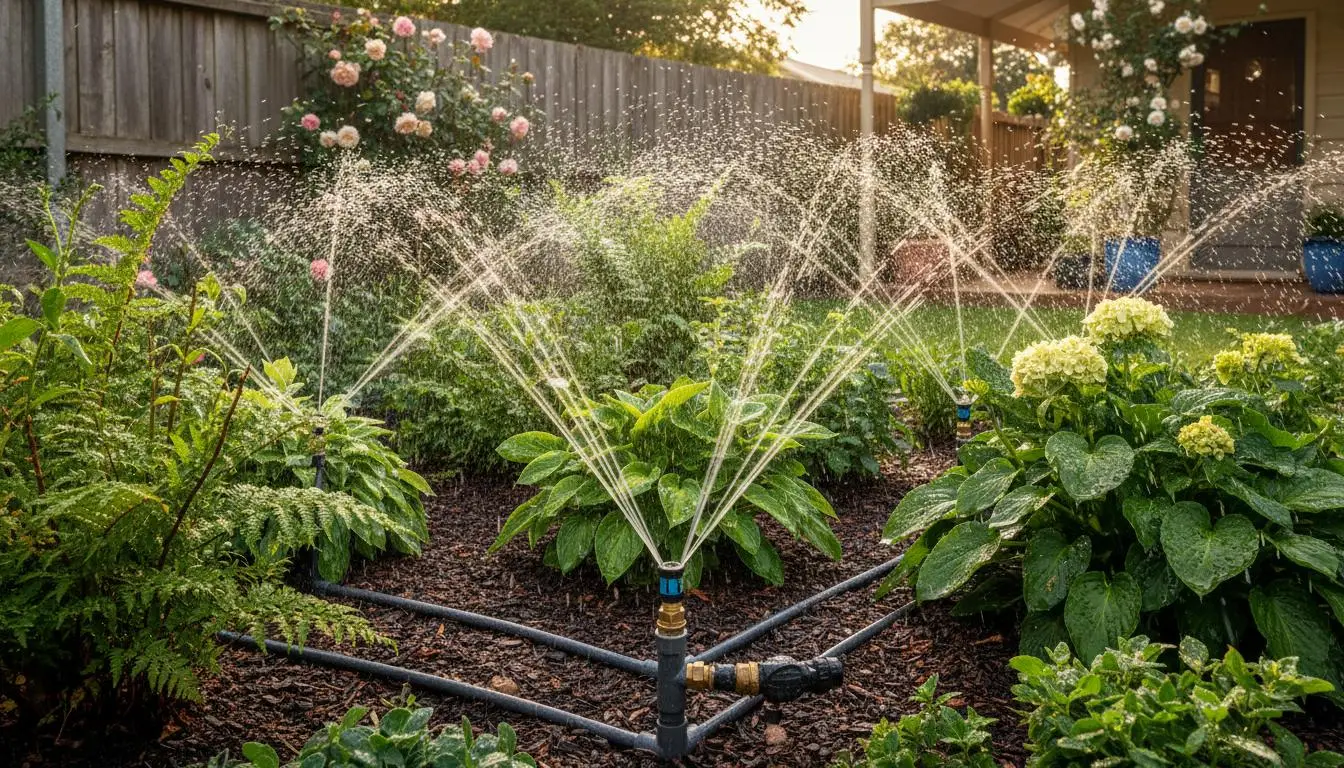
- Check irrigation systems for damage
- Sharpen and clean pruning tools
- Order seeds and seedlings for spring planting
- Prune winter-flowering shrubs after blooming
- Cut back ornamental grasses
- Divide overcrowded perennials
- Apply lime to lawns if needed
- Begin weeding as soon as weeds appear
- Apply first fertiliser application
What's the Focus in Mid Spring? (October)
Week 1-2: Major Planting Time
- Plant summer-flowering bulbs
- Plant new trees, shrubs, and perennials
- Sow vegetable seeds directly in garden
- Transplant seedlings
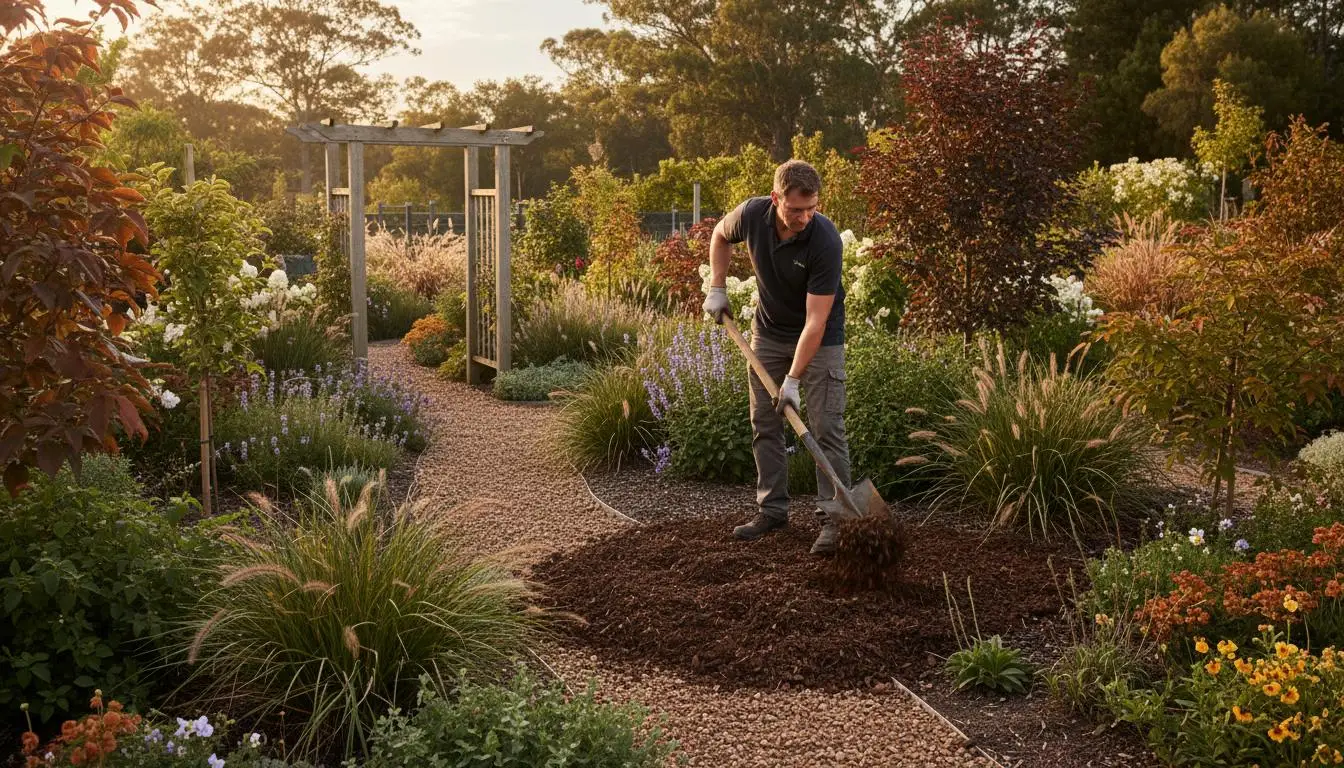
- Mulch all garden beds
- Install supports for climbing plants
- Deadhead spring bulbs after flowering
- Continue regular weeding
- Monitor for pests and diseases
- Water newly planted specimens regularly
- Apply second fertiliser application
- Mow lawns regularly (raise cutting height)
How Do You Prepare for Summer in Late Spring? (November)
Week 1-2: Summer Preparation
- Apply deep mulch layer for summer
- Check and repair irrigation systems
- Install shade cloth for sensitive plants
- Complete major planting
- Apply summer fertiliser
- Begin regular pest monitoring
- Deadhead spent flowers to encourage rebloom
- Continue consistent watering
- Monitor for fungal diseases in humid weather
- Take softwood cuttings for propagation
- Order summer-flowering bulbs for next year
What Should You Prune in Spring?
Shrubs to Prune in Spring:
Immediately after flowering: Camellias, azaleas and rhododendrons, forsythia, flowering quince, winter jasmine.
Light trim in spring: Lavender (avoid cutting into old wood), rosemary, sage and other herbs, box hedges (first trim).
Hard prune in spring: Ornamental grasses, salvias, fuchsias, pelargoniums.
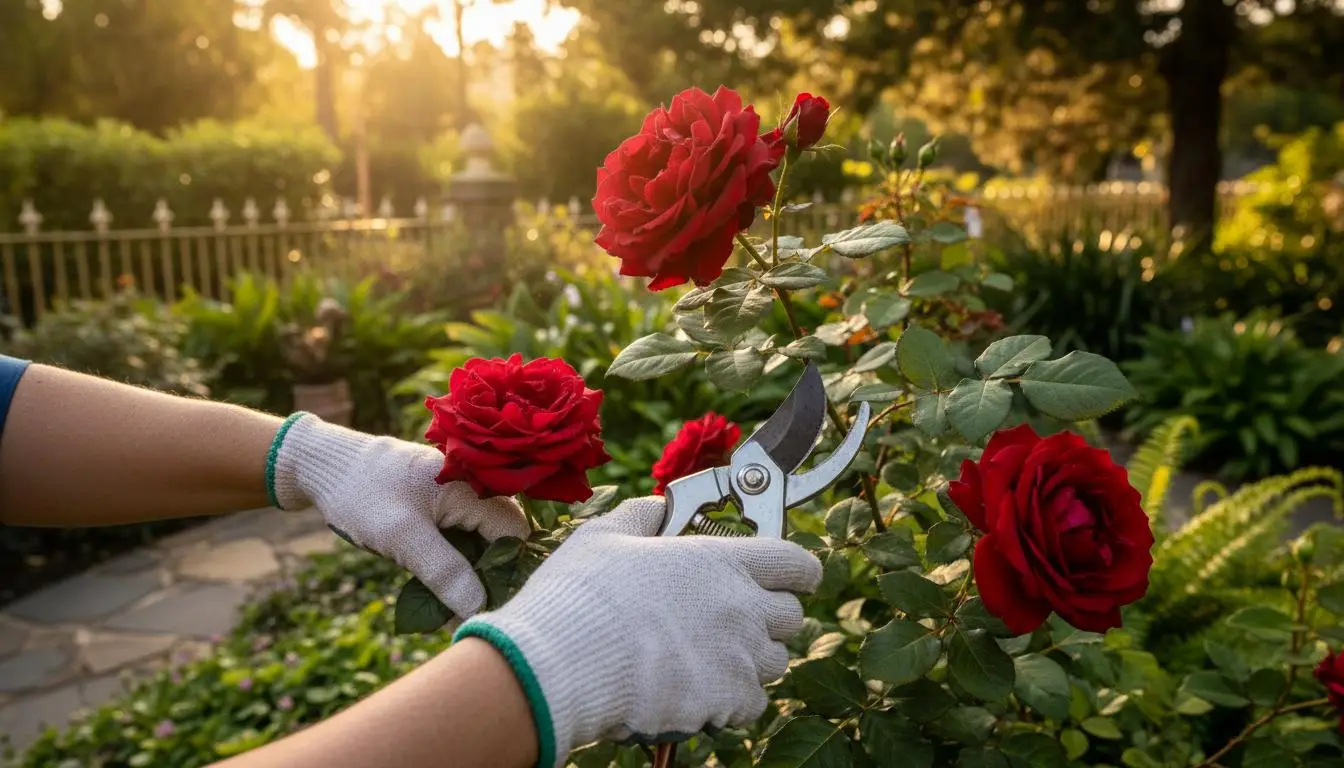
The key with spring pruning is timing it to the individual plant, not the calendar. Camellias, for example, should be pruned as soon as they finish flowering, prune too late and you'll cut off next year's buds, which are already forming.
What Should You Plant in Spring?
Vegetables: Tomatoes (after frost risk passes), capsicums and chillies, cucumbers, beans, zucchini and squash, sweet corn, leafy greens, herbs.
Flowers: Summer annuals (petunias, marigolds, cosmos), dahlias, salvias, echinacea, rudbeckia, sunflowers.
Shrubs and Trees: Deciduous trees (while dormant), evergreen shrubs, citrus trees, native plants, roses.
When Should You Fertilise in Spring?
Early Spring (September): Apply complete fertiliser to all garden beds, trees and shrubs, container plants. Use citrus food for citrus trees, rose food for roses, lawn fertiliser for lawns.
Mid Spring (October): Apply liquid feeds to vegetables (every 2 weeks), annual flowers, container plants. Top up slow-release around perennials and native plants.
Late Spring (November): Apply final fertiliser before heat, focus on potassium for flowering, reduce nitrogen to prevent soft growth. Soft, nitrogen-rich growth heading into a Melbourne summer is asking for trouble, it wilts faster, burns easier, and attracts aphids.
Conclusion
The work you put in between September and November unlocks the rest of the year. A garden that's been properly assessed, weeded, mulched, and fed in spring practically manages itself through summer with the right ongoing maintenance program, and it enters the following autumn in a position of strength rather than recovery. That's the difference between a garden that survives and one that genuinely thrives.

Need Help With Your Garden?
Ready to put this advice into action?
Our diploma-qualified horticulturist and experienced team can help bring your garden vision to life. Book a free consultation to discuss your needs.
No pressure. No obligation. Just a conversation about your garden.