
Local Area Guides
Gardening in Camberwell: What Makes This Suburb Different
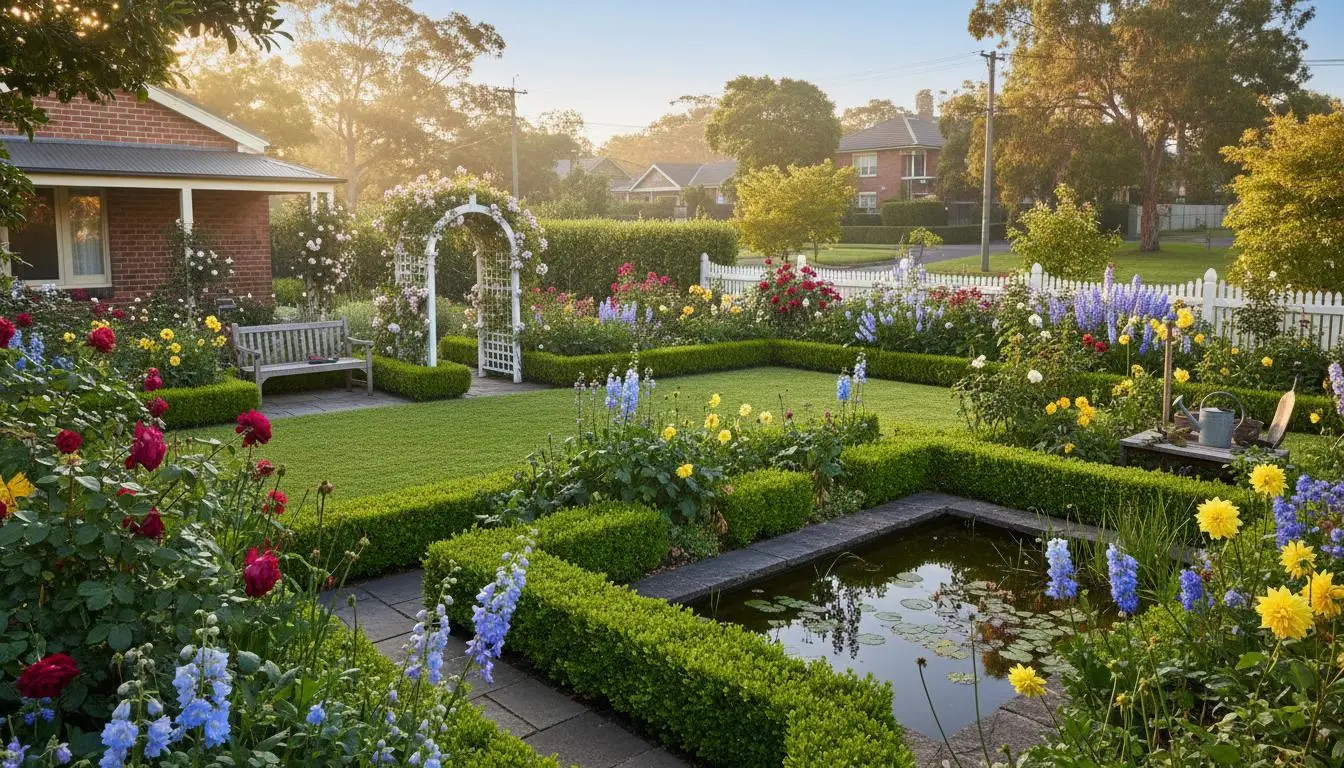
Camberwell gardens sit on some of Melbourne's most interesting soil, under one of its finest tree canopies, in a suburb where heritage overlays shape what you can and cannot do. Here is what 27 years of working there has taught me.
What Makes Camberwell Gardens Different?
Camberwell gardens are shaped by three things that set them apart from most Melbourne suburbs: heritage overlay requirements that protect garden character alongside built form, a mature tree canopy that creates deep shade conditions uncommon in newer suburbs, and soil that varies dramatically within short distances, from free-draining sandy loam to heavy clay pockets near Gardiners Creek. Understanding these local conditions is the foundation of successful garden management here.
I have been working in Camberwell since the late 1990s, not long after founding ABS Horticulture in 1998, and the suburb drew me in early. Partly because Burnley Horticultural College, where I completed my Diploma of Horticulture, sits just to the south, and the area felt like an extension of that world: established trees, considered plantings, gardens that had been tended for generations. But also because Camberwell presents the kind of horticultural complexity that rewards knowledge over brute force. You cannot manage these gardens with a ride-on mower and a line trimmer. You need to understand what you are looking at.
The City of Boroondara, which governs Camberwell, takes its garden heritage seriously. Heritage overlay areas often include garden significance assessments, meaning that the trees, hedging, and garden layout can be as protected as the building itself. This is unusual in Melbourne, as most heritage overlays focus on built form, and it means that garden management in Camberwell requires an awareness of what is historically significant and what can be freely altered. I have worked on properties where removing a particular hedge would have required a planning permit, and others where a mature tree was individually listed. This is not bureaucratic nuisance; it is a reflection of how important gardens are to Camberwell's character.
What Are Camberwell's Soil and Microclimate Conditions?
Camberwell sits on a geological transition zone, the higher ground toward Burke Road tends toward well-drained sandy loam, while the lower areas near Gardiners Creek and its tributaries shift to heavier clay with seasonal waterlogging. This variation means that plant selection and soil management need to respond to specific site conditions rather than suburb-wide generalisations.
The sandy loam that predominates through central Camberwell is genuinely good garden soil. It drains well, holds reasonable moisture, and is easy to work. The slightly acidic pH suits the camellias, azaleas, and rhododendrons that feature prominently in traditional Camberwell gardens. These soils respond well to organic mulching, which improves structure and fertility over time without the pH challenges that can occur when amending heavy clay.
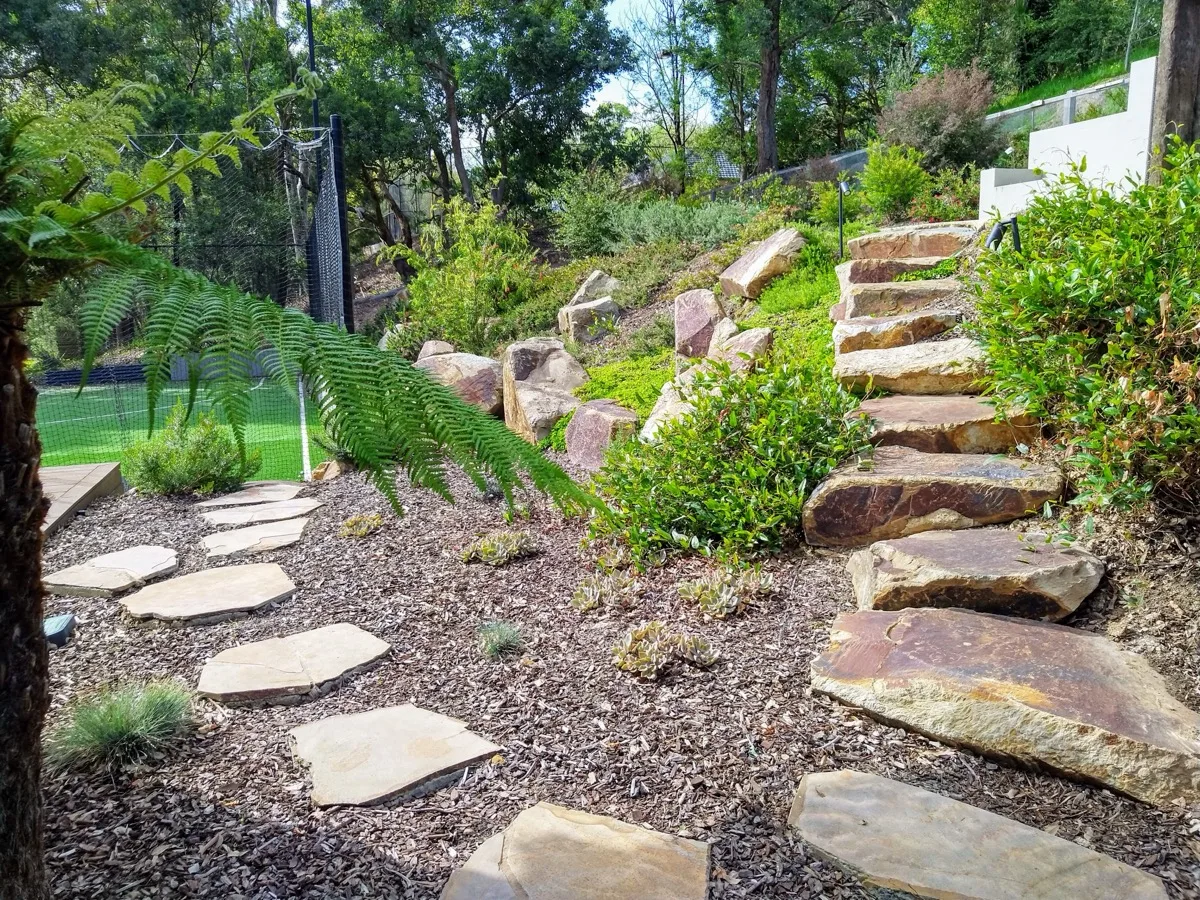
The clay pockets near Gardiners Creek are a different proposition. These soils drain slowly, can become waterlogged in winter, and crack and harden in summer. Plants that thrive in the sandy loam higher up, such as lavender, rosemary, and many native species, will struggle or die in these heavier soils. Conversely, the clay holds moisture and nutrients well, which suits moisture-loving species and large deciduous trees. Understanding which soil you are working with, and it can change within a single property on sloping ground, is essential before selecting plants or designing beds.
Camberwell's established tree canopy creates significant microclimate variation. Streets lined with mature elms, oaks, or plane trees can be several degrees cooler in summer than open areas, and the shade beneath a large tree can extend fifteen metres or more. These shaded microclimates are perfect for woodland-style planting, such as hellebores, clivias, ferns, and hydrangeas (see our full guide to the best plants for Melbourne's eastern suburbs), but will not support plants that need full sun. I always assess light conditions across a full day before recommending plantings, because a garden bed that receives morning sun and afternoon shade requires fundamentally different species than one with the reverse exposure.
How Do You Manage a Heritage Garden in Boroondara?
Heritage garden management in Camberwell starts with understanding the original design intent, what the garden was supposed to be and how it has evolved, then maintaining and restoring that character through skilled ongoing care rather than wholesale renovation. The best heritage gardens are the ones that look as though they have always been this way.
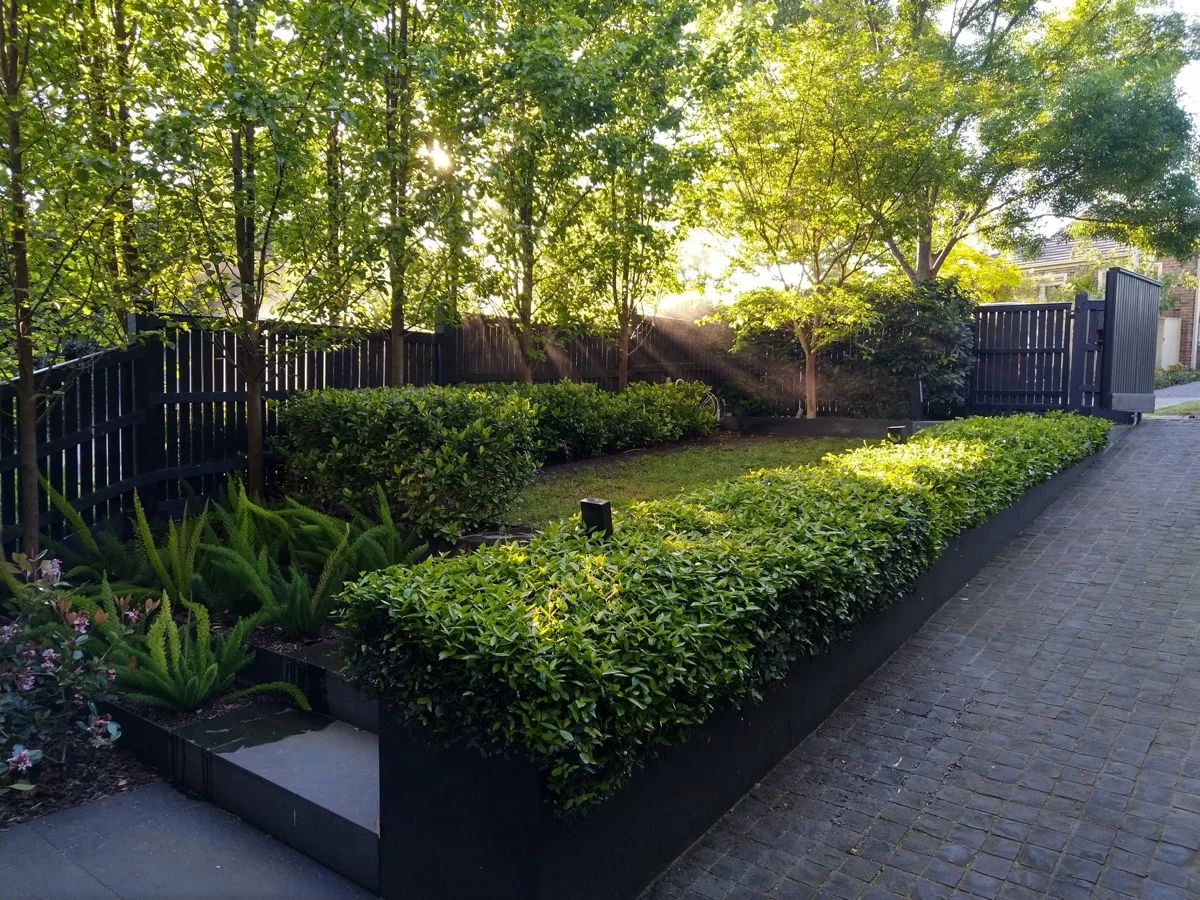
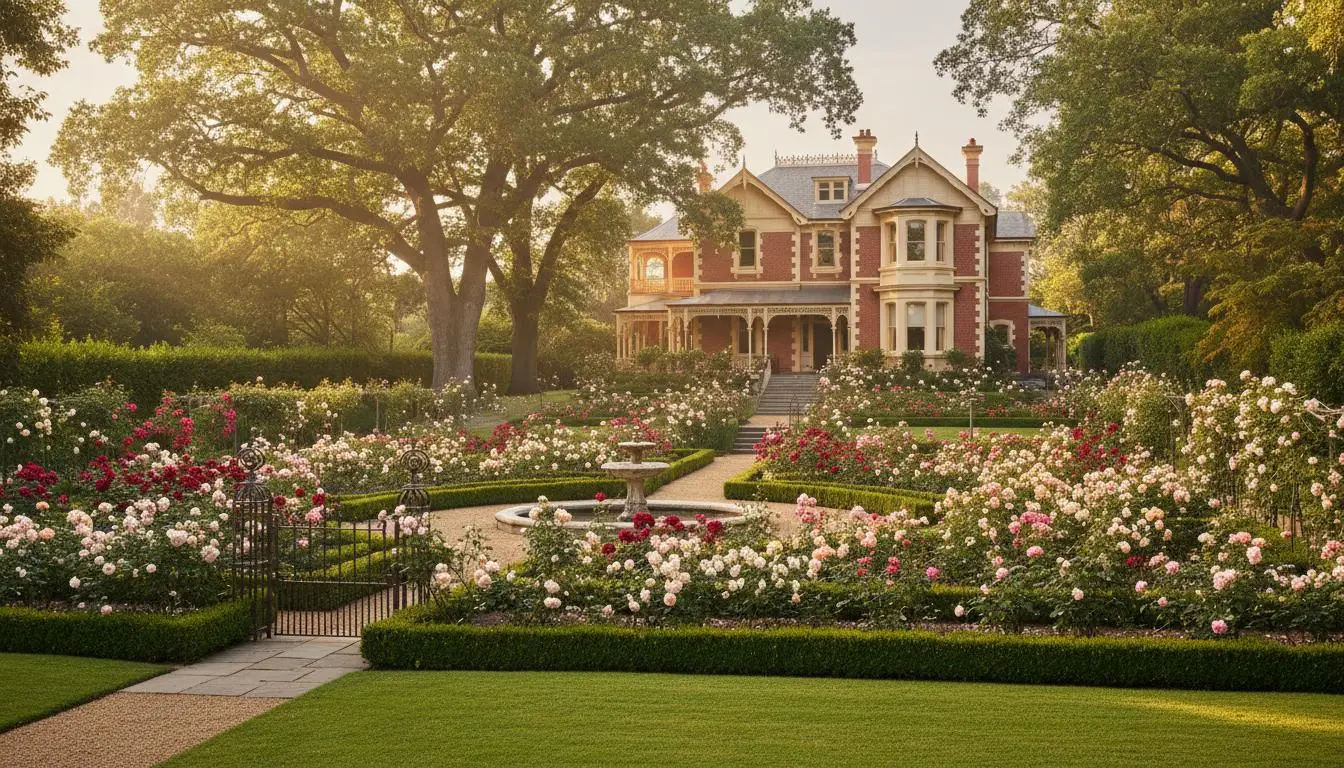
Many Camberwell gardens were established during the Edwardian and interwar periods, roughly 1900 to 1940. These gardens typically feature formal structure near the house, with clipped hedging, symmetrical planting, and defined lawn edges, transitioning to more naturalistic planting toward the boundaries. The front garden was a public statement; the rear garden was private and often productive. Recognising and respecting this structure matters more than the specific plants, because individual plants can be replaced while the design framework is much harder to rebuild once lost.
Mature trees are the most valuable and irreplaceable element of any heritage garden. A hundred-year-old oak or elm cannot be replaced in a human lifetime, and these trees anchor the entire garden's character. Managing them requires a light touch: careful deadwood removal, crown lifting where clearance is needed, and structural pruning only when safety requires it. I engage qualified arborists for significant tree work, this is not something that should be attempted without proper assessment and insurance.
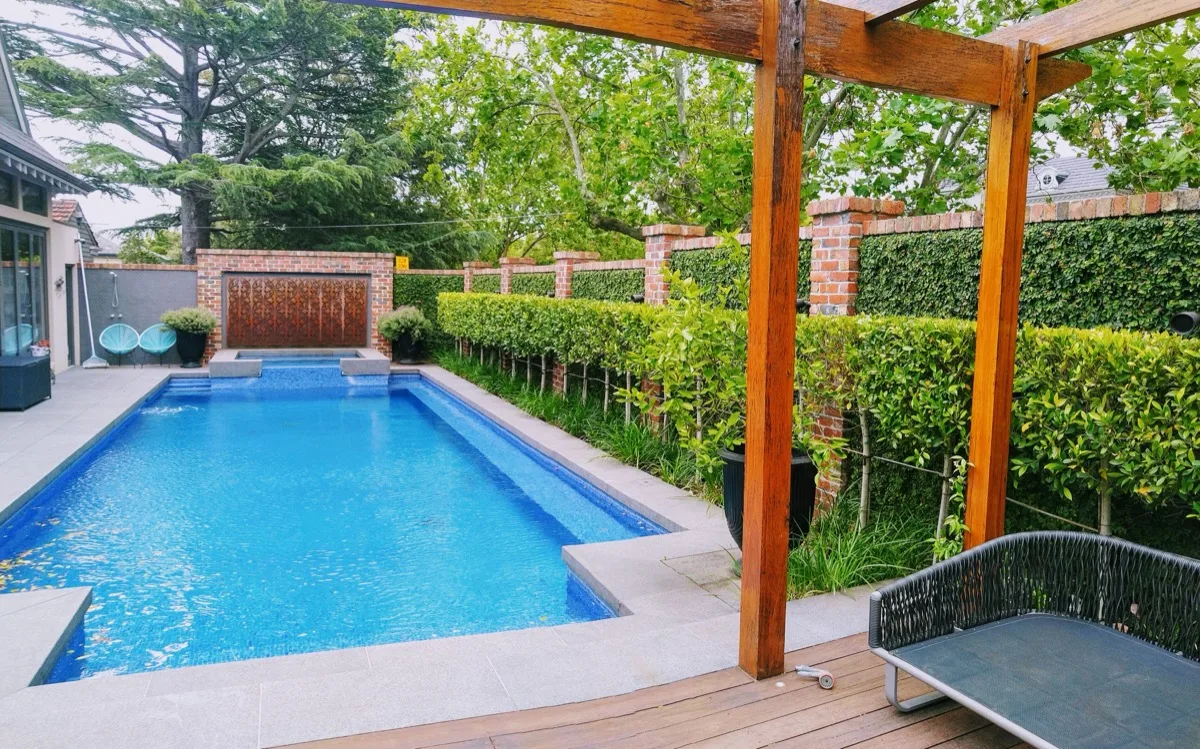
Heritage hedging, particularly English box (Buxus sempervirens), is a defining feature of many Camberwell gardens. These hedges may be decades old, and they require specific maintenance: two to three clips per year to maintain dense growth, attention to the base to prevent bare patches, and monitoring for box blight or box moth caterpillar, both of which have become more prevalent in Melbourne in recent years. A well-maintained box hedge has a formality and density that no young planting can replicate, which makes it worth the care required.
Restoration of neglected heritage gardens through our garden clean-up service is some of the most rewarding work I do. The bones of the original garden, the trees, the layout, the hard landscaping, are usually still there beneath years of overgrowth or inappropriate alteration. Peeling back those layers to reveal the original structure, and then managing it with the care it deserves, gives you a garden with a depth and presence that no new design can match.
Which Plants Thrive in Camberwell?
The plants that perform best in Camberwell are the ones that match both the soil conditions and the light levels of their specific position, and in a suburb with so much variation in both, the right plant in the right place matters more here than almost anywhere else I work.
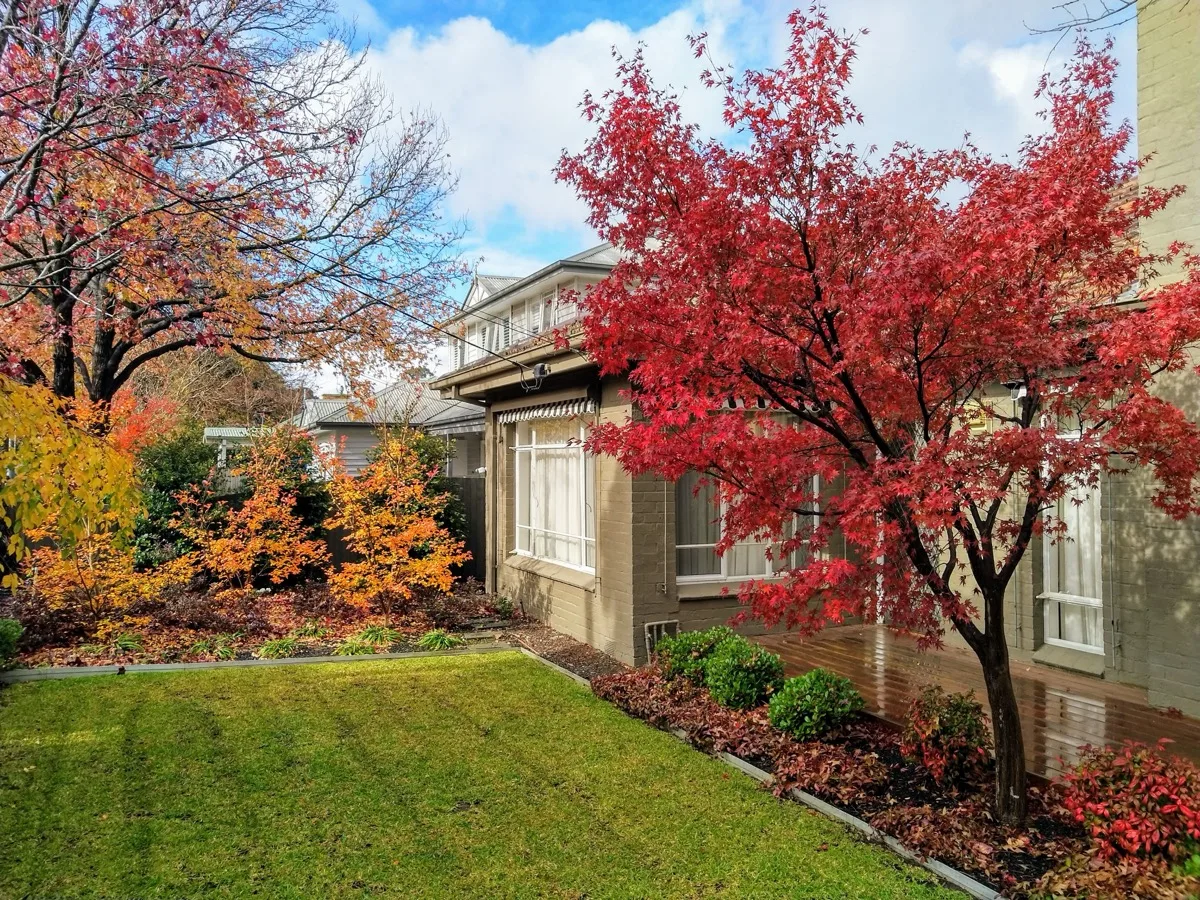
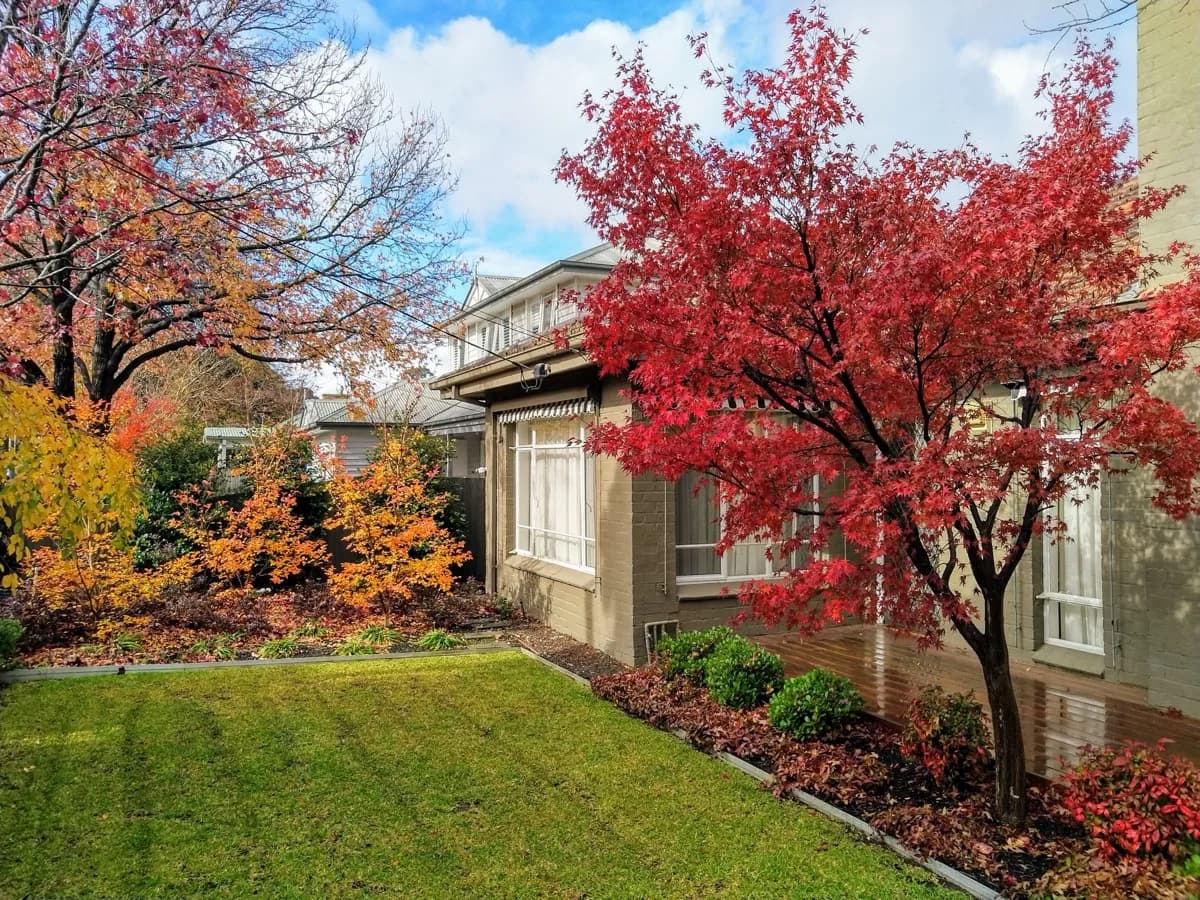
For the shaded gardens beneath Camberwell's tree canopy, which account for a significant proportion of the gardens I manage here, the standout performers are consistent year after year. Japanese maples (Acer palmatum) are superbly suited to Camberwell's conditions, they prefer the dappled shade that mature trees provide, they thrive in the slightly acidic sandy loam, and their seasonal colour progression from spring through autumn is one of the great pleasures of a Camberwell garden. I position them where they receive morning sun and afternoon shade, protected from the hot northerly winds that can scorch their delicate foliage.
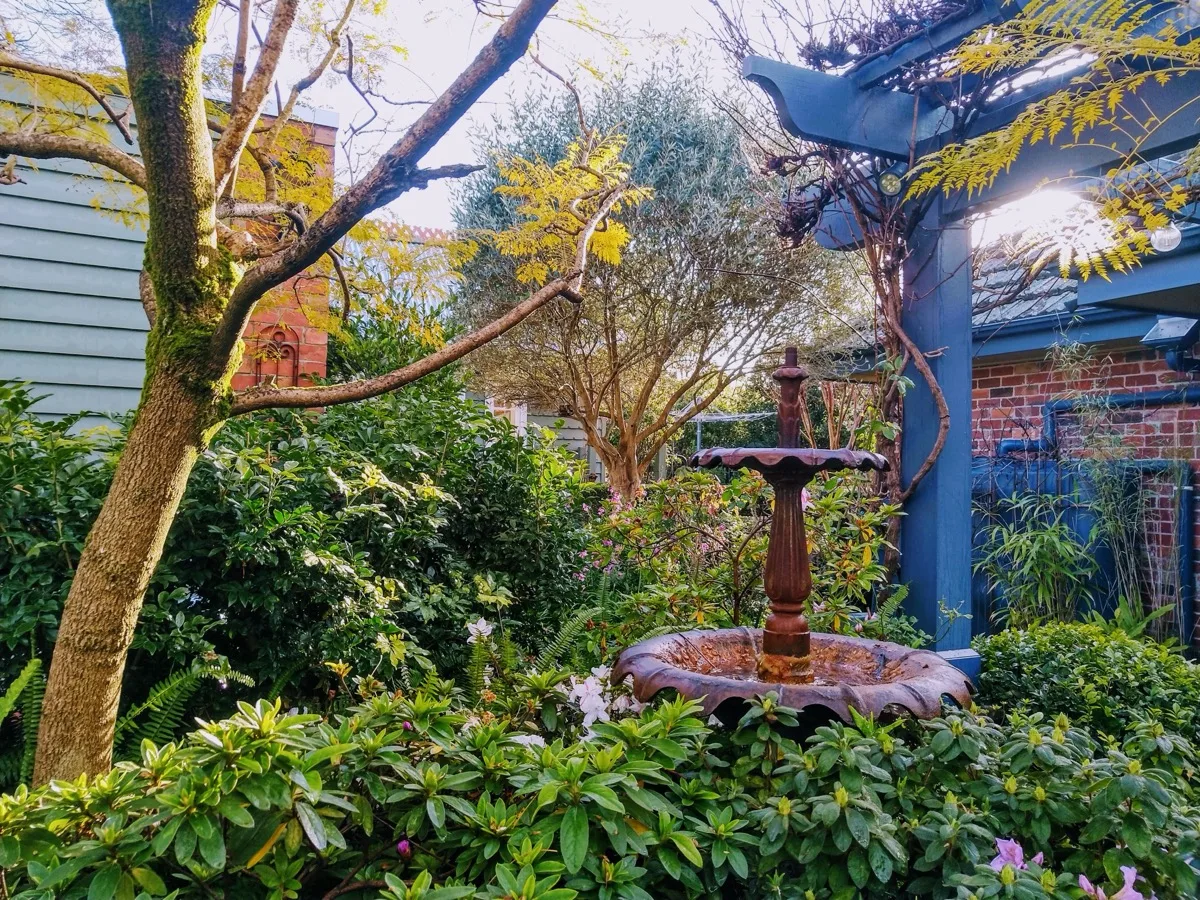
Camellias and azaleas are the backbone of many Camberwell gardens, and with good reason. They are perfectly adapted to the local conditions: shade-tolerant, suited to acidic soils, evergreen, and they flower during the quieter winter and spring months when the deciduous trees above them are bare. A well-established camellia can be thirty or forty years old and still performing beautifully with minimal care beyond annual mulching and occasional shaping.
For sunnier positions, such as north-facing beds, open lawn borders, and the front gardens of properties without heavy tree cover, the palette shifts toward Mediterranean and cottage garden species. Roses, both heritage varieties and David Austin English roses, perform well in Camberwell's loamy soil with good drainage. Lavender, salvia, and ornamental grasses work where drainage is reliable. In the clay-influenced lower areas, I lean toward species that tolerate wet feet in winter: Cornus (dogwood), Hydrangea quercifolia (oak-leaf hydrangea), and moisture-tolerant native species like Lomandra longifolia.
How Do You Garden Under Camberwell's Mature Tree Canopy?
Gardening under large trees requires accepting that you are working within someone else's conditions, the tree was there first, its root zone extends far beyond its canopy drip line, and any planting beneath it is sharing water and nutrients with a much larger organism. Success comes from working with this reality rather than fighting it.
The most common mistake I see in Camberwell is trying to establish sun-loving plants under mature trees. It happens frequently on properties that change hands, anew owner arrives, does not yet understand the shade patterns across the seasons, and plants a front garden full of sun-dependent species that struggle through their first summer as the canopy leafs out and shade deepens. By the second year, they are leggy and underperforming; by the third, most have died.
Instead, I plan understory planting that genuinely thrives in shade. Clivias are almost indestructible under trees in Camberwell, they tolerate deep shade, dry conditions, root competition, and neglect, and they flower reliably in spring with minimal care. Hellebores provide winter and early spring colour when little else is flowering. Liriope and mondo grass form dense ground covers that suppress weeds without competing seriously with tree roots. Native violets (Viola hederacea) spread to form a soft, flowering carpet in moist shade.
Water management under trees is important. A large deciduous tree can absorb hundreds of litres per day during summer, and the garden beds beneath it will be significantly drier than exposed beds receiving the same rainfall. Mulching is essential, itreduces evaporation from the soil surface, which matters even more in root-competitive zones. Research published in Frontiers in Agronomy in 2024 found that organic mulch can reduce soil evaporation by up to 50 percent, and in tree-root-competitive zones that moisture retention can mean the difference between plants that thrive and plants that merely survive.
What Does a Year of Garden Management Look Like in Camberwell?
Garden management in Camberwell follows Melbourne's seasons, but the suburb's specific conditions, including the deciduous canopy, the heritage plantings, and the autumn leaf volume, create a rhythm that is distinctly local. Here is how I approach it.
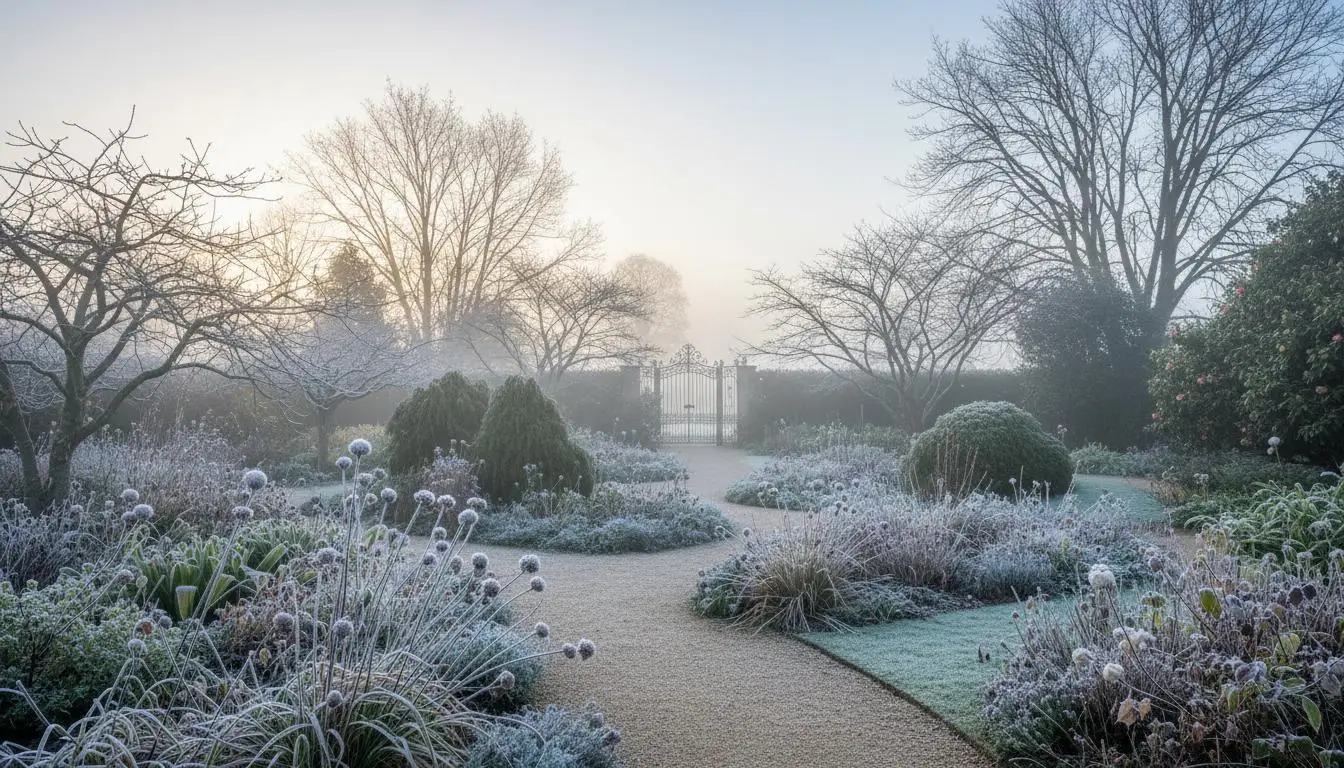
Late winter (July to August) is the most intensive period. This is when the major structural pruning happens: roses are pruned hard in late June to early July, deciduous trees are assessed and managed while dormant, hedges receive their first clip of the year, and perennial borders are cut back to make way for spring growth. In heritage gardens, this is also when I assess the year ahead, noting any trees that need arborist attention, planning for replacements of any plants lost over winter, and scheduling the spring mulching.
Spring (September to November) is planting season and the moment when a well-managed Camberwell garden comes alive. The camellias and azaleas flower under the still-bare deciduous canopy, bulbs push through the mulch, and the garden has that quality of light that only happens when sunshine filters through branches that are just beginning to leaf out. This is when I install new plantings, the soil is warm, moisture is reliable, and plants have a full growing season ahead to establish.
Summer (December to February) shifts the focus to water management. Melbourne's watering rules allow irrigation systems to operate between 6 pm and 10 am only, with hand-held watering using a trigger nozzle permitted any time (Melbourne Water). In Camberwell, where many gardens have established plants with deep root systems, supplementary deep watering during extended dry spells is more important than frequent light watering. Deadheading roses and perennials, monitoring for pests, and maintaining lawn edges keep the garden presenting well through the warm months.
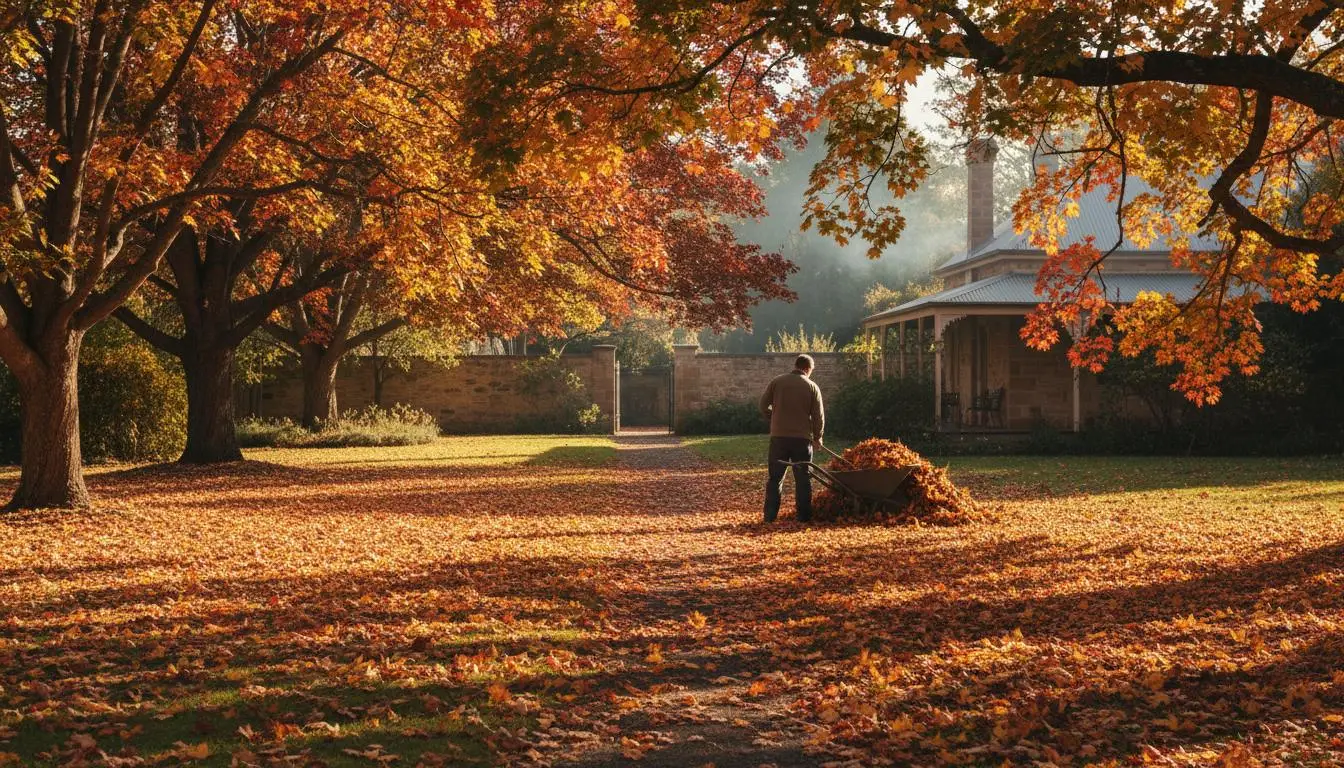
Autumn (March to May) is defined by leaf fall in Camberwell. The suburb's magnificent deciduous trees, the elms, oaks, liquidambars, and maples, produce an enormous volume of leaves, and managing this is a significant part of autumn garden care. Leaves left on lawns will smother the turf; leaves left in garden beds can mat and shed water. I clear leaves from lawns and hard surfaces but leave a moderate layer on garden beds where it serves as natural mulch, topping up with coarse chip mulch where coverage is thin. Autumn is also the ideal window for planting, the soil is warm, the rain is returning, and new plants have winter and spring to establish before their first summer.
The Privilege of Place
Camberwell is not just another suburb on a maintenance run. It is a place where horticulture has mattered for well over a century, where gardens are part of the streetscape in a way that most of Melbourne has moved away from, and where the tree canopy creates an environment that feels distinctly different from the suburbs around it.
Working here has taught me more about shade gardening, heritage management, and the value of patience than any textbook. To learn about our approach, visit our Camberwell garden maintenance page. Some of the gardens I manage in Camberwell have been tended continuously for longer than I have been alive. The best thing I can do is keep that going, carefully, knowledgeably, and with respect for what came before.
Need Help With Your Garden?
Ready to put this advice into action?
Our diploma-qualified horticulturist and experienced team can help bring your garden vision to life. Book a free consultation to discuss your needs.
No pressure. No obligation. Just a conversation about your garden.