

Service Guides
How Often Should Garden Maintenance Be Done? (Monthly vs Fortnightly)
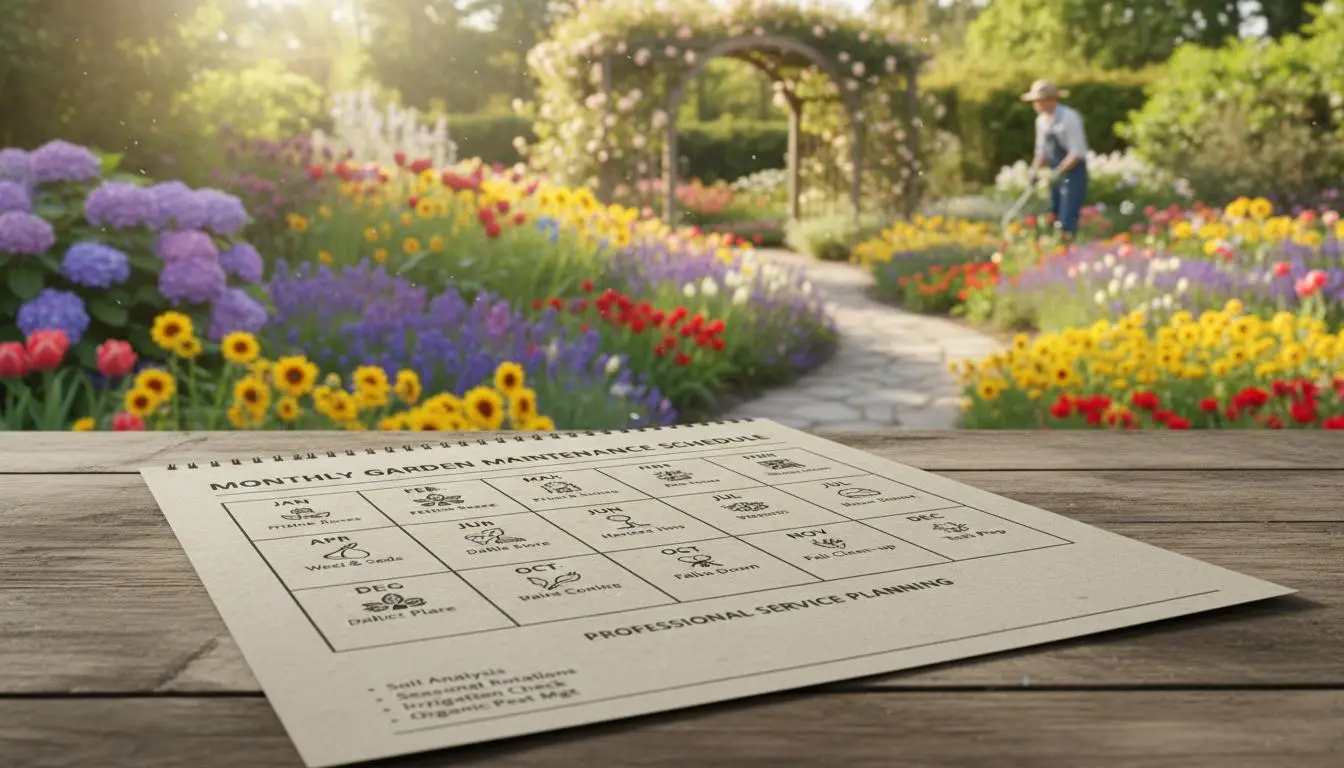
Monthly garden maintenance suits most established Melbourne gardens. Here's how to decide between monthly and fortnightly based on your garden type, plants, and seasons.
How Often Does a Garden Really Need Professional Care?
Most established gardens in Melbourne's eastern suburbs thrive on monthly professional maintenance. In 27 years of managing gardens from Camberwell to Canterbury, I've found that a well-structured monthly visit, typically four to six hours, keeps the vast majority of gardens healthy, tidy, and moving in the right direction. Fortnightly suits certain gardens and certain seasons, but monthly is where most of my long-term clients settle.
The real question isn't how often someone visits your garden. It's whether each visit is thorough enough to carry the garden through to the next one. A rushed fortnightly visit can actually produce worse results than a comprehensive monthly session where every bed, border, and hedge gets proper attention.
When Does Monthly Maintenance Work Best?
Monthly maintenance works best for established gardens with good bones, the kind of garden where the structure is already in place, the plants are mature, and the design carries itself between visits. That describes most properties I manage across Hawthorn, Surrey Hills, and Kew.
On a monthly visit, my team works through the entire garden systematically. We handle all the pruning, weeding, edging, mulch management, and seasonal tasks in one thorough session. Because we're covering everything each time, nothing gets left to compound. A weed that's been growing for three weeks is still easy to manage. A weed that's been growing for three months is a different problem entirely.
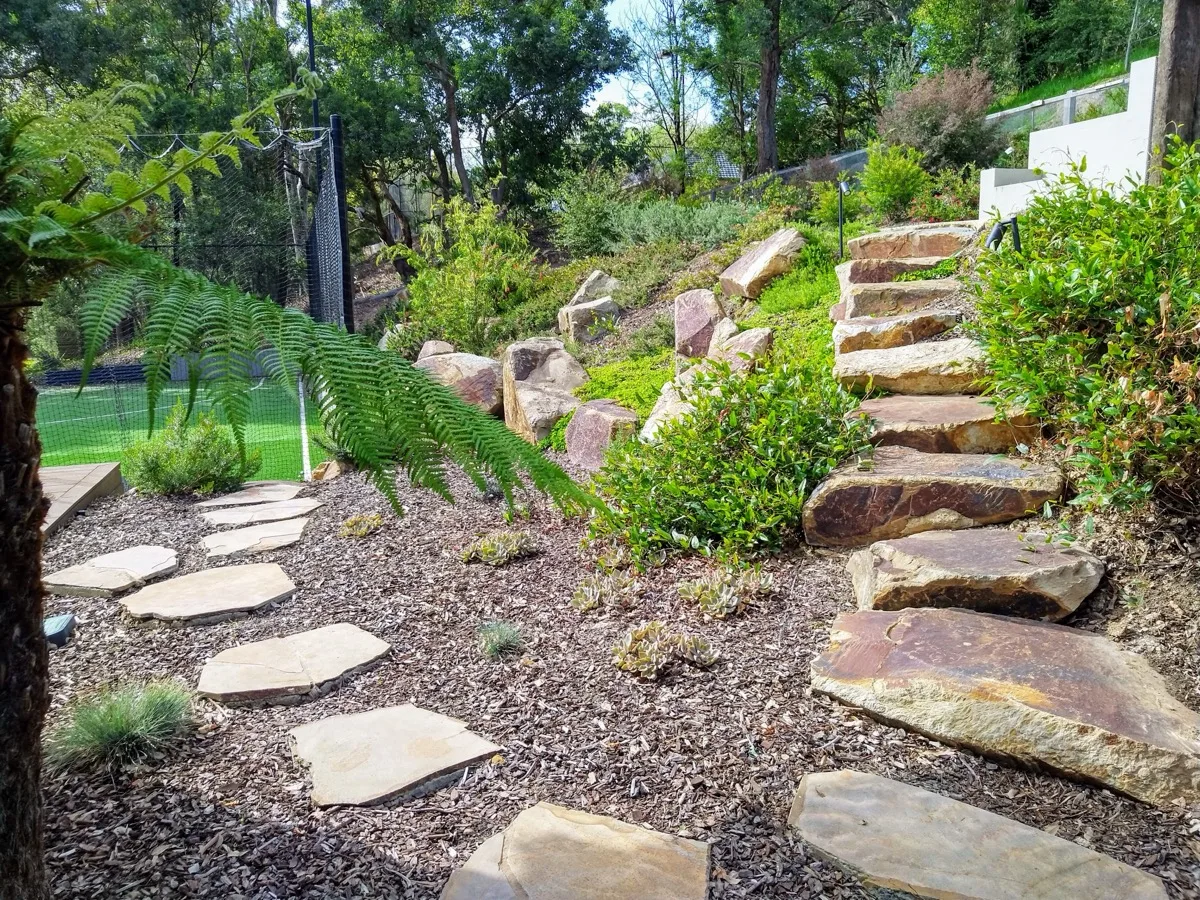
Monthly also suits gardens planted predominantly with Australian natives or drought-tolerant species. These plants grow at a measured pace and don't demand constant intervention. A well-designed native garden in Glen Iris I've managed for over a decade looks consistently beautiful on monthly visits because the plant selection was right from the start.
The key advantage of monthly is efficiency. Four concentrated hours of professional care achieves more than people expect, and the garden has time between visits to grow naturally without looking neglected.
When Should You Consider Fortnightly Visits?
Fortnightly maintenance makes sense in specific situations, and I'm always honest with clients about when it's genuinely necessary versus when monthly would serve them just as well.
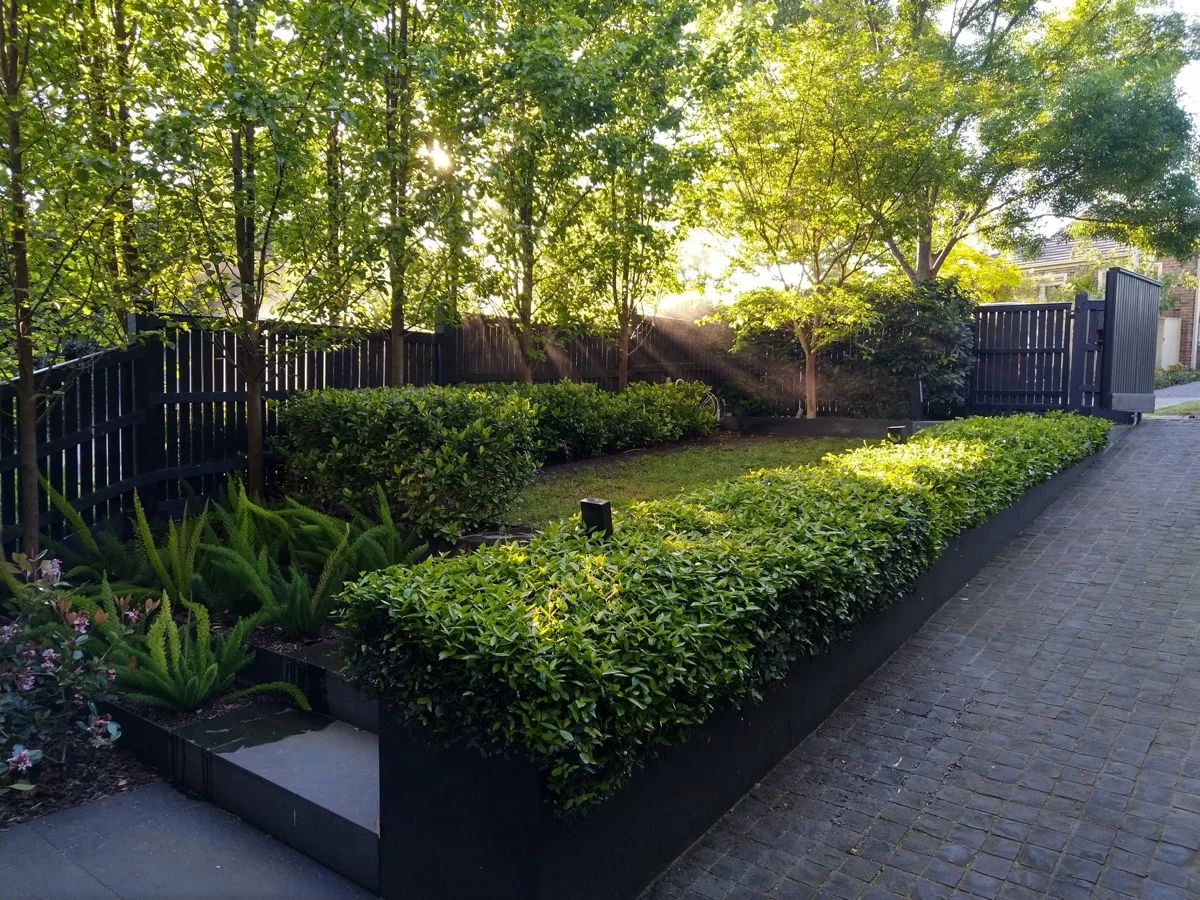
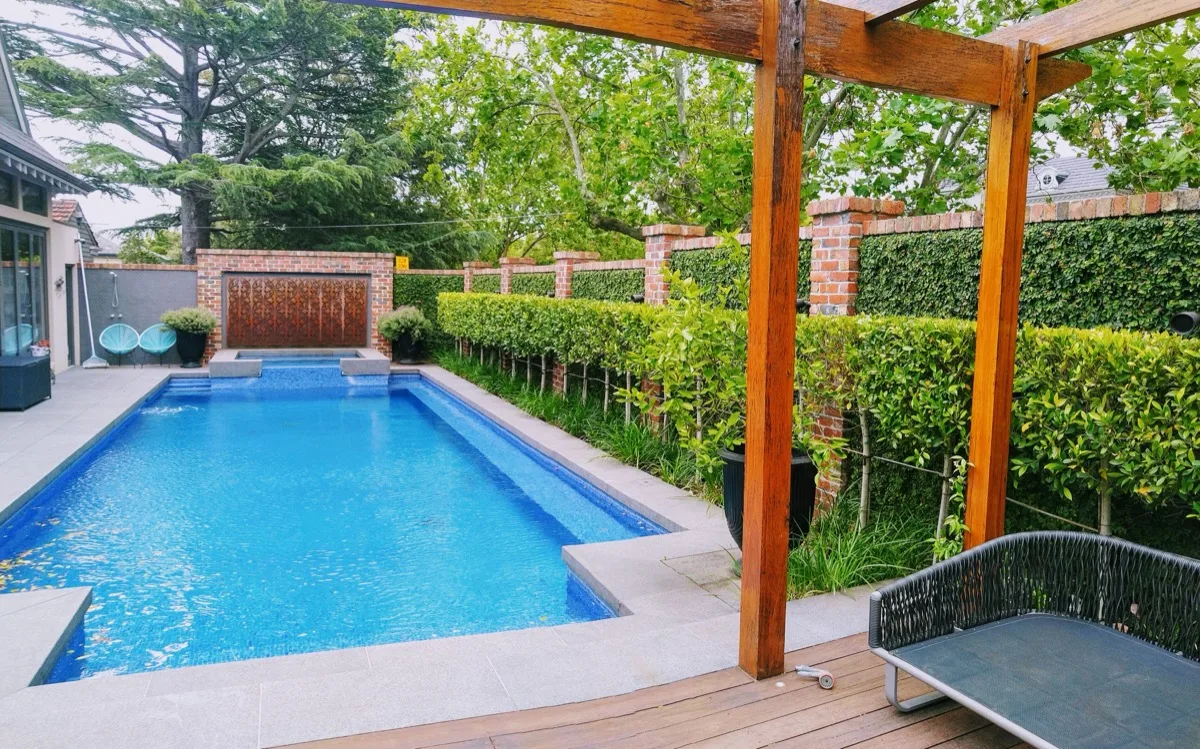
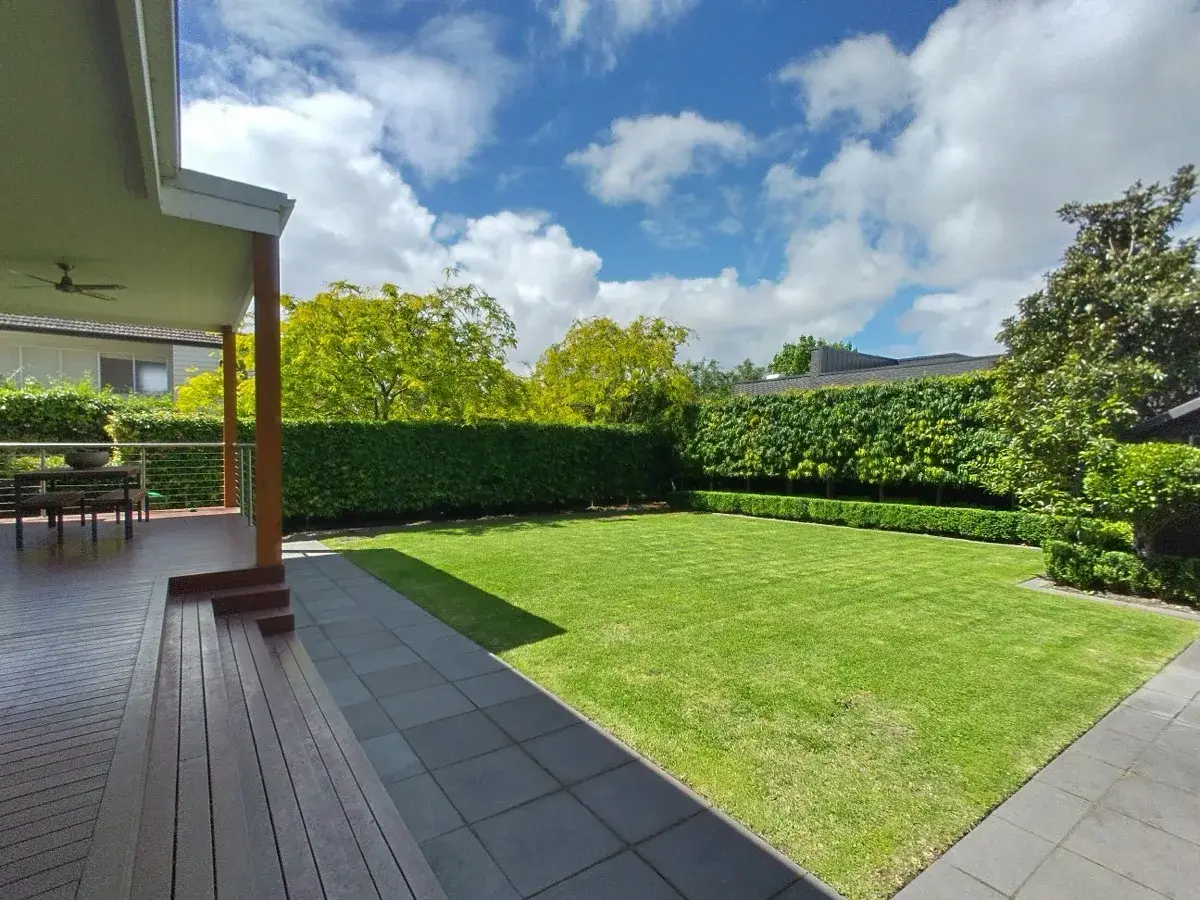
Large gardens with extensive formal plantings are the clearest case. If a property has significant hedging, multiple rose beds, and structured borders, fortnightly visits allow us to rotate our focus, hedges one visit, detailed bed work the next, while keeping the overall presentation consistently high. A garden in Canterbury I visit fortnightly has over sixty metres of box hedging alone. Monthly wouldn't keep that sharp enough for the owner's standards.
Newly planted gardens also benefit from fortnightly attention in their first year. Young plants need closer monitoring, checking that irrigation is reaching root zones, that staking is holding, that early pest issues are caught before they set plants back. Once the garden establishes, most clients move to monthly without any drop in quality.
Properties where presentation is genuinely critical, such as homes that entertain frequently, or gardens visible from key living spaces, can justify the investment. The difference between a garden managed monthly and one managed fortnightly is subtle most of the year, but during the peak growing months of October through March, fortnightly keeps things noticeably crisper.
What Actually Determines the Right Frequency?
I assess four things when recommending a maintenance frequency, and none of them is budget, that's the client's decision to make, not mine.
What's planted? High-maintenance plants like hybrid tea roses, formal hedges, and seasonal annuals need more frequent attention than camellias, native shrubs, or established perennial borders. A garden full of lavender and westringia genuinely needs less intervention than one with fifty David Austin roses.
How large is the space? There's a practical threshold where a single monthly visit becomes too long to be efficient. If a garden requires more than six hours in a single session, splitting that into two fortnightly visits of three to four hours often produces better results. The team stays sharper, and no section gets rushed at the end of a long day.
What's the soil doing? This one surprises people, but soil type significantly affects growth rates and therefore maintenance needs. The heavy clay through parts of Balwyn and Glen Iris holds moisture and nutrients differently from the better-drained soils in Canterbury and Surrey Hills. Gardens on rich, moisture-retentive soil grow faster and weed more aggressively, sometimes tipping the balance toward fortnightly.
What's the sun exposure? North-facing gardens with full sun grow faster in spring and summer than shaded south-facing properties. I manage a couple of gardens barely two streets apart in Hawthorn, one north-facing and one heavily shaded by mature elms, and they need quite different schedules despite being similar in size.
Can You Shift Frequency with the Seasons?
This is what I recommend more than anything else, and it's how many of my longest-standing clients operate. Melbourne's seasons create genuinely different demands on a garden.
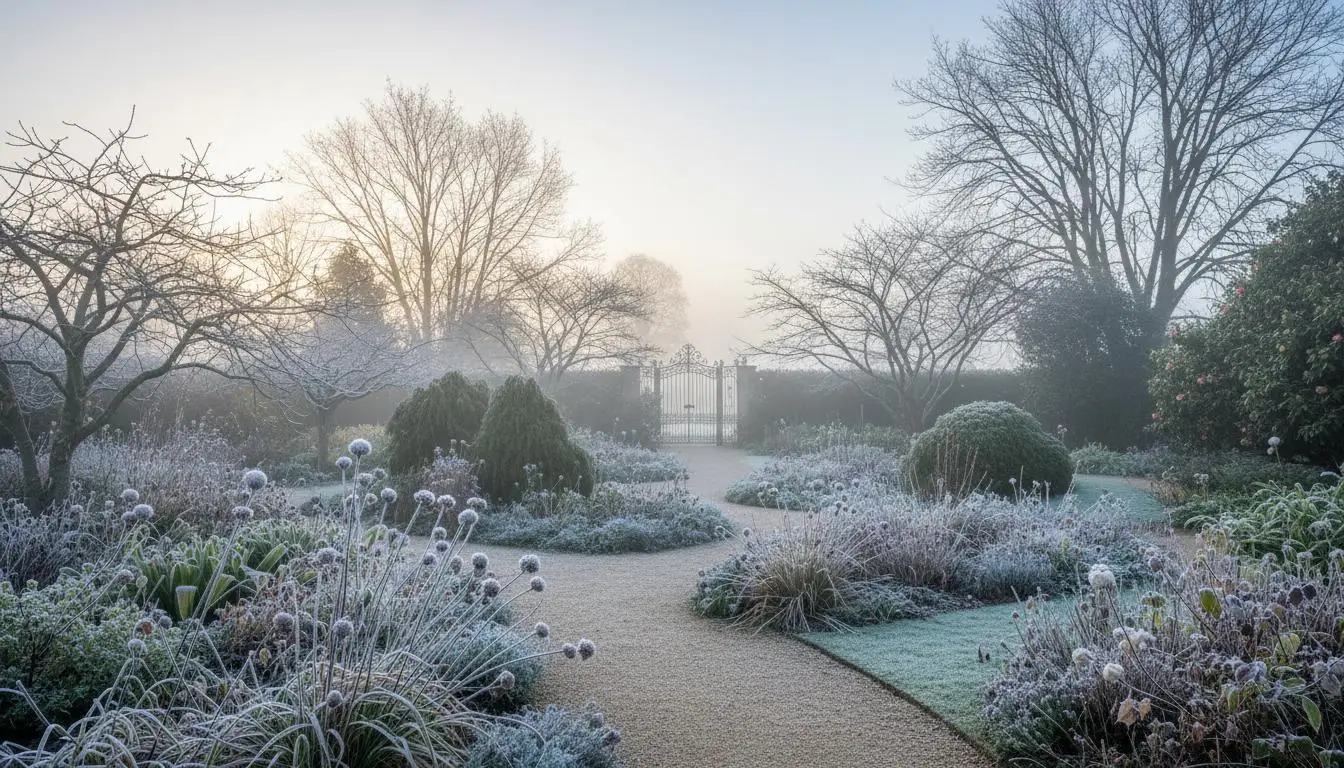
Winter, roughly June through August, is the quietest period. Growth slows dramatically, weeds ease off, and the main tasks are structural pruning, mulch top-ups, and winter clean-ups. Monthly is almost always sufficient, and some established gardens can even stretch to six-weekly visits through the coldest months without any issues.
Spring changes everything. From September onward, growth accelerates rapidly, weeds germinate in force, and the garden needs more intervention to stay ahead of the curve. This is where shifting to fortnightly for October through March makes a real difference. The garden stays consistently well-presented through the period when you're most likely to be using your outdoor spaces.
I've had clients on this seasonal approach for years, and it balances results with value beautifully. You get the intensive care when the garden is growing hardest and the lighter touch when nature slows down.
How Does Garden Style Affect Maintenance Frequency?
Garden style matters more than most people realise when choosing a maintenance schedule.
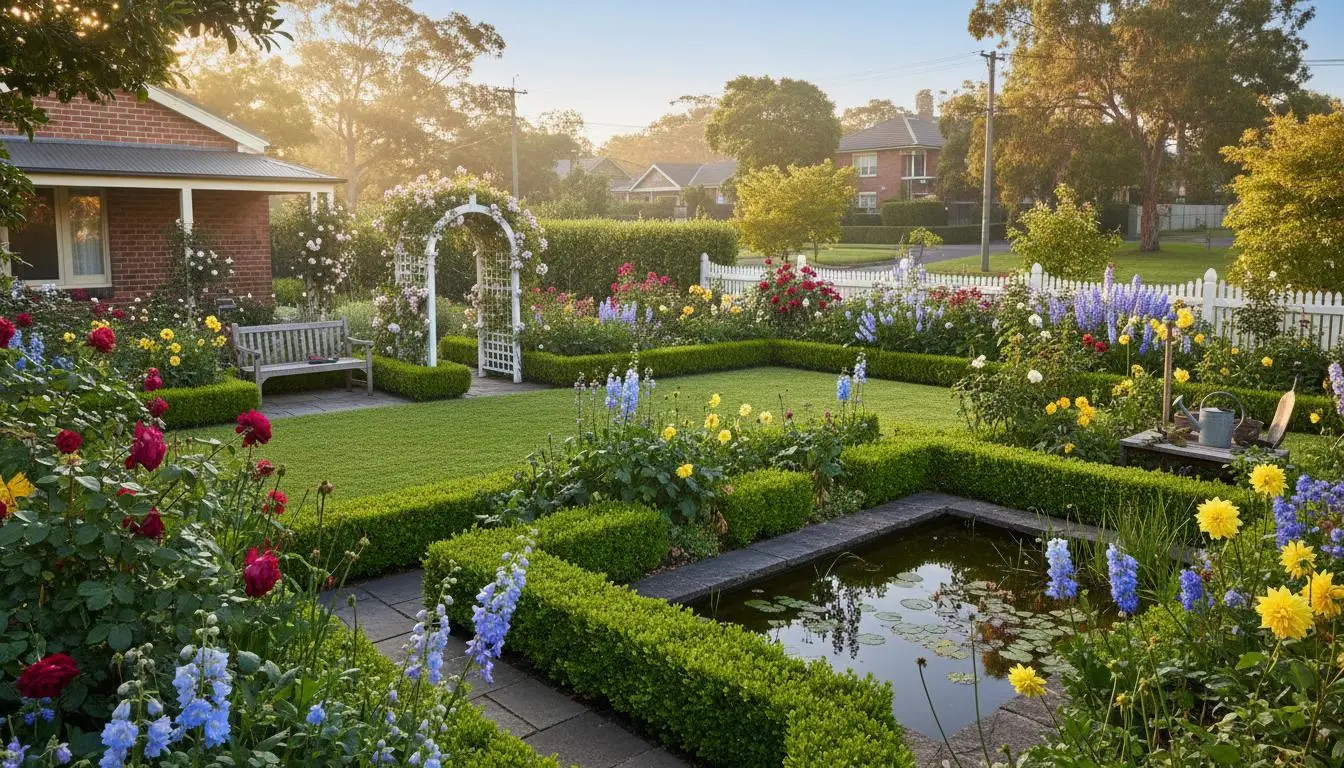
Formal gardens with clipped hedges, structured plantings, and symmetrical design need fortnightly maintenance to look their best. The precision these gardens demand means even two weeks of unmanaged growth can soften lines and blur edges. If you've invested in a formal garden, fortnightly care is part of what makes it work.
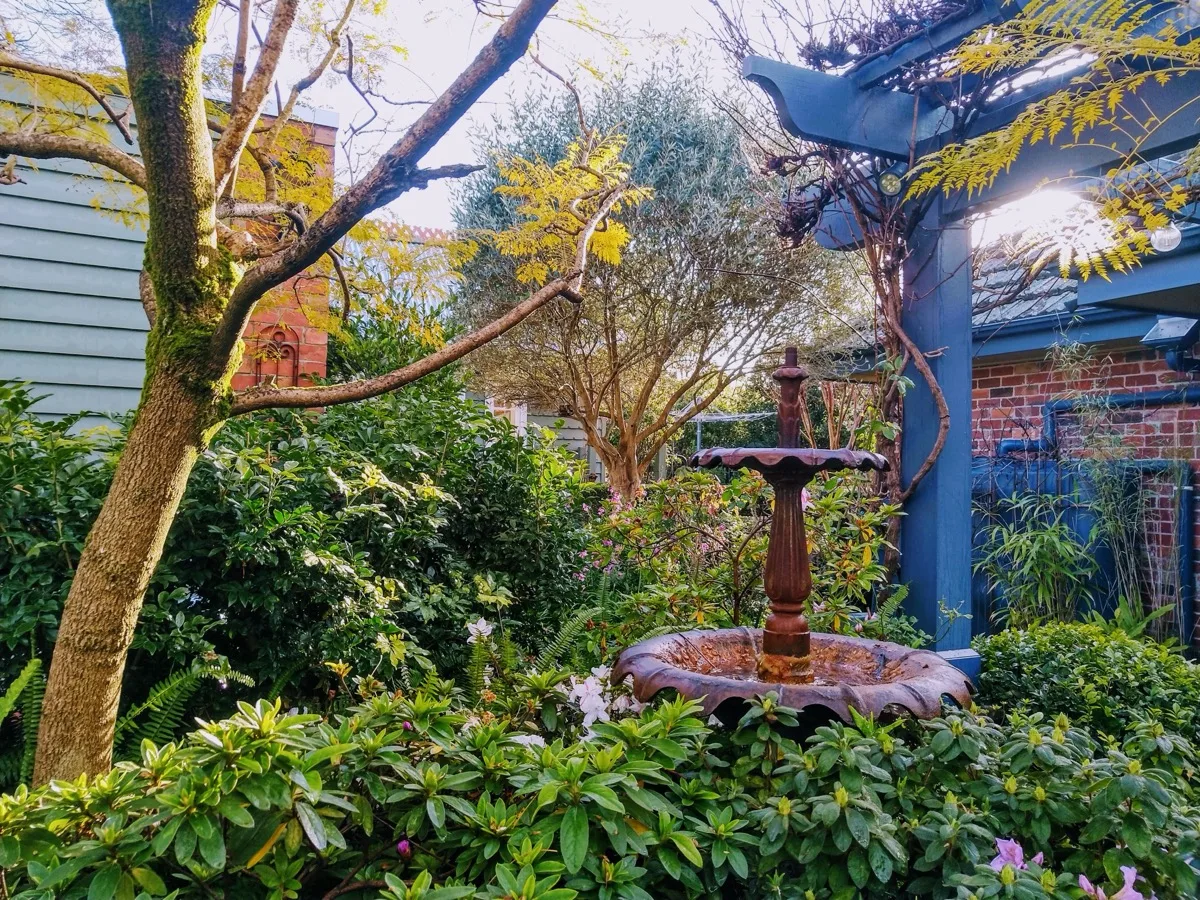
Cottage-style gardens are the opposite. Their charm comes from a certain looseness, with plants spilling over edges, self-seeded flowers appearing in unexpected places. Monthly maintenance actually suits this style better because it allows that natural movement between visits. Over-managing a cottage garden kills its character.
Native and naturalistic gardens are generally the lowest-maintenance style for Melbourne conditions. Once established, most Australian natives grow at a manageable pace and don't require frequent intervention. Monthly visits focused on weed management, selective pruning, and mulch maintenance keep these gardens thriving with minimal fuss.
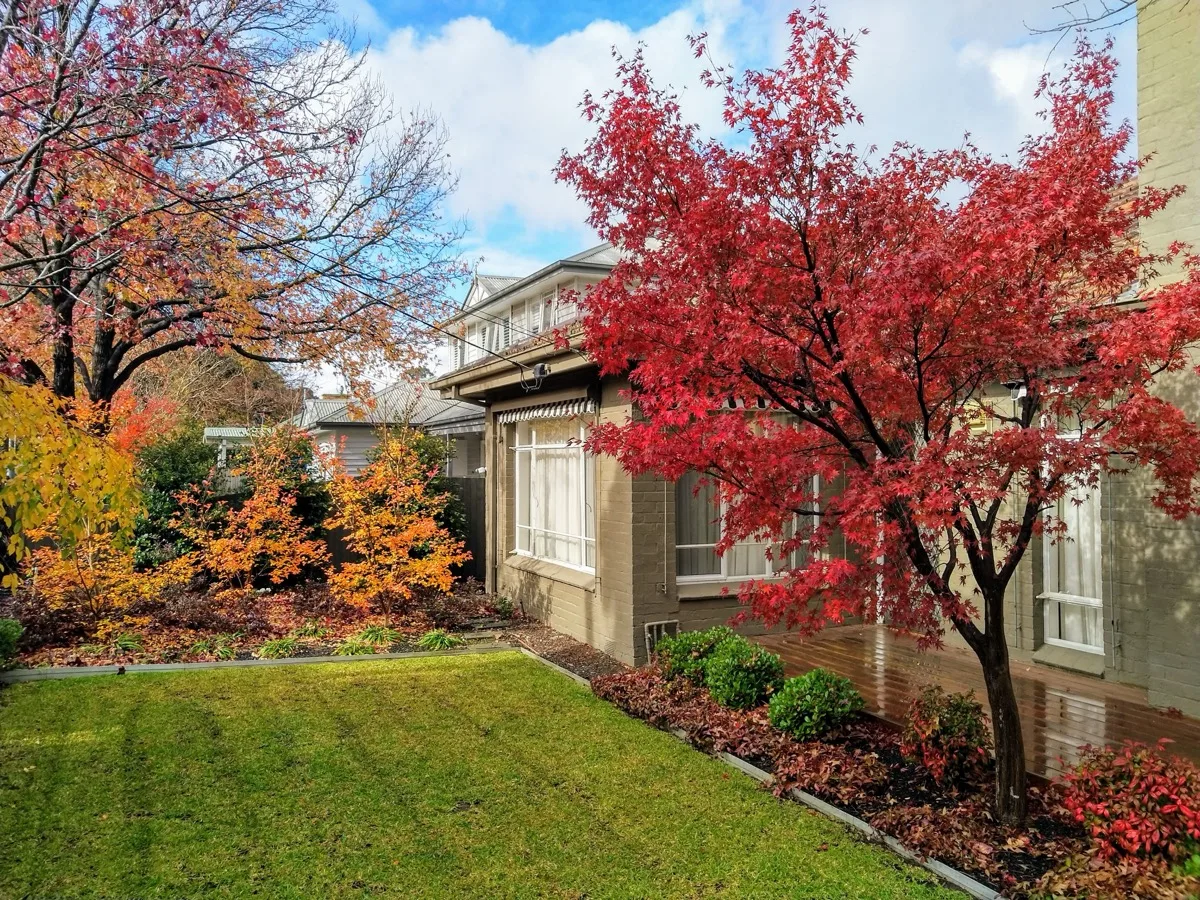
Mixed borders, the most common style I see across the eastern suburbs, sit somewhere in between. They combine structure with relaxed planting and typically work well on monthly maintenance with a seasonal step-up to fortnightly through spring and summer.
The Honest Answer
After 27 years, my honest recommendation is this: start with monthly garden maintenance and see how the garden responds. Most gardens settle beautifully into a monthly rhythm, and trying to predict the right frequency before you've established a working relationship with your garden and your maintenance team is guesswork.
The gardens I'm proudest of managing are the ones where we've adjusted the approach over time, responding to how the garden actually grows rather than imposing a rigid schedule from day one. Some have moved from monthly to fortnightly as the owners planted more intensively. Others have gone the other direction as native plantings matured and the garden found its own rhythm.
The right frequency is the one that keeps your garden healthy, your expectations met, and the relationship between you and your outdoor space genuinely enjoyable. To understand what garden maintenance costs, see our complete pricing guide. Everything else is detail.
Need Help With Your Garden?
Ready to put this advice into action?
Our diploma-qualified horticulturist and experienced team can help bring your garden vision to life. Book a free consultation to discuss your needs.
No pressure. No obligation. Just a conversation about your garden.