
Service Guides
What Does a Garden Maintenance Service Include? (Complete Breakdown)
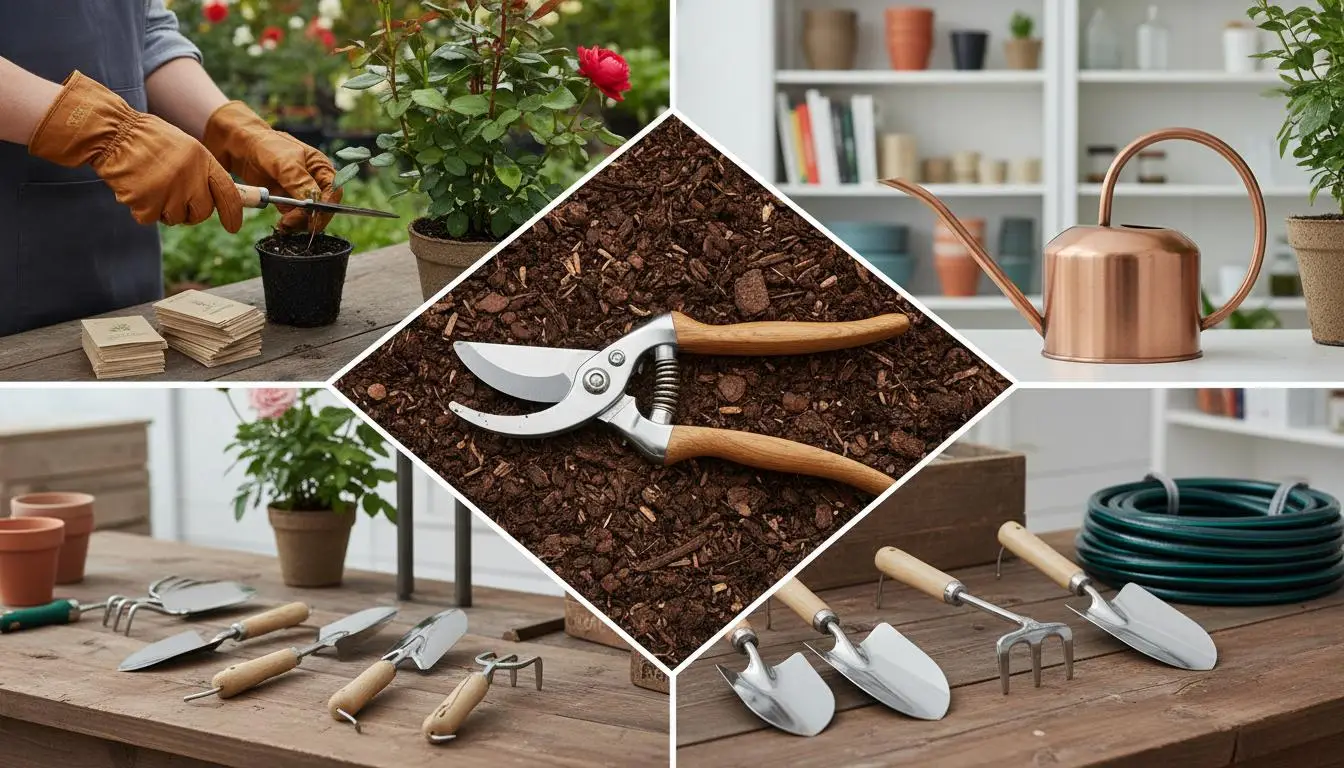
Complete breakdown of what professional garden maintenance services include. Understand exactly what tasks are performed and what results you can expect.
Introduction
A professional garden maintenance service includes regular weeding, pruning, lawn care, seasonal feeding, pest monitoring, and green waste removal, managed on a structured seasonal schedule.
That's the list. But a list doesn't really capture what good maintenance looks like in practice. In 27 years of managing gardens across Melbourne's eastern suburbs, I've found that the difference between adequate maintenance and genuinely good maintenance isn't about doing more tasks. It's about doing the right tasks at the right time, with enough knowledge to understand why each one matters.
Let me walk you through what a typical maintenance visit actually looks like, and then break down the seasonal work that keeps a garden improving year after year.
Regular Monthly Tasks
What happens during a typical visit?
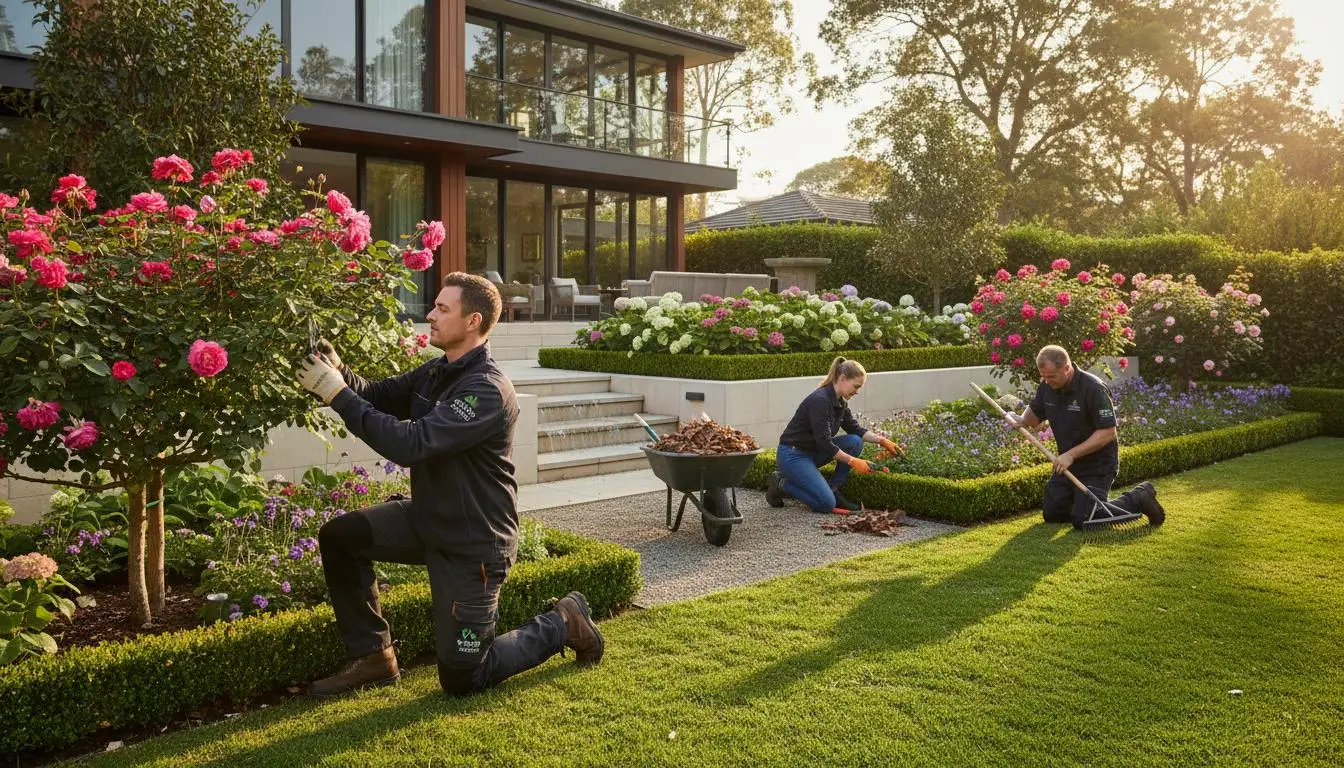
Here's what a visit looks like from start to finish. We arrive, unload equipment, and the first thing I do, before touching a tool, is walk the entire garden. This five-minute walk-through is probably the most valuable part of the visit. I'm looking for what's changed since last time: new pest activity, plants that are stressed, irrigation issues, storm damage, anything that's shifted. The walk-through determines the priorities for that day.
Then the work begins, in order of priority:
Weeding: Efficient and effective weed control for all garden beds and hard surfaces, following the principles outlined in our weed control guide. This means hand-weeding for precision, full root removal to prevent regrowth (pulling the top off a weed is worse than doing nothing, as it just makes the root system stronger), path and driveway edge weeding, and identification of invasive species before they establish. The reason weeding comes first is practical: it gives you clear sight of the beds for everything that follows.
Pruning and Deadheading: Maintaining plant shape and encouraging flowering. This includes deadheading spent flowers (removing them redirects the plant's energy from seed production back into growth and more flowers), light pruning for shape, removal of dead or damaged growth, and seasonal pruning as required. Every cut has a reason. I don't prune for the sake of it. I prune because a plant needs shaping, or airflow, or light penetration, or because something is diseased.
Lawn Care: Keeping lawns neat and healthy. Edging along paths and beds (this single task transforms the appearance of a garden more than almost anything else), trimming around obstacles, weed control in lawn areas, and advice on mowing height and watering schedules between visits.
General Tidy: The finishing touches that make the difference between "maintained" and "cared for." Blowing paths and driveways clean, removing fallen leaves and debris, tidying garden edges, and checking and noting any issues for the post-visit update.
Finally: clean-up, equipment packed away, and a message to the client summarising what was done, what was noticed, and what's planned for next time. The garden should look noticeably better when we leave than when we arrived, every single visit.
Seasonal Tasks
How does maintenance change through the year?
The monthly tasks are the foundation, but the real horticultural value comes from seasonal work that's timed to Melbourne's climate:
Spring (September-November):
- Major fertilising program: this is when plants are actively growing and can actually use the nutrients
- New planting and dividing perennials
- Spring pruning of winter-flowering shrubs (after they've finished blooming)
- Mulch refresh where needed
- Pest monitoring begins in earnest: spring warmth brings aphids, scale, and caterpillars
- Deep watering guidance and irrigation checks
- Heat stress monitoring: catching problems before a 40-degree day, not after
- Continued deadheading to extend flowering
- Summer weed control (they grow fast in warmth)
- Shade protection advice for vulnerable plants
- Autumn fertilising: different formulation to spring, lower nitrogen, higher potassium
- Preparation for winter dormancy
- Final pruning and hedge trimming
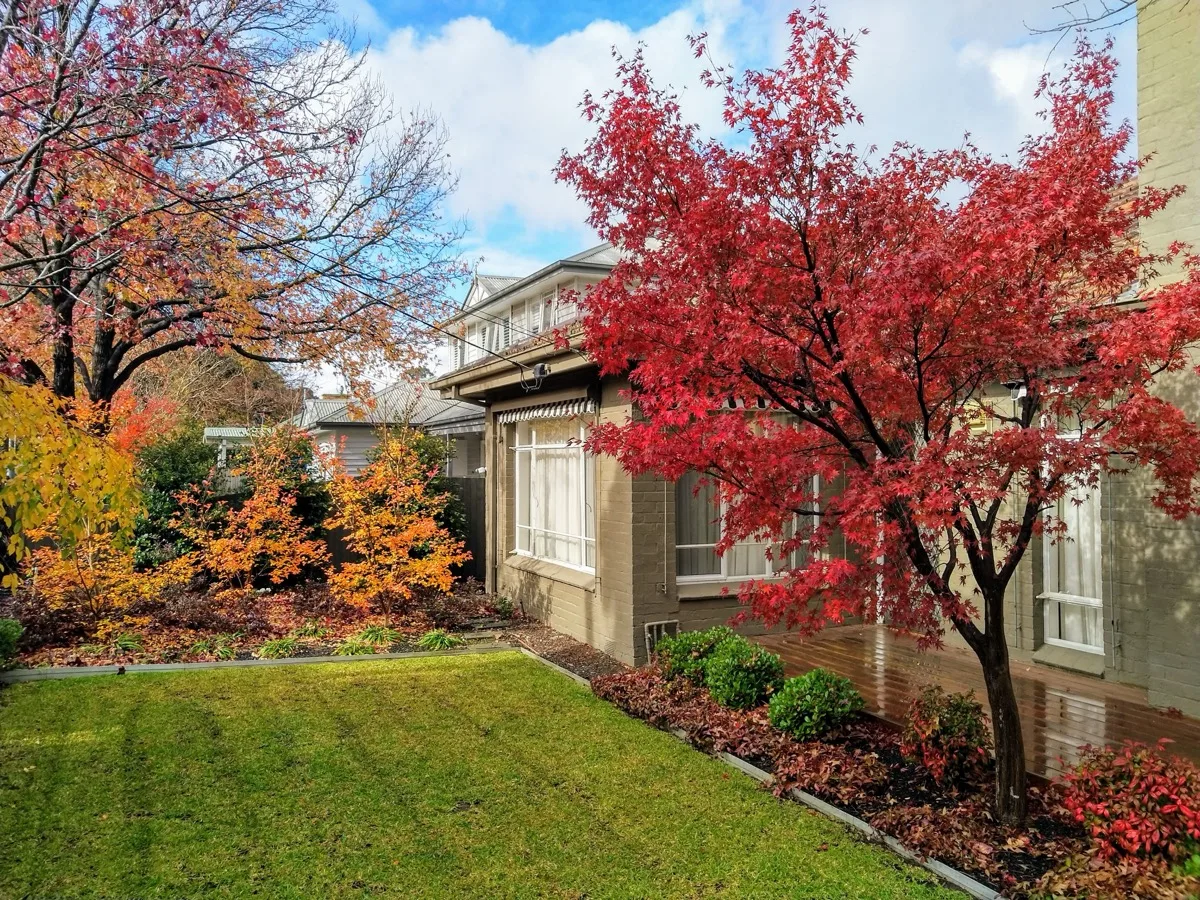
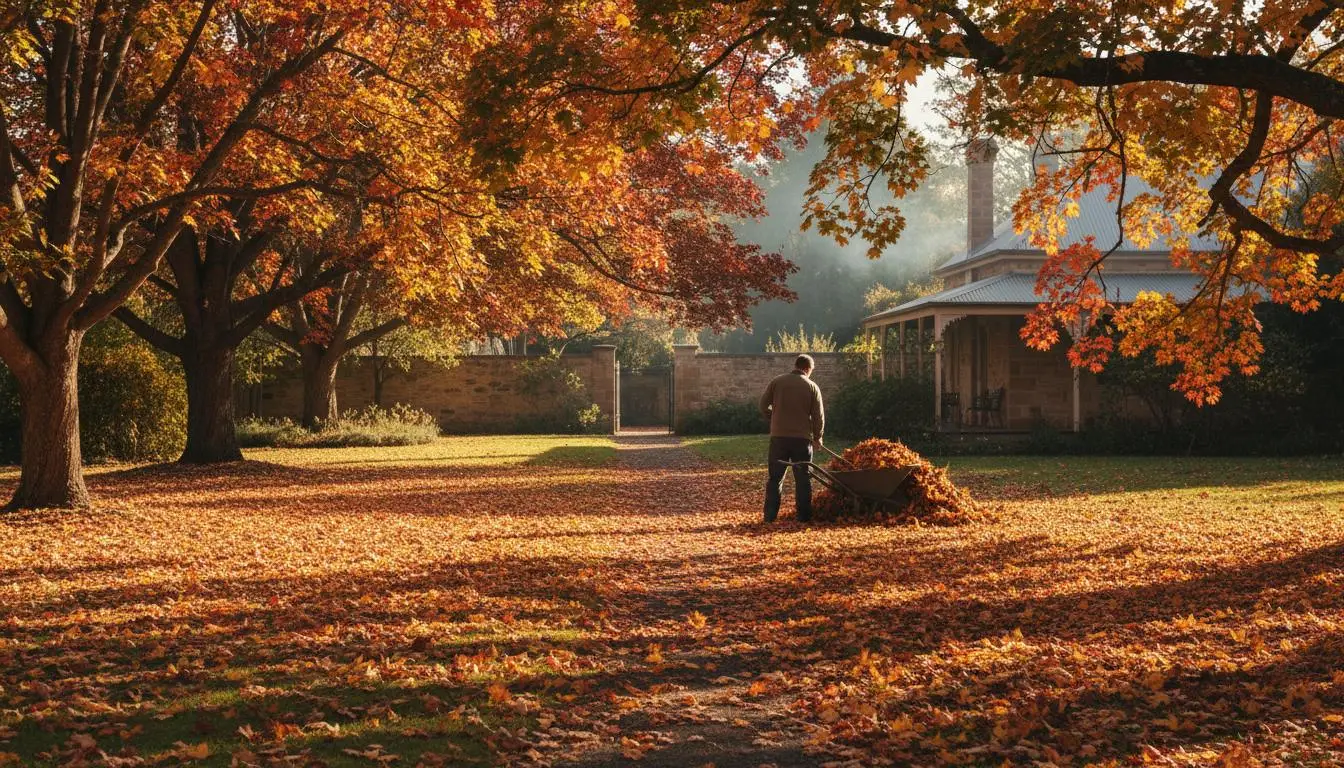
- Leaf removal (significant in suburbs with mature deciduous trees)
- Bulb planting for spring display
- Major rose pruning (July is ideal, per Rose Society of Victoria recommendations)
- Deciduous tree and shrub pruning while structure is visible
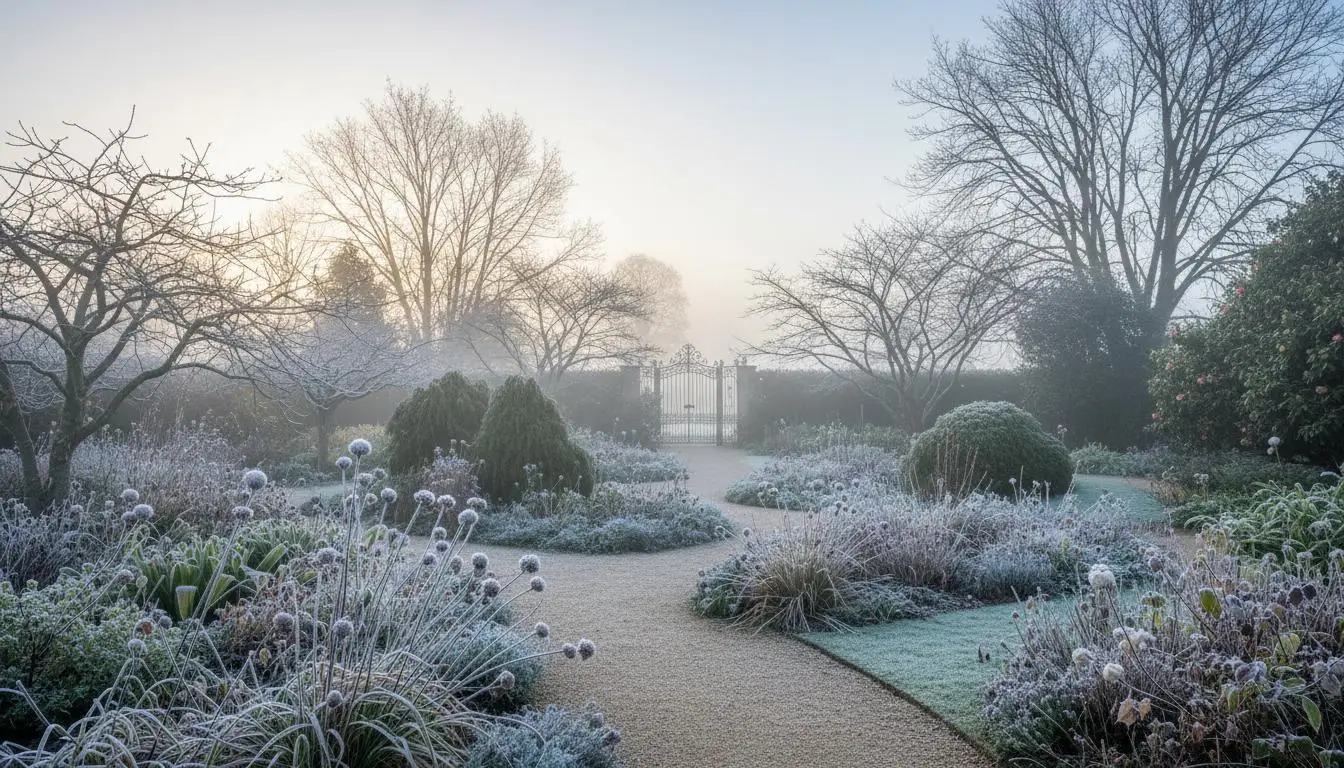
- Frost protection for tender plants
- Planning for spring: reviewing what's working and what needs changing
- Tool maintenance and sharpening
What's Not Included
What falls outside regular maintenance?
Being transparent about this matters. Regular maintenance covers the ongoing care of an established garden. These items are additional:
Major Works: Tree removal or major structural pruning (arborist-level work), hard landscaping, irrigation installation, retaining walls, paving or concreting.
Materials: Plants and seedlings, soil and compost, mulch beyond the annual application included in the program, additional fertiliser, pots and containers.
Specialist Services: Targeted pest and disease treatment programs, laboratory soil testing, arborist reports, landscape design, pool maintenance.
These aren't hidden exclusions: they're discussed during the initial consultation so there are no surprises. When something additional is needed, we flag it and quote before proceeding.
Service Standards
What standard of work should you expect?
This matters more than the task list. Two services can offer the same list of tasks and deliver completely different results.
Horticultural Knowledge:
- Diploma-qualified horticulturist leading every job, not a labourer with a mower
- Best practice techniques based on plant science, not habit
- Plant health as the primary focus, not just appearance
- Sustainable methods that build soil health over time
- Punctual arrivals within the scheduled window
- Respectful treatment of your property: we're guests in your space
- Clean and tidy work with no mess left behind
- Gates secured, pets accounted for, property left as we found it (except the garden, which should look better)
- Regular quality checks across the team
- Client feedback genuinely welcomed and acted on
- Issues addressed promptly, not deferred to the next visit
- If something goes wrong, we own it and fix it
Communication & Reporting
How do you know what's been done?
This is something I feel strongly about. A maintenance service that arrives, works, and leaves without communication is only doing half the job. You should know what happened in your garden, what was noticed, and what's coming next.
After Each Visit:
Every client receives a post-visit update including:
- Summary of work completed
- Plants treated or pruned and why
- Issues identified: pest activity, plant health concerns, irrigation problems
- Recommendations for the next visit
- Photos where relevant, particularly for problems or progress
More detailed updates at seasonal transitions covering:
- Overall garden health assessment
- Seasonal priorities for the coming months
- Long-term recommendations for improvement
- Planning for upcoming major tasks
A year-end discussion covering:
- Garden progress over the twelve months
- What worked well and what could improve
- Plans and priorities for next year
- Any changes to the service program
Customising Your Service
Can the service be tailored to your garden?
Every garden is different, and a good maintenance program reflects that.
Focus Areas:
- Rose garden specialist care (timing, varieties, disease management)
- Vegetable garden maintenance
- Native garden expertise (different pruning approach, different soil needs)
- Formal garden precision (hedging, symmetry, clean lines)
- Monthly (standard, suits most established gardens)
- Fortnightly (intensive, for larger gardens or high-maintenance plantings)
- Quarterly (basic, minimal intervention)
- Seasonal (specific major tasks only)
- Pool area maintenance
- Courtyard gardens
- Balcony and container plant care
- Strata common areas
Conclusion
Consistency compounds, and deciding how often your garden needs maintenance is the first step. A garden maintained well for twelve months looks dramatically different from one that received the same number of hours in sporadic bursts. Each visit builds on the last, the weeds never get ahead, the pruning stays on schedule, problems are caught early, and the soil improves steadily. Over time, the garden requires less intervention, not more. That's the real measure of good maintenance: a garden that's getting easier to care for, not harder.
Need Help With Your Garden?
Ready to put this advice into action?
Our diploma-qualified horticulturist and experienced team can help bring your garden vision to life. Book a free consultation to discuss your needs.
No pressure. No obligation. Just a conversation about your garden.